Termites can cause extensive damage while remaining hidden from view. By the time obvious structural damage becomes visible, a colony may already have been active inside timber, wall cavities, flooring or other concealed areas.
For Melbourne homeowners, knowing the early signs of termites can make an important difference.
Termites feed on cellulose-based materials such as wood and require moisture to maintain the conditions within their colonies. Victorian health guidance notes that termites need both food and water to survive, and recommends reducing access to these resources as part of termite-risk reduction.
The challenge is that termites do not always look like the pest people expect to see. You may never see a large group of termites walking across your floor. Instead, the first warning signs could be discarded wings, damaged timber, mud-like shelter tubes, hollow-sounding wood or doors that suddenly become difficult to open.
In this guide, MelBuzz™ Pest Control explains 11 warning signs of termite activity, what each sign may indicate, and when it is worth arranging a professional termite inspection in Melbourne.

1. Discarded Termite Wings Around Windows and Doors
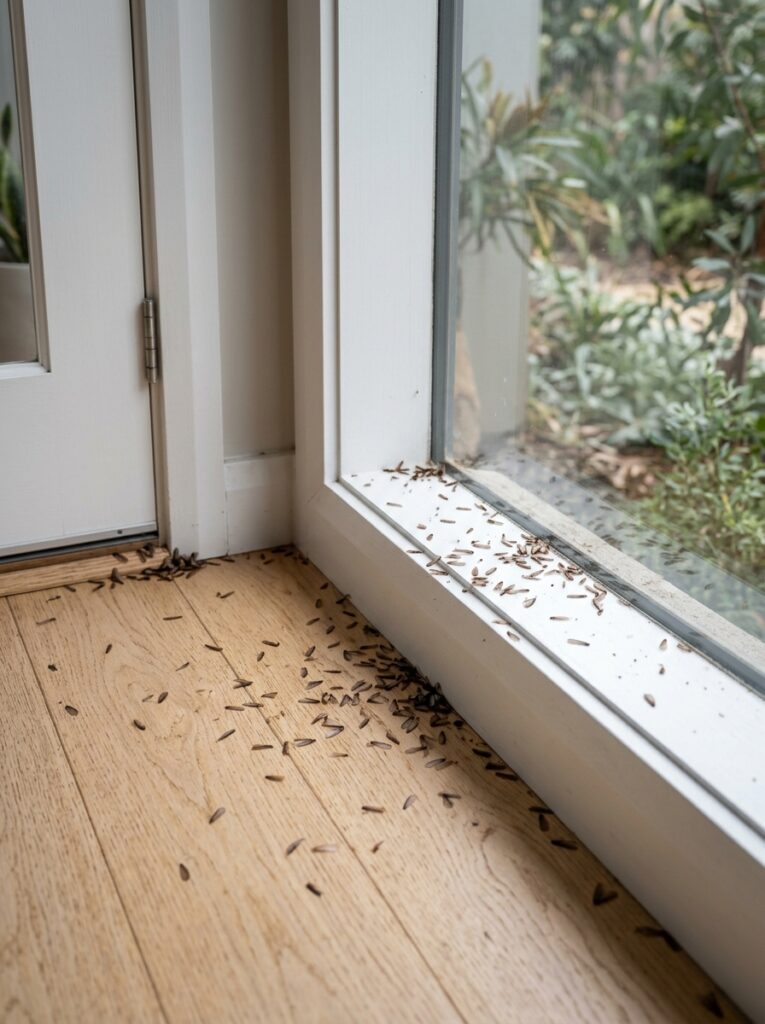
One of the most recognisable signs of termite activity is finding piles of discarded wings.
Winged termites, known as alates, leave established colonies during a colonising flight. After landing, they shed their wings before attempting to establish a new colony.
Victorian Department of Health guidance specifically identifies piles of shed wings as a good indication of termite presence.
You may discover wings:
Around window sills
Near doors
On floors
Around light sources
Near outdoor lighting
Around verandas
Inside roof spaces
Around areas where termites may have entered
The wings are generally similar in size and shape, which helps distinguish them from many other flying insects.
What should you do?
Do not immediately clean everything away if you suspect termites.
Take photographs and note exactly where you found the wings.
The location can provide useful information during an inspection.
2. Hollow-Sounding or Damaged Timber
Another important warning sign is timber that sounds hollow when lightly tapped.
Termites consume wood from within, meaning the outside surface can sometimes remain relatively intact while internal sections have already been damaged.
Look carefully at:
Door frames
Window frames
Skirting boards
Floorboards
Timber supports
Decking
Pergolas
Wooden stairs
Structural timber
Timber around wet areas
Damaged timber may also become soft, brittle or unusually thin.
However, hollow-sounding wood does not automatically mean termites. Timber can deteriorate because of moisture, rot or other causes.
That is why the condition should be assessed in context.

3. Mud Tubes or Shelter Tubes on Walls
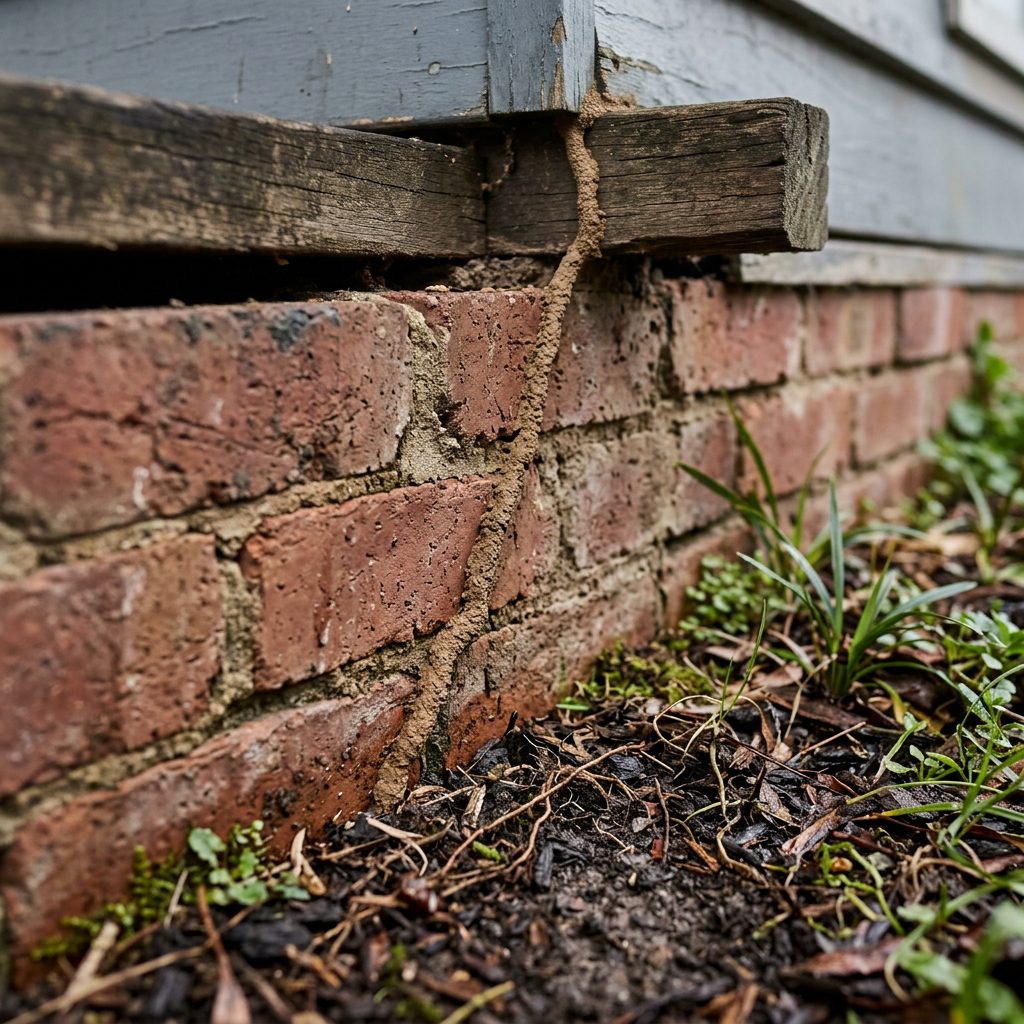
Finding narrow mud-like tubes on walls, foundations, timber or other structures can be a significant termite warning sign.
Termites need controlled humidity and moisture. Their tunnels allow them to travel while maintaining the environmental conditions required by the colony.
Victorian guidance explains that termite nests and tunnels are maintained at high humidity, with moisture coming from sources including soil, leaking plumbing and decaying timber.
Shelter tubes may appear:
Along foundations
On brickwork
Around concrete
Near timber structures
Under floors
Around service penetrations
Between soil and timber
If you discover a suspicious tube, avoid immediately destroying it.
A pest technician may be able to use the location and remaining material as part of the inspection.
4. Doors or Windows Suddenly Become Difficult to Open
A door that suddenly sticks may seem like a simple carpentry or seasonal humidity issue.
Sometimes it is.
But changes in doors, windows and frames can also deserve investigation when combined with other potential termite indicators.
Termite-related timber damage or changes around structural components may cause:
Doors to stick
Windows to become difficult to close
Frames to appear distorted
Floorboards to change
Timber joints to weaken
Do not assume that a difficult door automatically means termites.
Instead, look for multiple signs occurring together.

Changes in timber appearance can also indicate a potential problem.
Inspect areas where timber appears:
Cracked
Blistered
Bubbling
Distorted
Uneven
Soft
Damaged internally
Paint or surface finishes may sometimes hide underlying deterioration.
Pay particular attention to timber located near moisture sources, foundations and areas with limited visibility.
Remember that moisture damage and fungal decay can create similar symptoms, so professional assessment may be necessary to determine the cause.

6. Tiny Holes or Surface Damage in Timber
Small holes in timber can have several possible causes, including wood-boring insects and other forms of deterioration.
That means holes alone should not be used as proof of termites.
However, unexplained holes combined with other indicators deserve attention.
Check:
Timber flooring
Door frames
Window frames
Outdoor decking
Garden structures
Pergolas
Structural timber
Stored timber
Photograph unusual damage before repairing or replacing the timber.
A professional inspection can help determine whether the damage is active, historical or caused by another pest.

7. Clicking or Rustling Sounds Inside Walls
Some homeowners report unusual clicking, tapping or rustling sounds coming from walls, ceilings or timber structures.
Sounds alone are not enough to diagnose termites because rodents, building movement, plumbing and other sources can create similar noises.
However, unexplained sounds become more relevant when they occur alongside other warning signs.
For example:
Night-time wall sounds + damaged timber + discarded wings
should prompt further investigation.
Do not cut open walls simply because you hear a sound.
A professional inspection may help determine whether further investigation is warranted.

8. Termites or Insects Emerging From Timber
Actually seeing termites is a strong reason to investigate further.
However, termites are often confused with ants.
Victorian health guidance specifically states that termites are often incorrectly called “white ants”, but termites are not ants.
This distinction matters because different insects require different identification and control approaches.
Winged termites, workers and soldiers can look quite different.
Victorian guidance explains that termites have different castes within the colony, including workers, soldiers and winged reproductive termites.
If you find insects that you suspect may be termites, avoid assuming their identity based only on colour.
Take a clear photograph or retain a sample if it can be done safely, and arrange professional identification.

9. Timber or Garden Materials Touching the Ground
This is slightly different from the signs of an existing infestation.
It is a risk indicator.
Timber stored directly on soil, timber structures contacting the ground, decaying wood and excessive moisture around foundations can create conditions that increase termite risk.
Victoria’s Department of Health recommends avoiding storage of wood directly on soil or under, around or in contact with buildings. It also recommends reducing moisture through improved drainage and fixing leaking plumbing.
Check around:
Firewood piles
Timber retaining structures
Garden edging
Old tree stumps
Wooden decking
Timber posts
Stored building materials
Keep unnecessary timber away from the structure and maintain visibility around inspection areas.

10. Moisture Problems Around Your Property
Moisture is an important part of termite biology.
Termite nests and tunnels require high humidity, and Victorian guidance identifies soil moisture, leaking plumbing and decaying timber as possible sources of moisture.
Look for:
Leaking pipes
Blocked gutters
Poor drainage
Damp subfloors
Water pooling near foundations
Leaking outdoor taps
Wet timber
Excessive garden irrigation
Fixing a leak does not automatically eliminate termites, but reducing unnecessary moisture can help reduce favourable conditions around the property.

11. Repeated Termite Activity or Previous Infestation
If your property has had termites before, don’t assume the risk disappears simply because visible activity stopped.
Termite colonies are complex, and different treatment methods have different purposes.
Victorian guidance notes that correct termite identification is important because understanding the species, habits and colony location helps determine an appropriate control method.
If a property has:
A previous termite history
Previous termite treatment
Older timber structures
Persistent moisture problems
Previous timber damage
Repeated termite sightings
a professional inspection can provide useful information about the current condition of the property.

Where Do Termites Hide?
One reason termite infestations can become serious before homeowners notice them is that termites can operate in concealed environments.
Wall Cavities
Termites can move through concealed sections of buildings while remaining difficult to see.
Subfloor Areas
Poor ventilation, moisture and timber structures can create conditions worth monitoring.
Roof and Structural Timber
Timber components can provide potential food sources.
Beneath Concrete
Some termite species can travel underground before reaching a structure.
Around Plumbing
Leaking plumbing can create additional moisture.
Garden Structures
Retaining walls, timber edging, stumps and other timber structures can provide potential food sources.
This is why simply walking around the living areas of a house may not be enough to determine whether termite activity is present.

Why Termites Can Be Difficult to Detect
The workers are responsible for gathering food and carrying out many of the activities that contribute to timber damage. Victorian guidance states that workers make up the largest caste and are responsible for most of the damage.
A colony can therefore remain active while the homeowner sees very little visible activity.
This is one of the reasons professional inspection is valuable.
The goal is not simply to find an insect.
The goal is to understand:
Where is the activity?
What species may be involved?
How are they accessing the property?
Is the activity current?
What conditions may be supporting it?
What control strategy is appropriate?
What Should You Do If You Find Signs of Termites?
Photograph the evidence
Take clear photographs showing both the close-up detail and the surrounding location.
Record where you found it
Note the room, wall, timber structure or outdoor area.
Avoid unnecessary disturbance
Do not aggressively remove suspicious tubes or damage affected timber before inspection if possible.
Check for additional signs
Look around nearby areas for wings, damaged timber, moisture or additional activity.
Arrange professional inspection
A qualified pest professional can assess whether the evidence is consistent with termite activity.
Does Finding One Termite Mean You Have an Infestation?
Not necessarily.
A single insect or unidentified flying insect does not automatically confirm a termite infestation.
However, finding multiple termites, discarded wings, shelter tubes or clear timber damage should not be ignored.
Professional identification is important because termite treatment should be based on the actual pest problem rather than an assumption.
Victoria’s Department of Health specifically recommends correctly identifying the type of pest termite before beginning treatment because identification can help determine the colony’s habits, location and appropriate control method.

Can You Prevent Termite Problems?
You cannot guarantee that a property will never experience termites, but you can reduce conditions that support termite attack.
Useful preventative measures include:
Keep timber away from soil
Reduce unnecessary moisture
Repair leaking plumbing
Improve drainage
Keep subfloor areas ventilated
Avoid timber-to-ground contact
Keep inspection zones accessible
Remove unnecessary timber debris
Monitor previous problem areas
Arrange professional inspections where appropriate
These recommendations align with Victorian Department of Health advice for reducing termite attack risk.

Professional Termite Inspection Melbourne
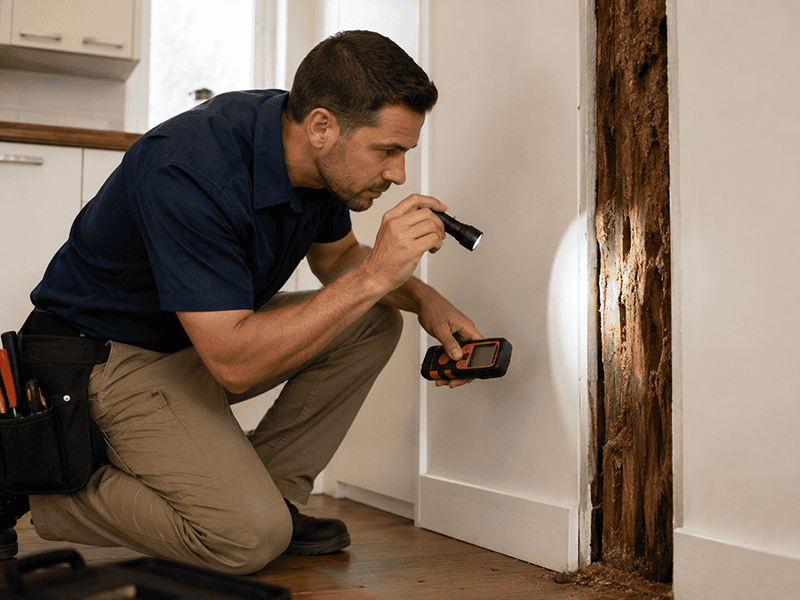
If you have noticed possible termite activity, a professional inspection can help establish what is actually happening.
MelBuzz™ Pest Control provides Termite Management & Control as part of its Melbourne pest management services. Its current service approach includes detailed inspection, treatment and monitoring, with solutions designed around the property’s specific situation.
A professional assessment may consider:
Visible termite activity
Timber condition
Moisture conditions
Entry points
Structural areas
Previous termite history
Potential colony access
Appropriate treatment options
In Victoria, homeowners should also ensure that anyone they hire for paid pest treatment is appropriately licensed. The Victorian Department of Health maintains a searchable register of licensed pest control operators.
Protect Your Melbourne Property This Winter With MelBuzz™
Termites do not always announce themselves.
You may notice a few discarded wings near a window.
You may find a suspicious mud tube near the foundation.
A door may suddenly begin sticking.
Or you may discover timber that sounds hollow when tapped.
None of these signs should automatically be treated as proof of termites, but several signs occurring together deserve professional attention.
Early investigation can give you a clearer understanding of what is happening and whether treatment or ongoing monitoring is appropriate.
Hear a buzz, call MelBuzz™.
MelBuzz™ Pest Control provides professional pest and termite management across Melbourne Metro and surrounding South East suburbs.
signs of termites
Schedule a Professional Termite Inspection with MelBuzz™ Pest Control