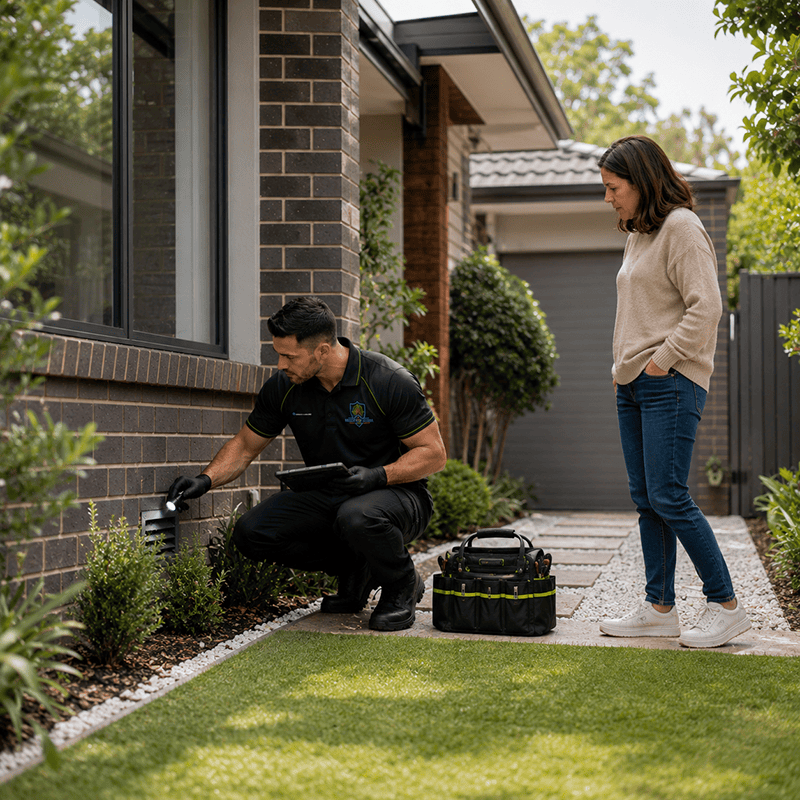
How Often Should You Schedule Pest Control?
7 Expert Tips for Melbourne Homes
How often should you schedule pest control?
There is no single schedule that works for every Melbourne property.
The right pest control frequency depends on factors such as the type of property, pest activity, previous infestations, surrounding environment, moisture levels, landscaping and the level of protection you want to maintain.
Some homeowners only contact a pest controller when they notice an infestation. Others choose preventative pest management to reduce the likelihood of pests becoming an ongoing problem.
The important distinction is that pest control is not always just about treating pests after they appear. Regular inspections, preventative measures and early intervention can all play a role in protecting a property over time.
MelBuzz™ Pest Control’s approach combines inspection, customised treatment, prevention and recommendations designed to provide longer-term protection.
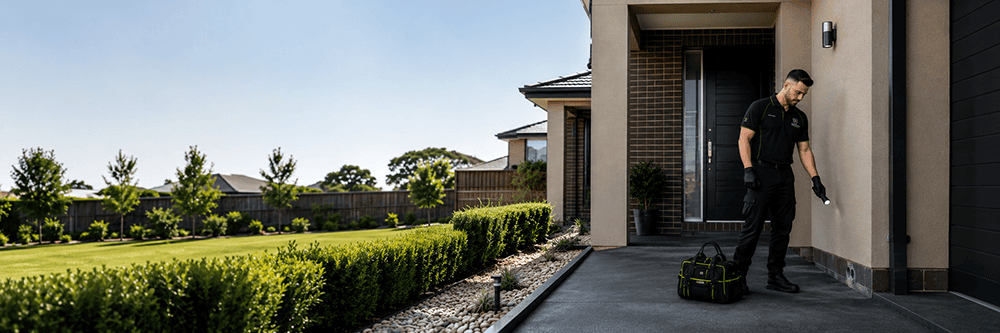
How Often Should You Get Pest Control?
For many homes, an annual professional pest inspection can be a sensible starting point, particularly when there is no current infestation.
However, some properties may benefit from more frequent attention.
For example, more regular pest management may be appropriate when:
The property has had previous infestations.
There are signs of recurring pest activity.
The home has moisture problems.
The property has extensive gardens or vegetation.
There are accessible roof or subfloor spaces.
The property is located in an area with higher pest pressure.
There are children or pets and the homeowner wants proactive monitoring.
The property has known termite risk factors.
A previous treatment included a recommended follow-up schedule.
The key is to base the schedule on risk and property conditions, rather than automatically treating every home on exactly the same timetable.
For homes with recurring pest activity, a general pest control service in Melbourne can help identify the underlying problem and determine an appropriate treatment schedule.
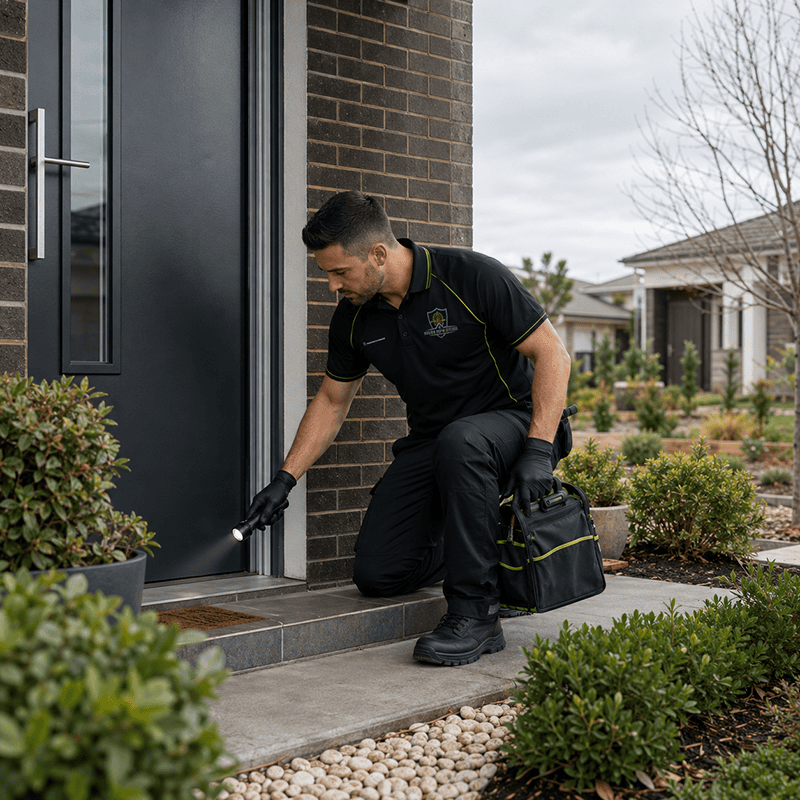
Factors That Determine How Often You Need Pest Control
1. Your Previous Pest History
A home with no history of pest problems may require a different maintenance schedule from a property that has experienced repeated infestations.
If ants, cockroaches, spiders, rodents or other pests keep returning, simply treating the visible activity may not address the reason they are returning.
Repeated activity can be a sign that the property needs a more detailed inspection and preventative strategy.
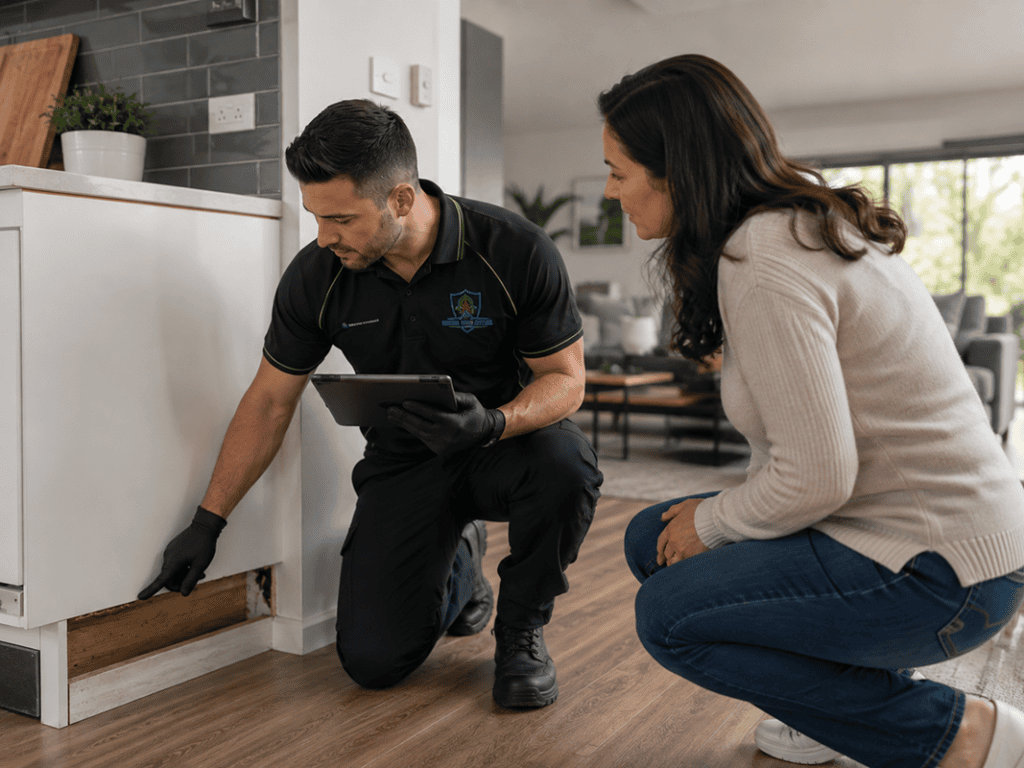
2. The Type of Pest
Different pests have different behaviour, life cycles and risks.
A spider appearing occasionally around an outdoor area is not necessarily the same situation as recurring cockroach activity inside a kitchen.
Termites require particular attention because their activity can remain hidden and may affect timber structures.
MelBuzz currently provides separate management approaches for pests including spiders, ants, fleas, cockroaches, rodents and termites.
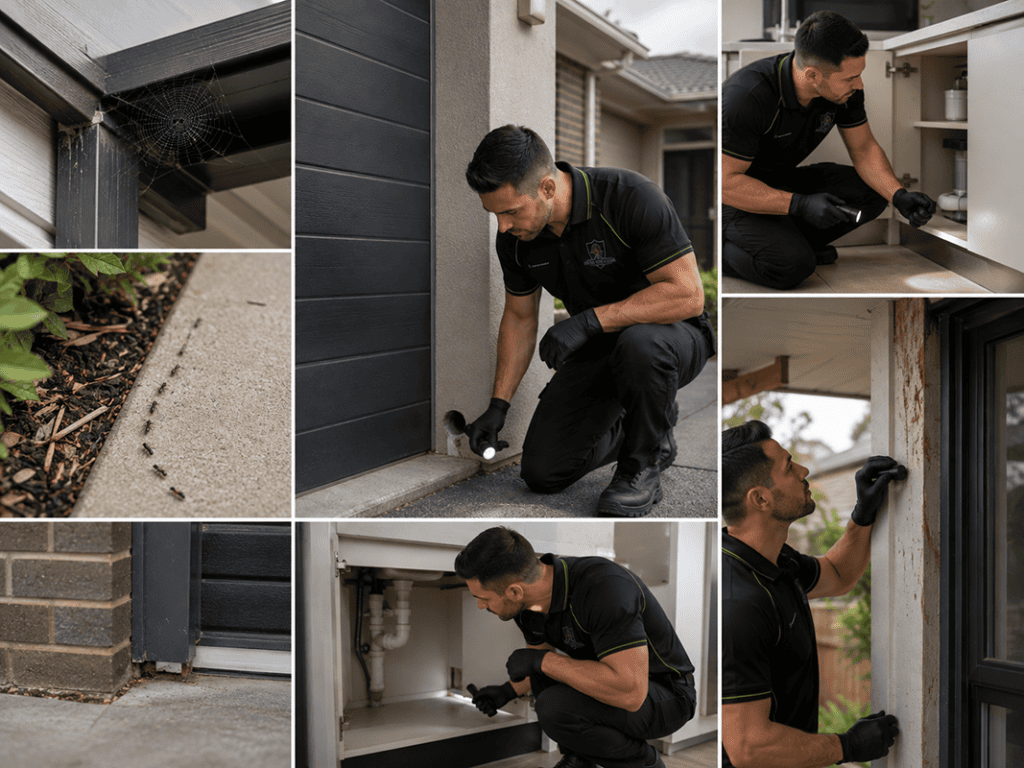
3. Your Property's Location and Environment
Where your property is located can influence pest pressure.
Melbourne homes can have very different environments depending on landscaping, surrounding vegetation, drainage, construction and property age.
A house surrounded by dense garden vegetation may have different pest exposure from a property with limited landscaping.
Likewise, properties with moisture-prone areas can attract certain pests.
This is why pest control frequency should be based on the individual property.
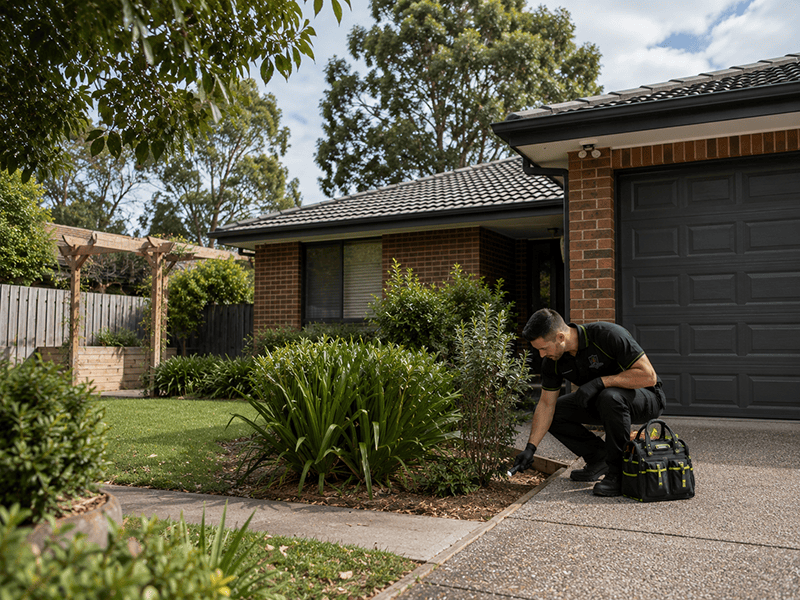
4. Seasonal Pest Activity
Pest activity can change throughout the year.
Different pests become more noticeable under different weather and environmental conditions.
For homeowners, this means pest management should not necessarily be treated as a completely fixed calendar event.
A practical seasonal approach
Spring
As temperatures rise, insect activity can increase. This can be a useful time to inspect entry points, gardens and areas around the property.
Summer
Warmer conditions can increase activity from several common household pests. Outdoor areas can also become more attractive to insects and spiders.
Autumn
Changing temperatures can encourage some pests to seek shelter around buildings.
Winter
Some pests may become less visible outdoors while seeking warmer or protected areas inside buildings.
Important: Seasonal activity varies by pest and property. A professional assessment is more useful than assuming every pest behaves according to the same seasonal pattern.
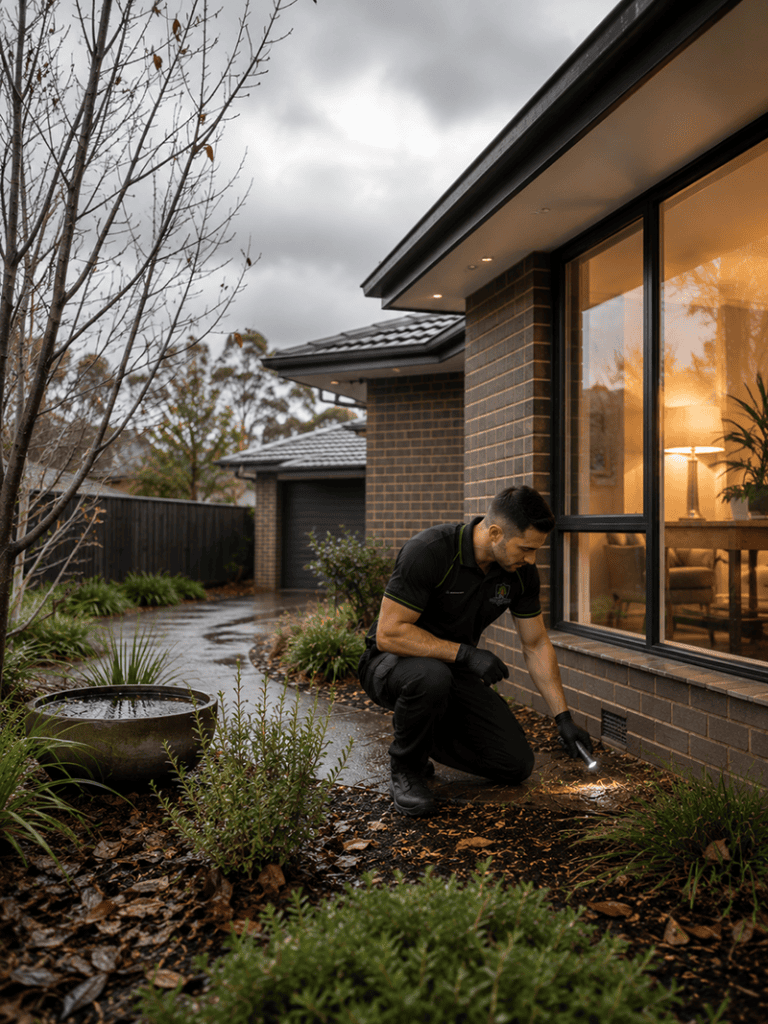
Should Pest Control Be Done Every 3 Months?
Quarterly pest control is sometimes appropriate, but it should not automatically be considered necessary for every property.
A quarterly schedule may be considered when there is:
High pest pressure
Recurring infestations
Commercial activity
Food-related business risks
Previous pest problems
Specific environmental risk
A professional recommendation for ongoing monitoring
For a typical residential property without active pest issues, the appropriate frequency may be different.
The best schedule should be based on risk, pest type and treatment requirements.
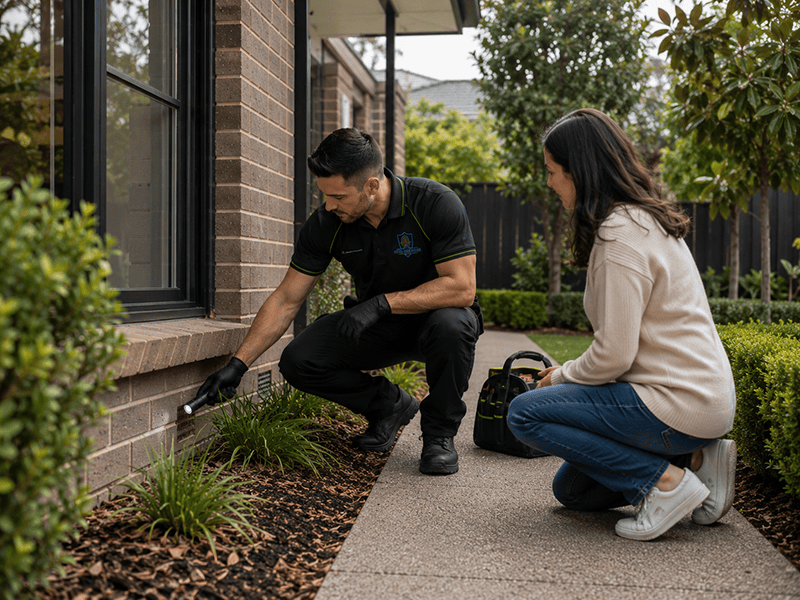
5 Signs You Should Schedule Pest Control Sooner
Increasing pest activity
Seeing more pests than usual can indicate that a population is becoming established.
Pests appearing repeatedly
If you keep treating the same problem and it returns, the underlying source may not have been addressed.
Signs of property damage
Damaged timber, mud tubes or unexplained structural changes should be investigated.
Pest activity in hidden areas
Sounds or signs inside walls, ceilings, roof spaces or subfloors can indicate activity that is not visible.
New pest activity after treatment
If pests return unexpectedly following treatment, professional follow-up may be appropriate.
How Often Should You Schedule a Termite Inspection?
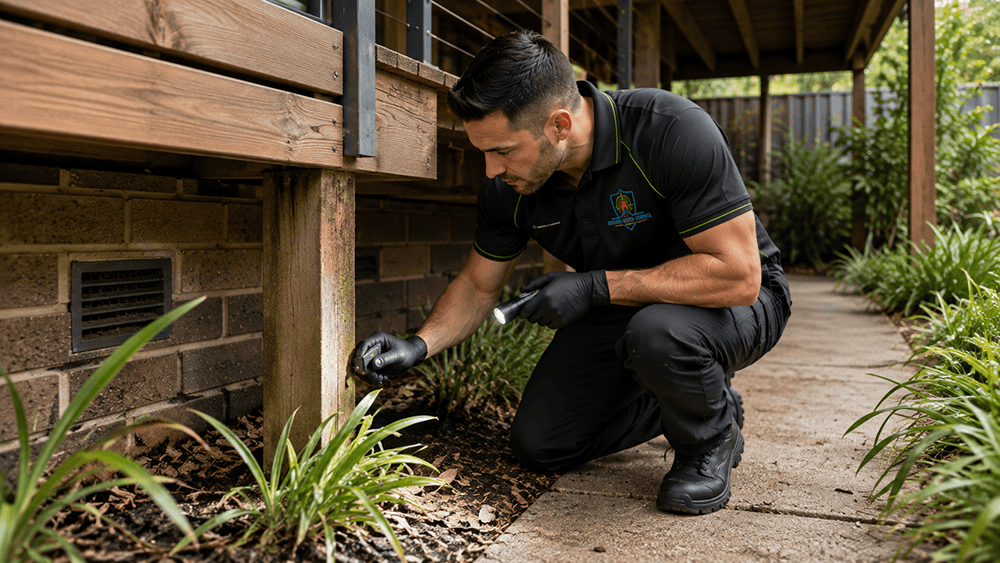
Termite management should be treated separately from routine general pest control.
Termites can remain hidden and may cause damage before homeowners notice obvious signs.
A termite inspection can help identify potential activity, risk areas and conditions around the property that may contribute to termite problems.
The appropriate inspection frequency depends on factors such as:
Previous termite activity
Property construction
Timber exposure
Landscaping
Moisture
Previous treatment
Existing termite management systems
Professional recommendations
Do not promise a universal inspection interval unless MelBuzz’s specific termite warranty or monitoring system specifies one.
How Often Should Rental Properties Have Pest Control?
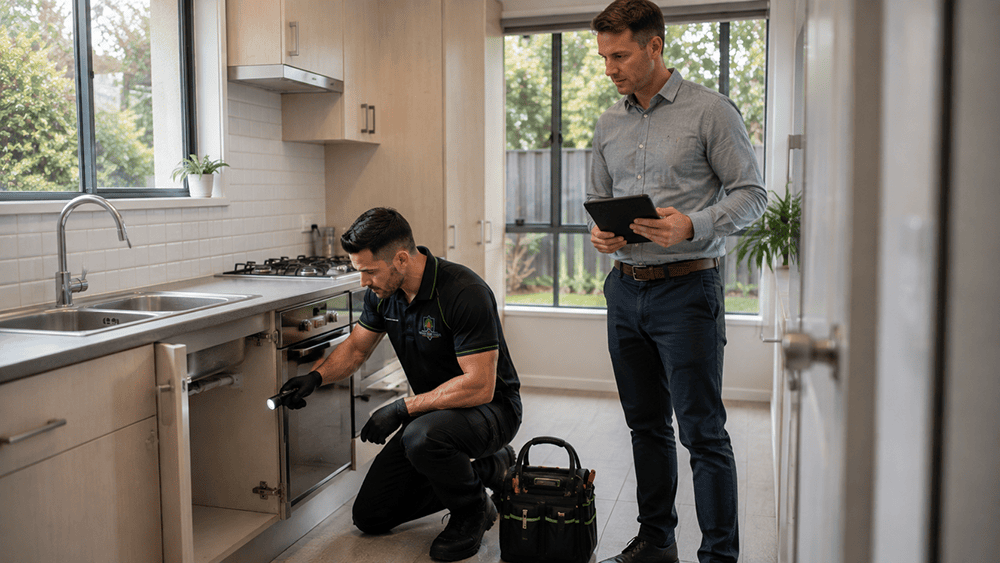
Rental properties can require a different approach because multiple occupants may use the property over time.
Landlords and property managers should consider pest management based on:
Property history
Previous infestations
Building condition
Tenant reports
Moisture problems
Garden conditions
Pest risk associated with the property
If tenants repeatedly report pests, it is better to investigate the underlying cause rather than relying on repeated temporary treatments.
Preventative Pest Control vs Reactive Pest Control
There are two common approaches.
Reactive pest control
This means waiting until a pest problem becomes obvious and then arranging treatment.
Advantages:
Treatment is based on an actual problem.
Suitable for some isolated incidents.
Lower frequency for low-risk properties.
Potential limitation:
The infestation may already be established before treatment begins.
Preventative pest control
This approach focuses on reducing pest risk before a major infestation develops.
It can include:
Regular inspections
Entry-point checks
Moisture management
Garden maintenance
Targeted treatments
Monitoring
Follow-up recommendations
MelBuzz’s stated service process includes inspection, customised planning, treatment and prevention recommendations, which fits well with this broader preventative approach.
8 Simple Things You Can Do Between Professional Treatments
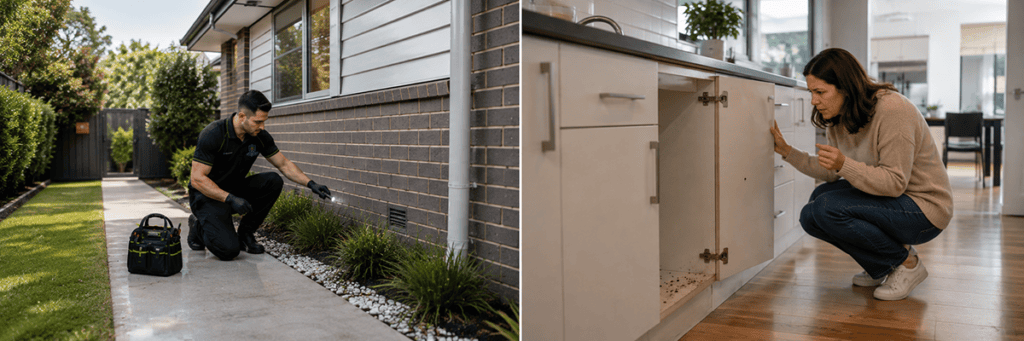
Regular professional pest control works best when combined with good property maintenance.
Seal obvious entry points
Check gaps around doors, windows, pipes and other potential entry areas.
Keep food sealed
Store food in appropriate sealed containers.
Manage moisture
Repair leaking taps, pipes and other moisture sources.
Keep outdoor areas maintained
Trim vegetation away from the building where appropriate.
Reduce clutter
Avoid creating dark, undisturbed harbourage areas around the home.
Keep rubbish controlled
Dispose of household waste appropriately and keep bins maintained.
Monitor unusual activity
Pay attention to changes in pest activity.
Don't ignore recurring signs
If a problem keeps returning, consider professional assessment.
What Happens During a Professional Pest Inspection?
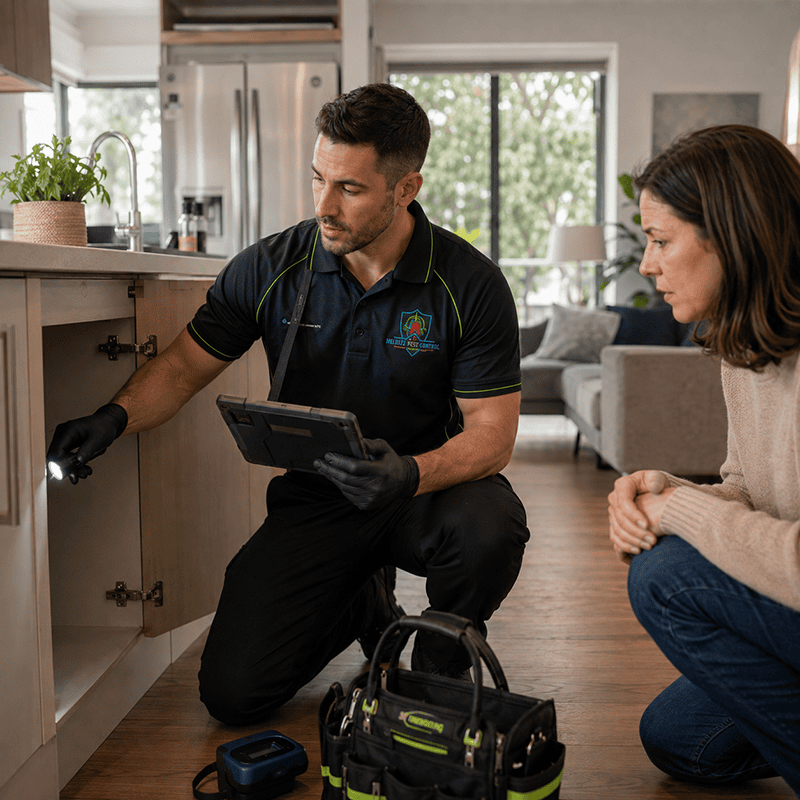
A professional inspection can help determine whether treatment is actually required and what areas may be contributing to pest activity.
Step 1: Property inspection
The technician assesses relevant indoor and outdoor areas.
Step 2: Pest identification
Evidence is reviewed to determine the likely pest issue.
Step 3: Risk assessment
Potential entry points, moisture sources and harbourage areas are considered.
Step 4: Treatment recommendation
A suitable treatment approach can then be recommended based on the findings.
Step 5: Prevention
The homeowner receives practical recommendations to reduce future pest risks.
Does Regular Pest Control Guarantee a Pest-Free Home?
No.
It is important not to make absolute claims.
Even after professional treatment, properties can be exposed to new pests through doors, windows, gardens, deliveries, neighbouring properties and environmental conditions.
The purpose of regular pest management is to reduce pest risk, identify problems earlier and maintain better protection, rather than guarantee that a property will never have pests.
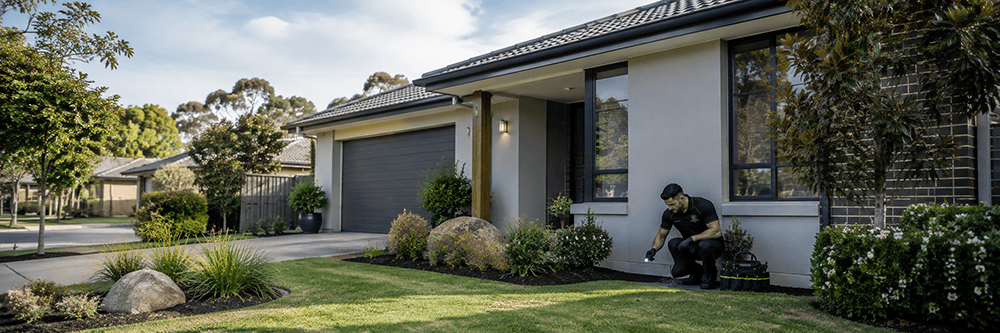
The Right Pest Control Schedule Depends on Your Home
There is no magic number of pest treatments that every Melbourne property needs.
A low-risk home with no history of infestation may require less frequent attention, while a property with recurring pests, moisture issues, extensive landscaping or termite risk may need a more proactive approach.
The best strategy is to understand your property’s risk, monitor for warning signs and arrange professional assessment when necessary.
MelBuzz™ Pest Control provides inspection, treatment and prevention services across Melbourne Metro and surrounding areas, with its published approach focused on tailored pest management and long-term protection.
Don't Wait Until a Small Pest Problem Becomes a Bigger One
Not sure how often your Melbourne property needs pest control?
A professional inspection can help identify current activity, potential risk areas and the most appropriate next step.
Book Your Pest Inspection With MelBuzz™ Pest Control