DIY vs Professional Pest Control: 9 Key Differences Melbourne Homeowners Should Know
Finding ants in the kitchen, spiders around the house or cockroaches in the bathroom can make DIY pest control seem like the easiest solution. A quick trip to the hardware store and an off-the-shelf spray may appear cheaper than hiring a professional.
But is DIY pest control always the best option?
For minor and isolated pest problems, homeowners may be able to handle some situations themselves. However, pests can sometimes hide in places that are difficult to access, reproduce quickly or cause damage before the problem becomes obvious.
The real question is not simply DIY vs professional pest control. It is about understanding the type of pest, the extent of the infestation, the risks involved and whether a temporary treatment will actually solve the underlying problem.
For Melbourne homeowners, choosing the right approach can help protect the property, family, pets and long-term maintenance costs.

DIY pest control can be reasonable when the problem is small, clearly identified and easy to access.
For example, seeing an occasional ant inside the kitchen may not necessarily mean that the property has a major infestation. Similarly, removing spider webs, improving household cleanliness and sealing small gaps can form part of a sensible pest prevention routine.
Some homeowners may use commercially available pest products according to their labels and instructions.
However, DIY treatment becomes more complicated when the pest problem keeps returning.
DIY may be suitable when:
You have identified the pest correctly.
The activity is minor or occasional.
The affected area is easy to access.
There are no signs of structural damage.
The problem is not spreading.
You can safely follow the product instructions.
There are no significant concerns involving children or pets.
The important point is that DIY treatment should not simply focus on killing visible insects. Understanding why pests are entering the property is often just as important.

Professional Pest Control: When Is It the Better Choice?
Professional pest control becomes more appropriate when the problem is persistent, widespread, difficult to identify or potentially damaging to the property.
A professional technician can inspect areas that homeowners may overlook and identify conditions that could be contributing to pest activity.
Depending on the pest, this may include checking:
Roof spaces
Subfloor areas
Wall cavities
Gardens
External entry points
Moisture-prone areas
Timber structures
Plumbing areas
Cracks and gaps
Areas around the property’s foundations
Professional treatment can also involve a more structured approach rather than simply applying a product to visible pests.
Professional cockroach gel application as part of a targeted pest management approach.
9 Important Differences Between DIY and Professional Pest Control Melbourne
Pest Identification
One of the biggest differences is knowing exactly what pest you are dealing with. Different pests can require completely different treatment approaches. Ants, termites, spiders, cockroaches, rodents and fleas do not behave in the same way. A homeowner may see an insect and assume they know what it is, while a professional can assess the evidence and determine the likely pest and activity pattern.
Finding the Source of the Problem
DIY products often concentrate on visible pests. The source may be somewhere else. For example, insects could be entering through gaps, moisture may be attracting pests, or an infestation may be established in an area that is not immediately visible. Professional inspection focuses on identifying potential harbourage areas and entry points.
Access to Hidden Areas
Some pest activity happens behind walls, underneath floors, inside roof spaces or around structural areas. These locations can be difficult for homeowners to inspect safely. A professional pest technician has experience assessing these areas and determining whether further investigation or treatment is required.
Treatment Strategy
DIY pest control is usually based around products available to consumers. Professional pest control can involve a broader treatment strategy based on the pest, property and level of activity. This may include targeted treatment, monitoring, preventative recommendations and follow-up inspections where appropriate. The goal should not simply be to eliminate what you can see. It should be to address the conditions that allow the pest problem to continue.
Time and Convenience
DIY treatment can seem convenient because you can start immediately. But repeated treatments can take time, particularly when the source of the infestation has not been identified. A professional service can save homeowners time by combining inspection, assessment and treatment into a structured process.
Safety Considerations
Pest control products need to be handled responsibly. Homeowners should always read and follow the product label, including directions relating to application, storage and precautions. Professional technicians are trained to use pest management products and equipment appropriately within the scope of their work. If you are unsure about how a pest product should be used, seeking professional advice is preferable to guessing.
Recurring Infestations
A major warning sign is when the same pest problem keeps returning. If you spray cockroaches today and start seeing them again a few days later, the visible insects may not represent the entire problem. Recurring activity deserves further investigation. This is particularly important for pests that can establish themselves in hidden areas or reproduce rapidly.
Property Damage
Some pests are more than a nuisance. Certain insects can damage timber or other parts of a property. Termites are a particularly important example because their activity can remain hidden while affecting timber structures. If you notice signs such as damaged timber, mud tubes, discarded wings or other suspicious activity, professional inspection should be considered rather than relying only on surface treatment.
Long-Term Prevention
Good pest management should not stop at treatment. Professionals can identify conditions that may contribute to future pest activity and recommend preventative improvements.
DIY vs Professional Pest Control: Insights from MelBuzz™ Pest Control
The initial price is one reason homeowners choose DIY pest control.
A consumer product may appear inexpensive compared with booking a professional service.
However, price should not be the only factor.
If a DIY treatment does not resolve the underlying issue, homeowners may end up purchasing several products or repeating treatments.
Professional pest control is an upfront service cost, but the value can include inspection, pest identification, targeted treatment and recommendations for prevention.
The right choice therefore depends on the pest problem rather than simply choosing the cheapest option.

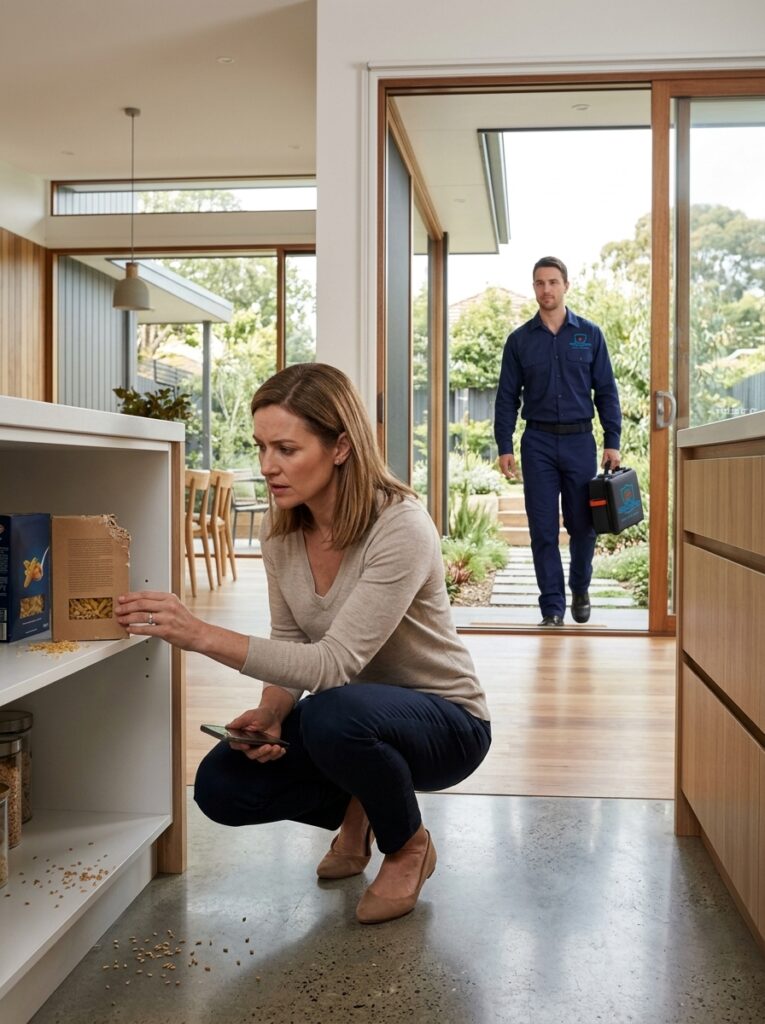
5 Signs You Should Stop DIY Treatment and Call a Professional
The infestation keeps coming back
Repeated pest activity suggests the source may not have been addressed.
You cannot identify the pest
Incorrect identification can lead to ineffective treatment.
You find signs of structural damage
Damaged timber or suspicious structural activity should not be ignored.
The infestation is spreading
Increasing activity across multiple rooms or areas is a strong reason to seek professional assessment.
You discover pests in hidden areas
Activity in roof spaces, wall cavities, subfloors or other inaccessible areas can require professional inspection.
Can DIY Pest Control Prevent Future Infestations?
Yes, homeowners can take several practical steps to reduce pest risks.
Simple pest prevention measures include:
Keep food sealed.
Clean food spills quickly.
Empty rubbish regularly.
Repair leaking pipes.
Improve drainage.
Reduce unnecessary garden debris.
Keep timber away from soil where appropriate.
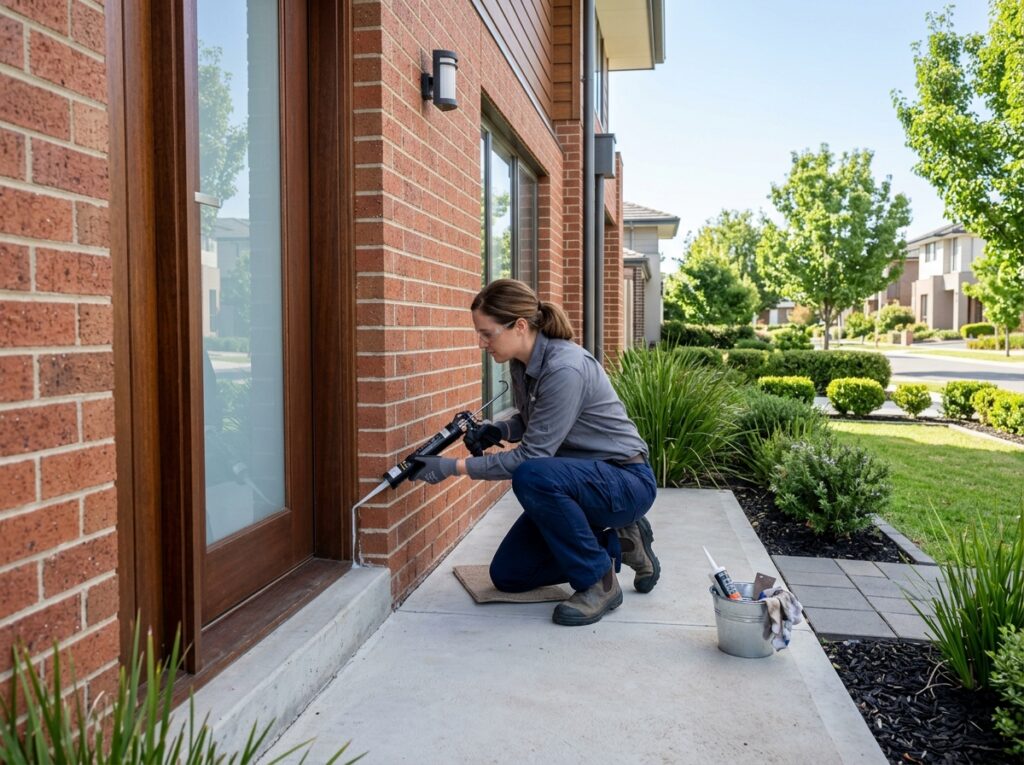
Seal cracks and gaps around the property.
Keep roof and gutter areas maintained.
Check for moisture problems.
Avoid unnecessary clutter around walls and storage areas.
These measures can support professional pest management, but they are not a replacement for professional assessment when an established infestation is present.
Why Melbourne Homes Can Have Different Pest Challenges
Melbourne properties can vary significantly in age, construction, landscaping and surrounding environment.
A modern home may have different pest entry points compared with an older property.
Gardens, timber structures, moisture, roof spaces, subfloor areas and nearby vegetation can all influence pest activity.
That is why a pest control strategy should be based on the actual property rather than applying the same treatment approach to every home.

The Best Approach Is Often Prevention + Professional Assessment
DIY pest prevention and professional pest control do not necessarily need to be competing choices.
Homeowners can take responsibility for everyday prevention while using professional pest control when the situation requires specialist assessment or treatment.
A practical approach is:
Prevent → Inspect → Identify → Treat → Monitor → Prevent
This approach focuses on the underlying problem rather than simply reacting whenever a pest appears.

When Should You Book a Professional Pest Inspection?
If you are unsure whether the problem is minor or significant, an inspection can provide a clearer picture.
A professional assessment can be particularly useful when:
You repeatedly see pests.
You find unexplained damage.
You hear activity inside walls or ceilings.
You discover termite indicators.
You have tried DIY treatment without success.
You are buying or selling a property.
You want to understand potential pest risks around your home.
For Melbourne homeowners, early investigation can be preferable to waiting until a pest problem becomes more difficult or expensive to manage.

Protect Your Melbourne Home Before a Small Pest Problem Becomes a Bigger One
The decision between DIY and professional pest control should ultimately come down to the nature of the problem.
For an occasional pest, basic prevention and appropriate DIY measures may be enough.
But when pests keep returning, spread through the property, become difficult to identify or raise concerns about structural damage, professional assessment can be the more practical option.
At MelBuzz™ Pest Control, the focus should be on understanding the pest problem, identifying potential contributing factors and recommending an appropriate solution for the property.
Seeing More Pests Around Your Melbourne Home?
Don’t wait until a small pest problem becomes harder to manage.
Book a professional pest inspection with MelBuzz™ Pest Control today.