By John Doe, MelBuzz™ Pest Control
Termites pose significant threats to properties in Melbourne, making effective “termite treatment and control” essential for homeowners and businesses alike. Understanding how to manage termite infestations requires a detailed knowledge of barriers, inspection processes, and eradication methods. This guide explores the comprehensive strategies outlined in AS 3660.2, which provides the framework for ensuring the structural integrity and safety of properties against termite damage. Many property owners struggle with the decision of whether to handle termite control on their own or seek professional assistance, as the stakes are high when it comes to property protection and compliance with industry standards. In the following sections, we will delve into the various termite barriers, inspection processes, eradication techniques, and the importance of complying with Australian Standard 3660.2.
For further insights into the principles of structural protection and professional management, refer to the following authoritative guidance on integrated termite control practices.
Integrated Termite Management: Inspections and Barriers
Describes: the Queensland Building Act, how termites infest buildings, prevention, being aware of the risks, regular inspections, precaution, eliminate conditions that favour infestation, termite resistant timbers, physical barriers, chemical barriers, integrated management for prevention and treatment, treating active infestation by professionals. Subterranean termite infestation in buildings., 2013
Barriers
Effective termite management begins with the installation of proper barriers designed to prevent termite intrusion. The two primary types of barriers are chemical and physical barriers, both of which must comply with AS 3660.2 standards. These barriers play a crucial role in establishing a defence against termite damage.
Chemical Barriers
Chemical barriers involve the application of termiticides in the soil or around foundations to create a treated zone that termites cannot cross. They are applied by licensed professionals and must be regularly inspected to ensure their effectiveness remains intact.
Physical Barriers
Physical barriers include stainless steel mesh or crushed granite that physically obstruct termites from accessing properties. These are effective in preventing entry and are particularly advantageous as they do not require ongoing chemical treatments, inherently reducing environmental impact.
Inspection Processes
Regular inspections are crucial to identifying termite activity before it leads to significant damage. The inspection process follows comprehensive guidelines to ensure thoroughness and accuracy.
Comprehensive Inspections
A comprehensive termite inspection involves a detailed assessment of both the interior and exterior of a property. This includes looking for signs of termite activity, such as mud tubes and wood damage. Utilizing advanced detection tools, professionals can conduct “inspections more effectively.”
Importance of Regular Inspections
Regular inspections are recommended at least once a year, but more frequent checks may be necessary if a property is in a high-risk area. Advanced technologies, such as thermal imaging cameras and moisture meters, are often employed to detect hidden infestations.
Eradication Methods
When termite activity is confirmed, effective eradication methods must be applied. The two main systems employed are chemical treatments and baiting systems, each with unique advantages and effectiveness.
Treatment Methodology
Different treatment methodologies can be employed based on the extent of the infestation and the specific type of termites identified. For instance, localized treatments may be sufficient for small infestations, while large infestations often require a comprehensive approach with multiple treatment points.
Professional Treatment
Hiring professionals for termite eradication is recommended due to the complexity and risk associated with handling chemicals and diagnosing infestations accurately. Professional treatments often yield better results compared to DIY methods, ensuring that the “problem is addressed” effectively and safely.
Follow-Up and Prevention
Once an infestation has been treated, follow-up inspections and preventive measures are crucial to avoid future occurrences. Homeowners should engage in regular maintenance and monitoring, including checks for moisture and potential entry points.
Compliance with AS 3660.2
Compliance with the Australian Standard 3660.2 is essential for legal and effective pest management.
Legal Framework and Importance
This standard outlines the necessary practices for barrier construction, chemical application, and inspection. Compliance ensures not only the safety and effectiveness of treatments but also protects property owners from potential legal liabilities related to improper pest management practices.
What Are the Key Steps in the Termite Inspection Process in Melbourne?
Termite inspections are systematic processes involving several key steps to ensure thorough coverage.
- Preparation for Inspections: Before an inspection, property owners should prepare their space by clearing areas around the foundation.
- Conducting the Inspection: Trained professionals will inspect all accessible areas, looking for signs of infestation and structural weaknesses.
- Providing a Comprehensive Report: After the inspection, a detailed report is provided, highlighting findings and recommendations.
How Is a Comprehensive Termite Inspection Conducted?
A comprehensive termite inspection incorporates various techniques to ensure no area is overlooked.
- Utilization of Advanced Detection Tools: Tools like thermal imaging cameras help detect termites hidden behind walls.
- Assessment of Surrounding Conditions: Professionals will evaluate environmental conditions that may contribute to termite activity, such as moisture levels.
- Detailed Documentation: A thorough report will include findings, potential risks, and suggested next steps for property owners.
What Does Termite Inspection Cost Typically Include in Melbourne?
The typical cost of a termite inspection in Melbourne varies based on the size of the property and the thoroughness of the examination. Key components may include:
- Initial Assessment Fee: Covering basic inspection services.
- Detailed Reporting Costs: For comprehensive documentation of findings.
- Follow-Up Inspection Fees: If additional inspections are required based on findings.
How Do AS 3660.2 Compliant Termite Barriers Protect Melbourne Properties?
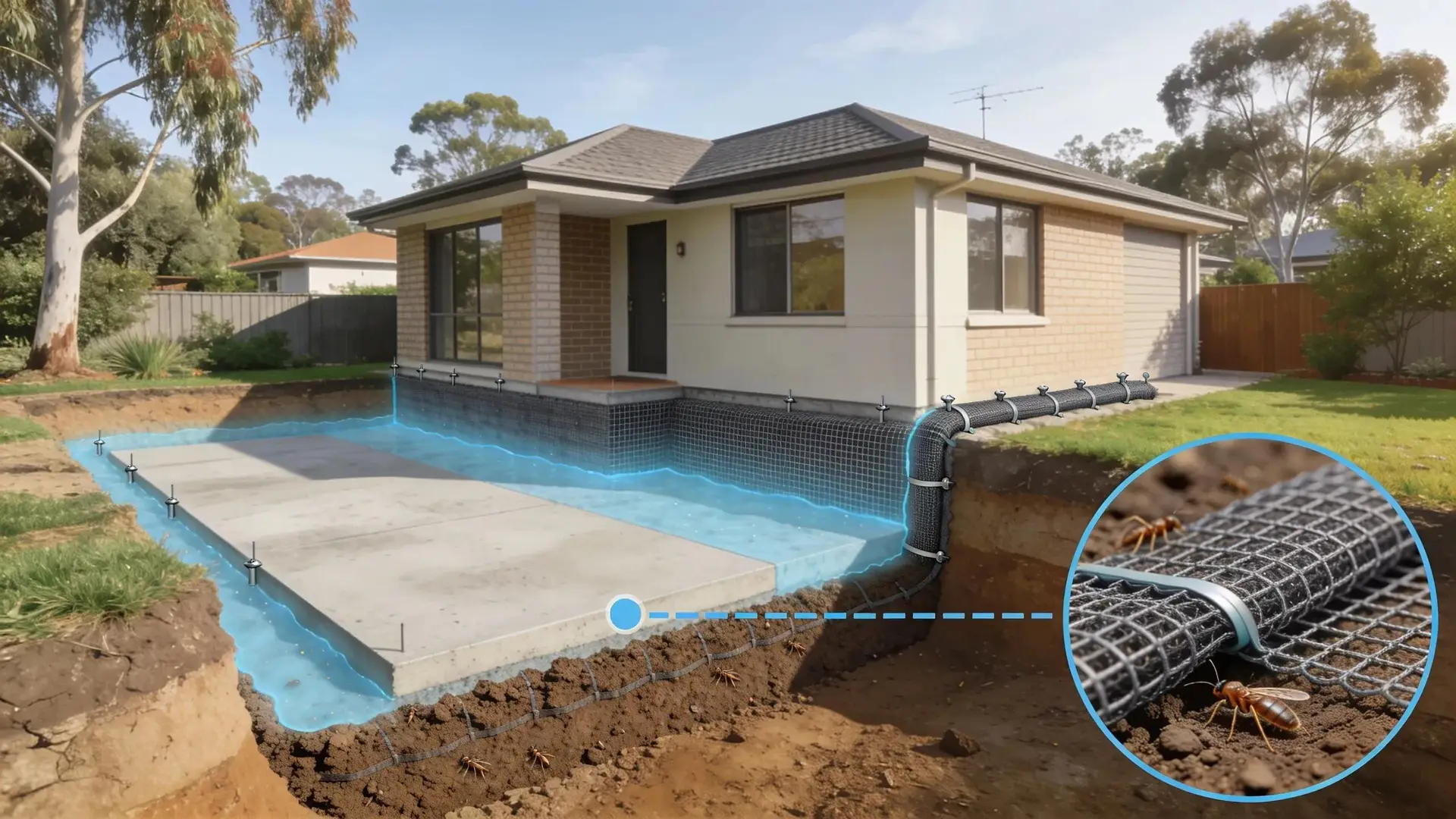
AS 3660.2 compliant barriers are designed to provide a dependable defence against termites while ensuring safety and effectiveness.
- Design and Installation of Barriers: Compliance with design guidelines ensures barriers are optimally placed and installed to deter termite entry.
- Effectiveness of Compliance Standards: Regular reviews and updates to the AS 3660.2 ensure ongoing effectiveness against evolving termite threats.
- Regular Inspections for Barrier Maintenance: Maintaining compliance also involves routine inspections to verify the barriers’ performance.
What Are the Types and Features of AS 3660.2 Termite Barrier Installations?
Understanding the specific types of AS 3660.2 compliant termite barrier installations is critical for property owners.
- Chemical Barriers: Applied directly to the soil, providing an invisible shield.
- Physical Barriers: Constructed from durable materials designed to withstand wear and provide long-lasting protection.
- Installation Requirements: Proper installation by licensed professionals is crucial to ensure compliance and effectiveness.
What Are the Regulatory Requirements for Barrier Compliance in Melbourne?
Barrier compliance standards are governed by specific regulations that ensure effectiveness and safety.
- Applicability of AS 3660.2: All properties must adhere to these regulations to be considered protected.
- Key Technical Standards: Understanding these technical standards is essential for effective barrier installation and maintenance.
- Inspection Protocols and Compliance Verification: Regular inspections ensure barriers remain compliant and functional.
What Are Effective Termite Treatment and Eradication Methods Used in Melbourne?
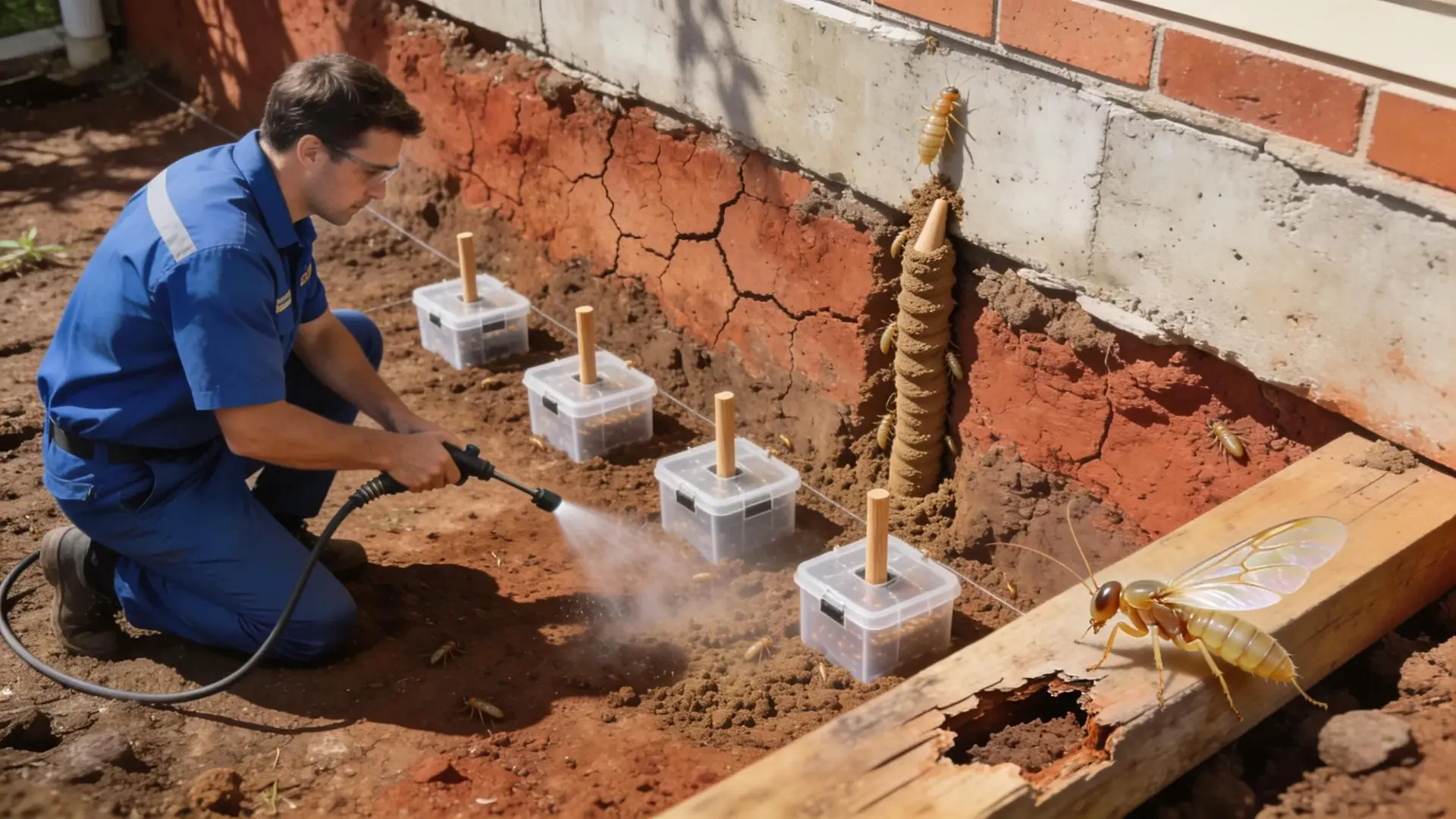
Various treatment and eradication methods are deployed based on the specific circumstances of the infestation.
- General Treatment Overview: Different treatments focus on eliminating existing infestations and preventing future ones.
- Professional Approaches Preferred Over DIY: Engaging professionals helps ensure the effectiveness of treatments and compliance with relevant regulations.
- Consideration of Long-Term Management Strategies: Long-term management often involves regular inspections and maintenance programs.
How Do Termite Treatment Methods Compare: Chemical vs. Bait Systems?
When deciding between chemical treatments and bait systems, it’s essential to consider their effectiveness and implications.
- Effectiveness and Cost of Chemical Treatments: Typically faster-acting but may require more careful handling.
- Advantages and Disadvantages of Bait Systems: Bait systems can be less invasive and safer for families, requiring consistent monitoring to ensure efficacy.
- Environmental Considerations: Understanding the ecological impact of each method is vital in making an informed choice.
What Prevention Strategies Complement Termite Eradication Services?
Post-eradication, it’s critical to implement prevention strategies to reduce the risk of future infestations.
- Regular Inspections and Moisture Control: Hiring professionals can assist in maintaining a moisture-free environment.
- Professional Barriers and Timber Management: Utilizing barriers and managing timber exposure helps safeguard against re-infestation.
- Ventilation and Continuous Monitoring: Ensuring proper ventilation and monitoring conditions can minimise potential termite welcoming environments.
How Can Melbourne Property Owners Schedule and Cost-Effectively Manage Termite Inspections?
Property owners in Melbourne can employ several strategies to effectively manage termite inspections.
- Understanding Inspection vs Treatment: Clarifying the distinctions helps in budgeting for necessary services.
- Frequency of Inspections and Preparation: Regular inspections should be prioritised, especially in high-risk areas, allowing property owners to stay ahead of potential issues.
- Estimated Costs and Budgeting for Treatments: Allocating a regular budget for inspections can lead to significant savings over time by avoiding extensive repairs.
What Are the Typical Scheduling Procedures for Termite Inspection with MelBuzz?
When scheduling inspections with MelBuzz, property owners can expect a streamlined process.
- Timing and Preparation for Inspections: Early scheduling can lead to greater flexibility in appointment availability.
- Cost Considerations and Advanced Bookings: Understanding the costs upfront allows families to prepare financially for inspections.
- Effective Communication with Customers: MelBuzz emphasises clear communication throughout the scheduling process to ensure customer satisfaction.
How Does MelBuzz Provide Transparent Quotes and Customer Support?
Transparency is a hallmark of MelBuzz’s customer service approach.
- Clear and Straightforward Quotes: Customers receive detailed pricing information to avoid surprises.
- Emphasis on Communication and Customer Service: A focus on clear explanations and support ensures that customers feel confident in their choices.
- Flexible Payment Options and Warranties: Options allow customers to select plans that work for their budget and peace of mind with warranties on services.