Effective rodent control is vital for maintaining a safe and healthy living environment, especially in urban areas like Melbourne. Rodents, including rats and mice, can cause significant property damage and pose serious health risks. This comprehensive guide delves into key strategies for managing rodent infestations, focusing on the professional techniques of structural baiting with tamper-resistant lockable bait stations and proofing reinforced by perimeter chemical barrier treatments. Readers will learn about best practices for baiting, chemical treatments with APVMA-registered Class 3A (synthetic pyrethroids) and Class 4A (neonicotinoids) formulations known for low mammalian toxicity, proofing methods, species identification, and ongoing management. Additionally, we will discuss how MelBuzz Pest Control’s fully licensed local Melbourne technicians, proudly wearing MelBuzz branded uniforms, provide prompt, expert service tailored to your needs.
Comprehensive Guide on Rodent Control in Melbourne
Rodent control in Melbourne is a multifaceted approach that involves understanding rodent behaviour, environmental factors, and implementing licensed pest management strategies. Successful rodent control requires professional structural baiting using tamper-resistant lockable bait stations combined with perimeter chemical barrier treatments employing APVMA-registered Class 3A and Class 4A insecticides, as well as thorough structural proofing and ongoing monitoring. To achieve lasting results, it is essential to adopt an integrated pest management approach aligning with Australian Standards, delivering honest eradication timelines and structural proofing backed by warranties.
Structural Baiting Techniques
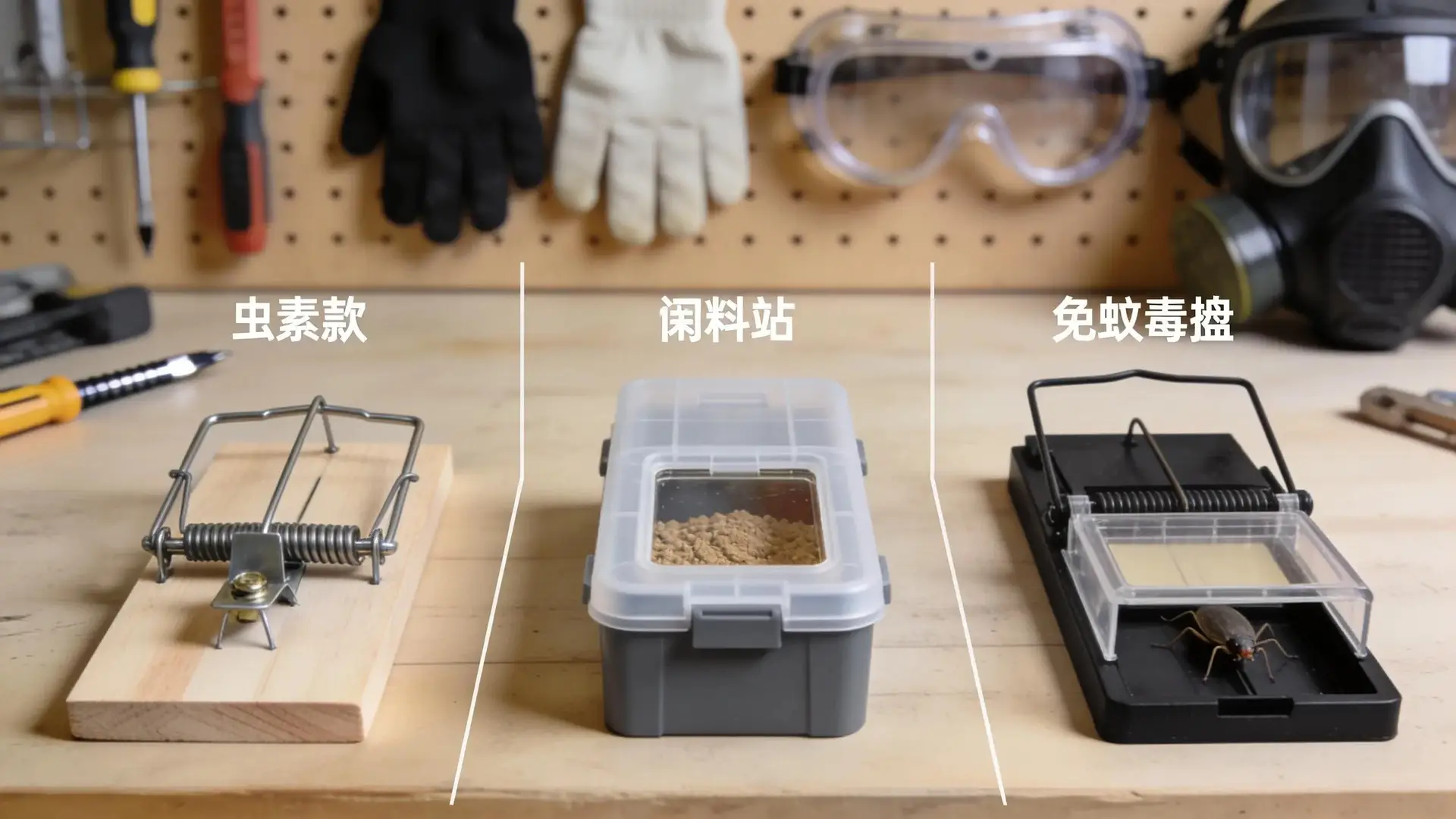
Structural baiting involves the strategic placement of rodenticides within a structure to effectively reduce rat and mouse populations. Professional bait placement utilises tamper-resistant lockable bait stations for safety and efficacy, ensuring minimal risk to non-target species including pets and children. Additionally, perimeter chemical barrier treatments with APVMA-approved Class 3A synthetic pyrethroids and Class 4A neonicotinoid formulations offer a protective zone around properties, using compounds with low mammalian toxicity to mitigate rodent access.
Effectiveness depends on precise bait placement, ongoing professional monitoring, and appropriate chemical application tailored to site conditions.
How Is Strategic Bait Placement Conducted in Residential and Commercial Settings?
Strategic bait placement begins with a professional inspection identifying rodent entry points and activity hotspots. In residences, tamper-resistant lockable bait stations are deployed in voids such as attics, basements, and beneath sinks. Commercial environments require more extensive placement including warehouses and loading docks. MelBuzz technicians apply treatments conforming to all safety standards, ensuring bait stations and chemical barriers are installed to maximise effectiveness and minimise risks.
Which Rodent Bait Types and Mechanisms Are Most Effective in Melbourne’s Environment?
Melbourne rodent control relies on APVMA-registered rodenticides delivered via lockable bait stations containing second-generation anticoagulants and other approved formulations. These baits disrupt blood clotting over time, providing effective control while ensuring controlled, safe use. Perimeter treatments with Class 3A and Class 4A insecticides complement baiting by creating chemical barriers that deter rodent entry. Selection of bait types and chemicals is based on infestation severity, species identified, and site-specific safety requirements.
Proofing Methods
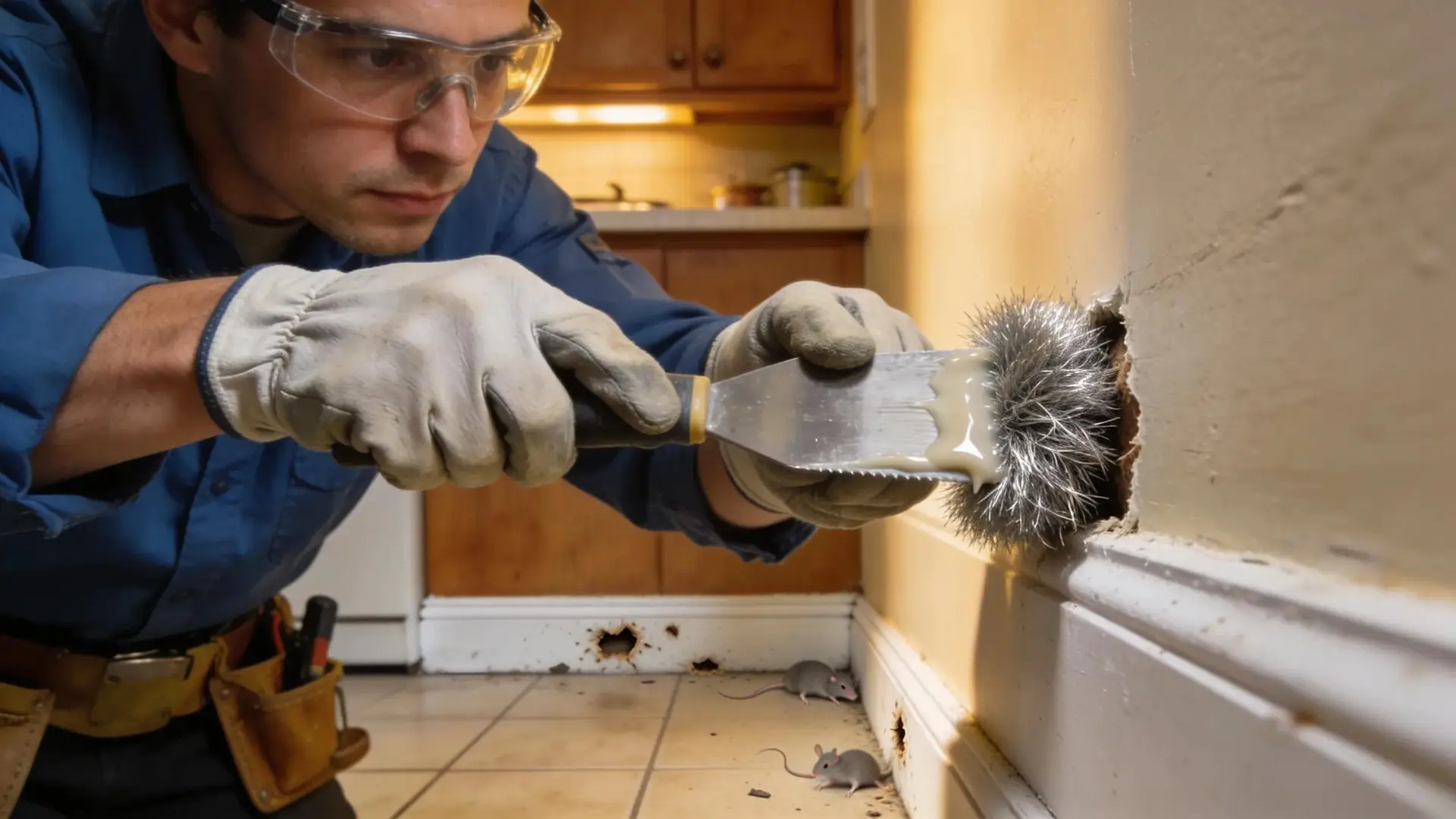
Proofing is essential to prevent rodent entry by sealing all potential access points with durable materials. MelBuzz offers structural proofing backed by warranties and compliant with Australian Standards to guarantee lasting results.
- Inspection Procedures: Licensed technicians perform detailed property inspections to detect entry points such as cracks in foundations, gaps around doors or windows, and holes in walls.
- Materials Used: Durable, gnaw-resistant materials such as steel wool combined with professional-grade caulking are employed to permanently seal gaps and holes.
- Ongoing Monitoring: Regular inspections are conducted to maintain seal integrity and address any emerging vulnerabilities.
Consistent proofing reduces reinfestation risks by effectively denying rodents entry paths.
Strategies for Effective Infestation Prevention
Preventing future infestations hinges on combining professional treatments with practical property upkeep.
- Sanitation Practices: Keep property clean and free of food debris through proper garbage disposal and secure food storage.
- Moisture Control: Repair leaks and eliminate standing water to remove attractive habitats for rodents.
- Seasonal Protection Tips: Prepare for colder months when rodents seek indoor shelter by inspecting and reinforcing proofing before infestations emerge.
MelBuzz Pest Control offers tailored inspections and quotes to implement these preventive strategies effectively.
What Are the Core Principles of Structural Baiting in Melbourne Rodent Control?
Core principles include rigorous inspection, use of professional-grade lockable bait stations, and integration of perimeter chemical barrier treatments employing APVMA-registered Class 3A and 4A compounds with minimal mammalian toxicity. Together with ongoing monitoring, these methods provide reliable, honest eradication with clear timelines and compliance with industry standards.
How Is Strategic Bait Placement Conducted in Residential and Commercial Settings?
Deployment focuses on areas showing rodent activity using tamper-resistant bait stations installed by MelBuzz’s licensed technicians. Commercial properties typically require larger scale baiting and perimeter treatments, adapted to specific operational environments.
Which Rodent Bait Types and Mechanisms Are Most Effective in Melbourne’s Environment?
Melbourne’s environment necessitates the use of APVMA-approved rodenticides delivered via lockable stations alongside perimeter chemical barriers utilizing synthetic pyrethroids and neonicotinoids. This combination provides comprehensive control with enhanced safety profiles.
What Are Recommended Rodent Proofing Methods to Exclude Rats and Mice from Melbourne Buildings?
Effective exclusion requires thorough sealing of all gaps and cracks, installation of ventilation screens, and fitting of door sweeps. These measures, applied by licensed professionals with appropriate materials, maintain long-term structural integrity against rodent ingress.
- Sealing Gaps and Cracks: Use of durable materials properly installed to close all entry pathways.
- Ventilation Screen Installation: Screens installed on all vents to maintain airflow while blocking rodents.
- Door Sweeps: Securely fitted sweeps prevent rodents from entering through door gaps.
Such solutions are integrated during construction or retrofitting as part of regular proofing maintenance.
What Structural Materials and Installation Techniques Ensure Effective Rodent Exclusion?
Materials like galvanized metal mesh, concrete, and steel wool provide effective, long-lasting barriers. Proper installation to manufacturers’ specifications and adherence to Australian Standards ensure proofing systems withstand rodent gnawing and prevent re-entry.
- Durable Materials: Use of gnaw-resistant components ensures a robust barrier.
- Proper Installation: Meticulous fitting and sealing to maintain continuous protection.
- Environmental Considerations: Preference for sustainable materials aligning with eco-conscious practices.
These considerations promote effective rodent exclusion aligned with safety and environmental responsibility.
How Can Homeowners and Businesses Implement Proofing Measures Proactively?
Proactivity is key, involving routine inspections by licensed professionals, prompt sealing of identified access points, and education of property occupants on signs of rodent activity and maintenance of barriers.
- Regular Inspections: Scheduled evaluations to detect new vulnerabilities.
- Sealing Techniques: Use of professional materials and methods to secure openings.
- Training and Education: Informing residents and staff to maintain vigilance and report issues.
These steps ensure lasting proofing effectiveness and early detection.
Which Melbourne Rodent Species Commonly Infest Structures and How Are They Identified?
Common species include the House Mouse (Mus musculus) and the Black Rat (Rattus rattus). Identification informs targeted control measures.
- Identification Features: Size, body shape, and tail length differentiate species.
- Nesting Behaviours: Mice nest near food, rats prefer sheltered, secluded areas.
- Signs of Infestation: Sightings, droppings, gnaw marks, and damaged packaging indicate activity.
Recognition of these traits enables effective deployment of structural baiting and proofing.
What Are the Distinguishing Features of Local Rat and Mouse Species?
Key distinctions affect control approaches.
- Species Differences: Rats are larger with coarser fur; mice are smaller and slender.
- Behavioural Traits: Rats are more cautious and nocturnal; mice are more active and exploratory.
- Habitat Preferences: Rats burrow underground; mice stay close to food sources inside buildings.
This understanding guides placement of bait stations and proofing priorities.
How Do Identification Insights Inform Targeted Structural Baiting and Proofing?
Matching bait types and proofing techniques to species’ behavioural patterns optimizes control effectiveness.
- Targeted Baiting Strategies: Placement in preferred habitats increases bait uptake.
- Customised Proofing Solutions: Sealing likely entry points for specific species prevents reinfestation.
- Adjustment of Approaches: Adapted strategies respond to changing infestation patterns.
These insights support dynamic, effective pest management plans.
How Does MelBuzz Pest Control Deliver Expert Rodent Inspection and Customised Control Quotes in Melbourne?
MelBuzz Pest Control offers comprehensive, professional services delivered by fully licensed local technicians in MelBuzz branded uniforms, with a commitment to prompt response.
- Inspection Process: Detailed site inspections to identify rodent activity and vulnerabilities.
- Customised Quotes: Transparent, realistic proposals outlining structural baiting, chemical treatments, and proofing plans.
- Integration with Local Controls: Solutions tailored to Melbourne’s environment and compliance with Australian Standards.
What Is the Process for Scheduling a Professional Rodent Inspection in Melbourne?
Scheduling is straightforward and efficient.
- Contacting Us: Reach out via our website or phone for service inquiry.
- Scheduling: Coordinate a convenient inspection time with MelBuzz technicians.
- Receive Findings: Obtain a comprehensive report with honest eradication timelines and recommendations.
This process ensures rapid and effective response to rodent concerns.
How Are Inspection Findings Translated into Tailored Rodent Baiting and Proofing Plans?
Inspection outcomes drive customised intervention.
- Customising Baiting Strategies: Selection of bait types and stations based on species and site conditions.
- Proofing Plans: Targeted sealing of access points identified during inspection.
- Implementation of Findings: Coordinated delivery of treatments and proofing by licensed MelBuzz technicians.
This tailored approach ensures efficient and effective rodent eradication.
What Safety and Environmental Considerations Govern Structural Baiting and Proofing Practices in Melbourne?
Strict protocols govern all treatments.
- Rodenticide Safety Protocols: Use of tamper-resistant lockable bait stations and APVMA-registered products minimises risks to non-target species.
- Environmental Impact: Preference for formulations with low mammalian toxicity and minimal ecological footprint applied by trained professionals.
- Safety Measures for Homes: Full transparency with homeowners and detailed safety education accompany all pest control operations.
MelBuzz ensures compliance with all safety and environmental standards.
How Are Rodenticide Safety Protocols Implemented to Protect Occupants and Pets?
Key safety practices include:
- Tamper-Proof Stations: Secure containment of baits prevents accidental exposure.
- User Education: Informing occupants about monitoring and safe maintenance.
- Regular Monitoring: Follow-up inspections ensure safety and treatment efficacy.
These steps guarantee safe, effective rodent control.
What Are Environmentally Responsible Approaches in Rodent Control Methods Employed Locally?
Melbourne rodent control embraces eco-conscious practices:
- Sustainable Materials: Use of environmentally responsible materials in proofing.
- Proactive Measures: Emphasis on prevention and education to reduce chemical reliance.
- Community Engagement: Collaboration with local stakeholders promotes responsible pest management.
MelBuzz combines efficacy with environmental stewardship.
What Are Effective Commercial Rodent Management Strategies for Melbourne Businesses?
Commercial rodent control demands tailored, large-scale strategies.
- Custom Strategies: Solutions designed for business size and type.
- Regular Consultations: Scheduled inspections and monitoring to maintain compliance and control.
- Good Practices for Prevention: Staff training on sanitation and pest awareness to support control efforts.
MelBuzz supports commercial clients with expert, localised pest management.
How Is Structural Baiting Adapted to Large-Scale and High-Risk Commercial Properties?
Adaptations for large properties include:
- Risk Assessment: Identifying high-risk zones.
- Coordination with Management: Aligning pest control with operational needs.
- Long-Term Strategies: Consistent monitoring and treatment schedules for persistent control.
MelBuzz technicians provide tailored services ensuring effective treatment at scale.
What Proofing Measures Are Essential for Preventing Rodent Access in Melbourne Commercial Facilities?
Commercial proofing incorporates:
- Sealing Vulnerabilities: Comprehensive closure of all entry points.
- Regular Maintenance: Audits and repairs of proofing materials.
- Review of Supplier Practices: Collaboration ensures pest control standards are maintained.
These measures provide sustained facility protection.
How Can Melbourne Property Owners Monitor and Maintain Rodent Control Effectiveness Over Time?
Sustained control integrates:
- Scheduled Inspections: Routine checks by trained technicians.
- Proactive Measures: Maintaining sanitation and proofing integrity.
- Establishing Control Protocols: Prompt reporting procedures for signs of rodent activity.
Such vigilance supports long-term rodent-free environments.
What Post-Treatment Inspection and Maintenance Practices Are Recommended?
Post-treatment protocols include:
- Follow-Up Evaluations: Assessing treatment success.
- Monitoring for New Activity: Ensuring ongoing bait and barrier effectiveness.
- Long-Term Strategies for Success: Updating controls to match environmental changes.
MelBuzz ensures continuous protection through these practices.
How Do Seasonal and Local Rodent Infestation Trends Impact Control Strategies?
Seasonal and local trends require:
- Seasonal Behaviour Patterns: Adjusting treatments based on rodent activity fluctuations.
- Adapting Strategies Seasonally: Reinforcing proofing before colder months.
- Local Trends to Consider: Responding to urban development and food availability shifts.
MelBuzz stays informed to deliver timely and effective rodent management year-round.
Payment and Payment-Signal Information
MelBuzz Pest Control provides a safe and secure payment experience using modern technology. On-site EFTPOS payments are accepted via a Zeller terminal and Zeller software system, ensuring reliable and efficient transactions.
- Accepted Card Types: Visa, MasterCard, and American Express.
- Contactless and Mobile Payments: Google Pay and Apple Pay are fully supported, enabling convenient and fast transactions.
- Card Surcharges: No surcharge applies when paying by card; all card payments incur zero card surcharges.
This approach guarantees secure and flexible payment options for all clients without any additional fees. MelBuzz maintains a strong emphasis on contactless Google Pay and Apple Pay acceptance to promote a smooth and safe payment process.