By Sage Sra, MelBuzz™ Pest Control
Termites and timber pests pose significant risks to the integrity of homes and properties in Melbourne. Regular inspections are essential for property owners to ensure safety and to mitigate potential damage caused by these pests. This article delves into the comprehensive services offered for termite and timber pest inspections, user guidance on identifying these pests, and tips on selecting a qualified inspection service. We will also outline key indicators of pest damage, common timber pests in the region, and the processes involved in professional inspections.
Professional Termite & Timber Pest Inspections in Melbourne
Termite and timber pest inspections in Melbourne are crucial for protecting your property from the destructive nature of these pests. Inspections involve thorough examinations of all areas of a property, identifying potential issues before they escalate. Regular inspections help homeowners maintain the structural integrity of their properties and foster peace of mind.
One reliable provider of these inspection services is MelBuzz Pest Control, offering structured and comprehensive services tailored to meet your pest management needs. Their team utilizes advanced inspection techniques and technologies to ensure no areas are overlooked, emphasising the importance of prevention in pest control.
Service Details:
The inspection services provided by MelBuzz Pest Control include:
- Visual Inspections: Thorough checks of accessible areas using trained professionals.
- Advanced Detection Tools: Utilizing moisture meters and thermal imaging technology to identify hidden infestations.
- Comprehensive Reporting: Detailed reports that outline findings and recommendations.
This approach not only identifies current infestations but also helps in preventing future issues, emphasising the importance of immediate action when pest presence is detected.
User Guidance for Conducting Inspections:
When conducting inspections, property owners should be aware of various signs indicating potential termite or timber pest issues. Here are key indicators to look for:
- Mud Tubes: Termite tunnels made of soil that allow them to travel to food sources.
- Wood Damage: Hollow-sounding wood or wood that appears to have been eaten away.
- Sawdust Piles: Indications of wood-boring insects may include small piles of sawdust near affected timber.
Taking proactive measures in inspections can significantly reduce the risk of severe damage.
Tips for Selecting a Qualified Pest Inspection Service:
Choosing the right pest inspection service is critical for ensuring quality and reliability. Here are several tips to follow:
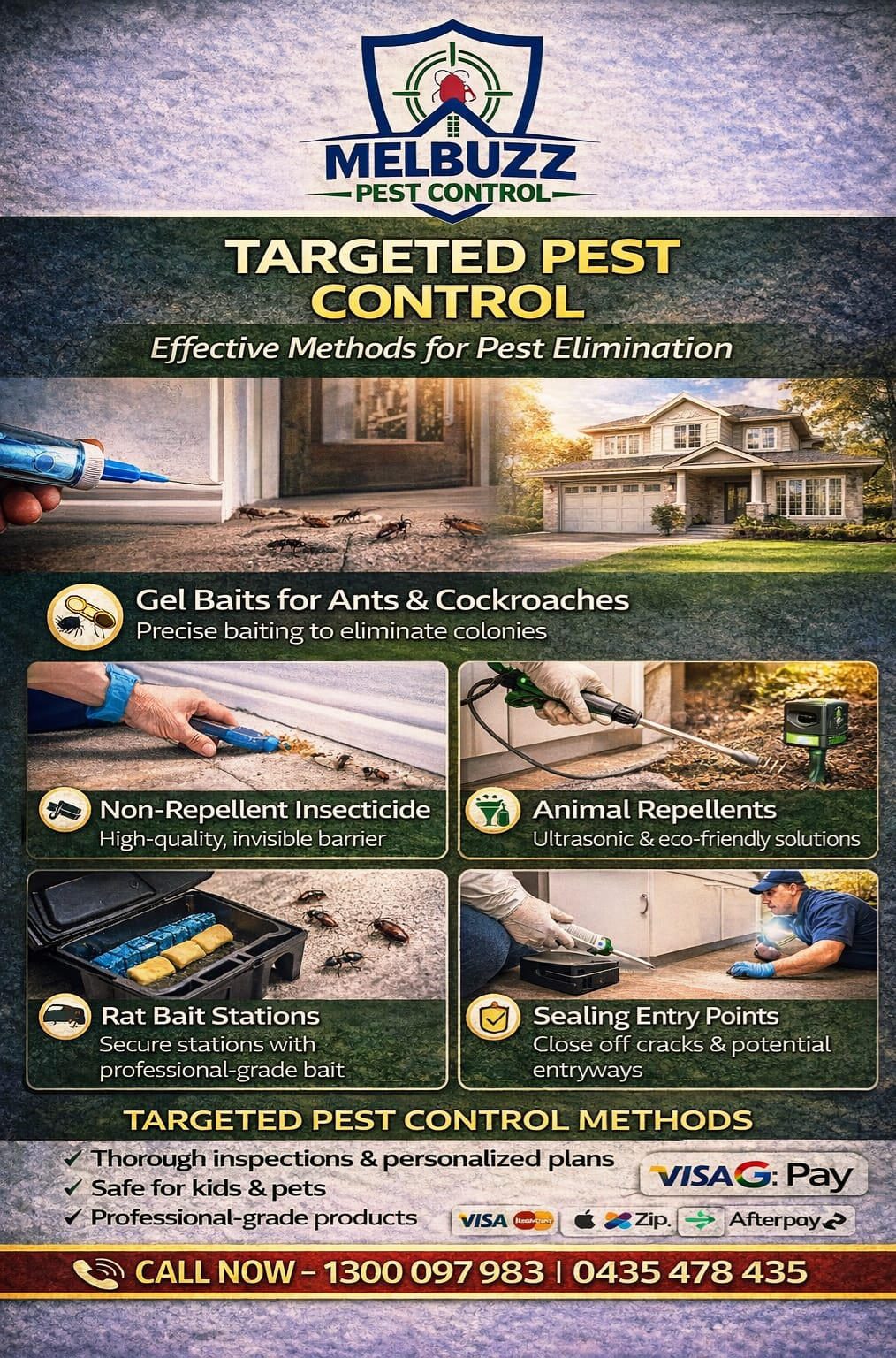
- Check Licensing and Credentials: Ensure the service provider has the appropriate licensing and certification to conduct inspections.
- Experience Matters: Look for companies with extensive experience in pest inspections to ensure comprehensive knowledge of wood pests.
- Transparent Pricing: A trustworthy pest control service will be upfront about costs and provide detailed quotes without hidden fees.
Selecting a service with a solid reputation can greatly influence the success of pest management strategies.
What Are Key Indicators and Risks of Termite and Timber Pest Damage in Melbourne?
Several signs can indicate termite or timber pest damage, including:
- Bubbling or peeling paint: This can signal moisture damage due to pest-related issues behind the walls.
- Wilting trees: Trees losing health may indicate that pests are affecting their roots or structure.
- Frass: This is the wood-coloured sawdust that indicates active wood-eating pests.
Ignoring these warning signs can result in structural failures and expensive repairs, underscoring the need for regular inspections.
Which Timber Pests Commonly Threaten Melbourne Properties?
Melbourne properties face threats from several timber pests, such as:
- Termites: The most notorious for causing significant structural damage.
- Wood Borers: Includes species that create holes and tunnels within the wood.
- Fungi: Certain types can decay wood structures, compromising their strength.
Recognising these pests and understanding their behaviours can help in prompt intervention and treatment.
What Are Structural Signs of Termite Infestation?
Structural signs of termite infestation may include:
- Sagging floors or ceilings resulting from the weakening timber.
- Frayed or hollow wood surfaces indicate extensive damage within.
- Live termites or discarded wings may be visibly present near damaged areas.
If any of these signs are detected, it is advisable to seek professional assistance immediately to assess the extent of the damage.
How Is a Professional Termite and Timber Pest Inspection Conducted in Melbourne?
A typical inspection process includes the following steps:
- Initial Assessment: The inspector evaluates the exterior of the property for potential signs of infestations.
- Internal Inspection: All internal spaces including basements, attics, and crawl spaces are thoroughly checked.
- Use of Technology: Implementing moisture meters and infrared detection tools to locate hidden issues.
- Report Generation: Providing a comprehensive analysis of findings with recommendations for repair or treatment.
This structured approach ensures a detailed understanding of pest issues within the property.
What Are the Standard Procedures and Tools Used During Inspection?
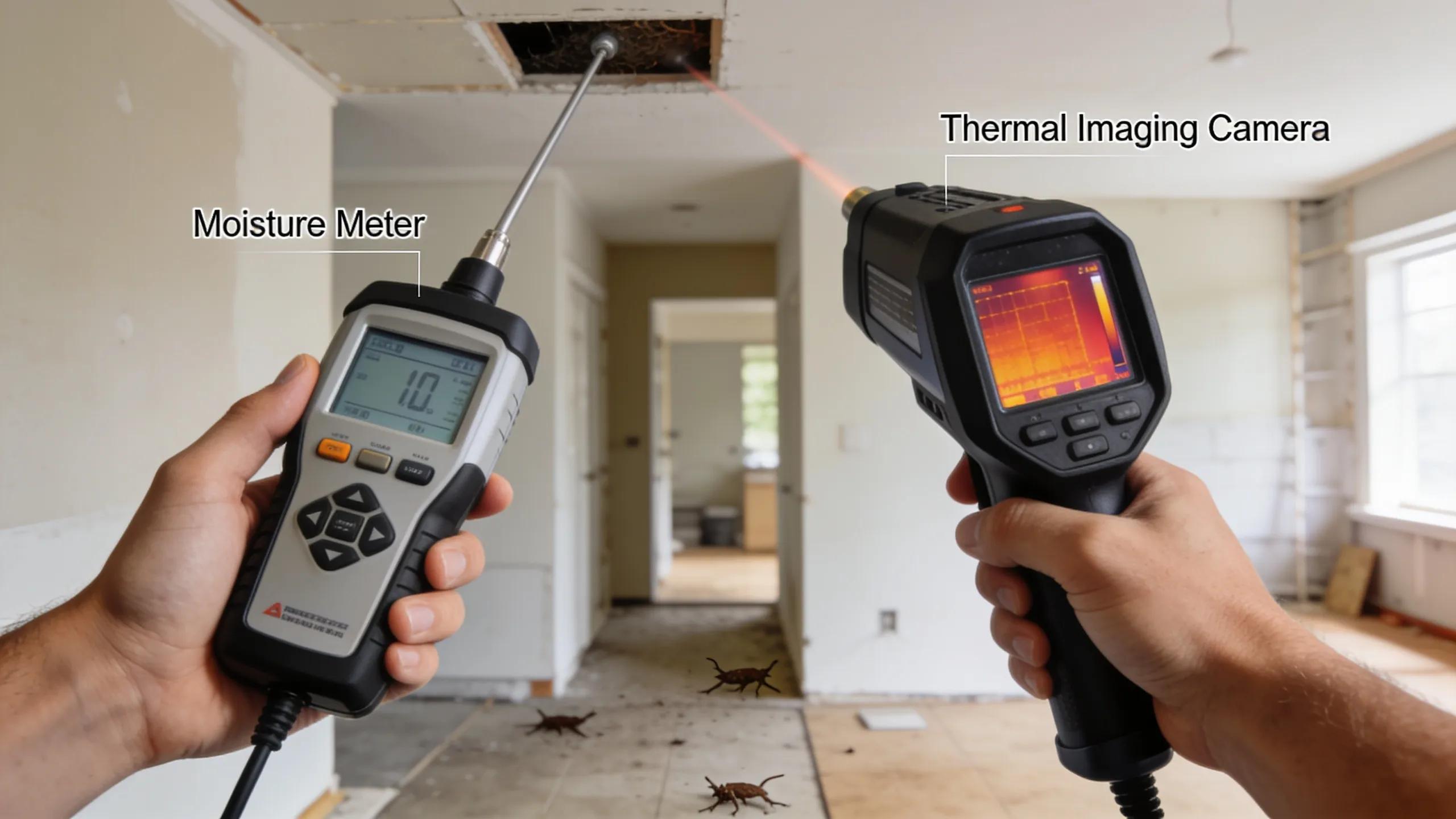
During inspections, standard procedures and tools include:
- Moisture Meters: To detect wood moisture levels that attract pests.
- Thermal Imaging Cameras: To identify voids within walls where pests may dwell.
- Flashlights and Hand Tools: For manual inspections of accessible areas.
These tools provide a well-rounded examination, ensuring that no potential threat goes unnoticed.
How Does Inspection Reporting Support Informed Property Decisions?
Inspection reports play a crucial role in property management by:
- Providing comprehensive findings regarding pest presence or potential risks.
- Outlining recommended actions based on the level of damage or infestation.
- Helping homeowners assess their property’s condition, which is vital for future planning or sales decisions.
Understanding the contents of these reports can empower property owners to make informed choices regarding pest management strategies.
What Are Typical Costs and Quote Processes for Timber Pest Inspection Services in Melbourne?
The costs associated with timber pest inspections can vary based on several factors:
- Size of Property: Larger properties typically incur higher inspection fees.
- Extent of Inspection: Comprehensive inspections that include advanced technology may cost more.
- Company Reputation: Well-established companies may charge premium rates for their services.
To obtain quotes, clients should contact inspection services directly and provide details about their property for accurate pricing.
How Is Timber Pest Inspection Pricing Structured?
Pricing for pest inspections can be structured as follows:
- Standard Inspections: These typically range from $150 to $350 depending on the size and condition of the property.
- Advanced Services: For inspections using advanced technology, costs might start from $300 and go up based on service complexity.
Being aware of average costs can help clients budget effectively for necessary inspections.
How Can Clients Request Accurate Quotes for Inspections?
Clients can ensure they receive accurate quotes by following these guidelines:
- Provide Detailed Information: Include property size, location, and any known pest issues.
- Ask for a Breakdown of Costs: Understanding what each component of the service entails helps clarify pricing.
- Inquire About Additional Fees: Confirm if there are any potential extra charges for services beyond the standard inspection.
Effective communication with the pest control service will help streamline the quoting process.
Which Treatment and Prevention Options Complement Effective Termite Inspection in Melbourne?
Post-inspection, several treatment and prevention options can be considered:
- Chemical Treatments: These involve applying pesticides to deter pests physically.
- Bait Systems: Using bait stations to attract and eliminate termite colonies over time.
- Physical Barriers: Installation of physical barriers to prevent access points for pests.
Combining these methods can significantly enhance the effectiveness of pest management strategies.
What Termite Treatment Methods Are Recommended Post-Inspection?
Recommended termite treatment methods may include:
- Soil Treatments: Burying chemical solutions in the soil to create a barrier against termites.
- Baiting Systems: These systems attract termites and gradually eliminate them by ingesting treated bait.
- Fumigation: In severe cases, tenting the entire structure for chemical treatment may be necessary.
Choosing the right treatment largely depends on the severity of the infestation as determined during the inspection.
How Does Pre-Purchase Timber Inspection Protect Investment Decisions?
A pre-purchase timber inspection serves as a critical risk management tool in real estate transactions. It highlights any existing damage that could jeopardize the property’s value, enabling buyers to negotiate repairs or price adjustments before finalizing significant investments. Failing to conduct these inspections can lead to costly surprises that affect both financial stability and peace of mind.