Rodent infestations can pose significant challenges for property owners and landlords in Melbourne, impacting health and wellbeing. Understanding effective prevention strategies is vital for maintaining a rodent-free environment. This article explores a range of proactive measures that can be implemented to minimise the risk of rodent problems in both residential and commercial properties. Readers will learn about pest identification, prevention techniques, and best practices for upkeep, while also gaining insights into the local rodent behaviours. Additionally, we’ll touch on how to schedule inspections and the services offered by MelBuzz Pest Control, a leading service provider in the area.
Pest Identification
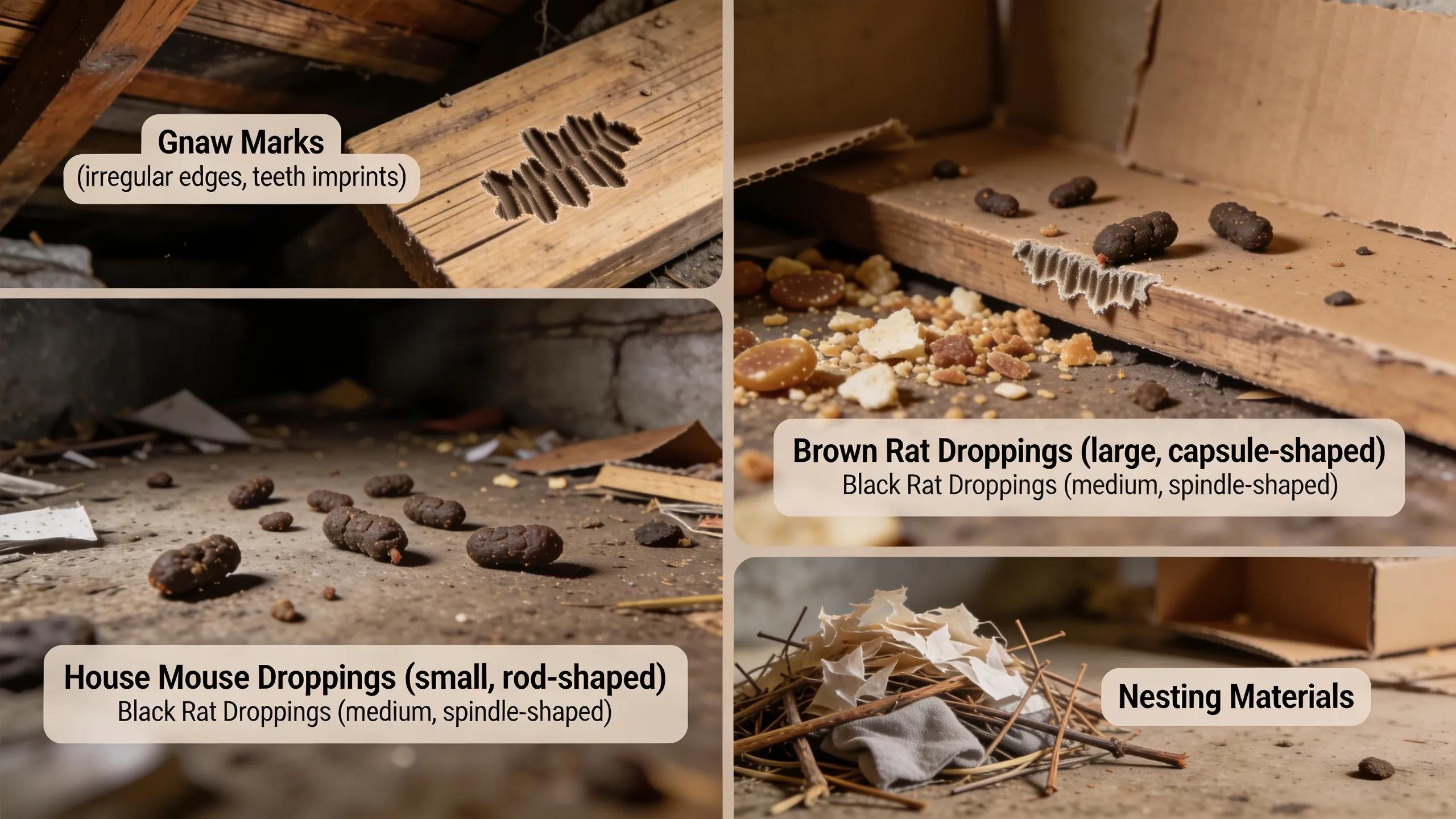
Identifying the species of rodents that may invade a property is the first step in effective rodent prevention. Common rodents in Melbourne include the brown rat, black rat, and house mouse. Recognising their unique behaviours and signs of infestation is essential for early detection. Property owners should be vigilant in observing and differentiating these species based on their size, colour, and habitat preferences.
Understanding specific indicators of rodent infestations is also crucial. Look for signs such as droppings, gnaw marks, and nesting materials, which can all suggest the presence of rodents. Regular inspection of high-risk areas, such as basements, attics, and kitchens, can help in early detection and prevention of larger infestations.
Research indicates that housing disrepair significantly correlates with increased rodent infestations, highlighting the importance of property maintenance in prevention.
Housing Disrepair and Rodent Infestations: Impact on Health
Health burdens associated with poor housing and indoor pest infestations are likely to affect young children in particular, who spend most of their time indoors at home. We completed environmental assessments in 644 homes of pregnant Latina women and their children living in the Salinas Valley, California. High residential densities were common, with 39% of homes housing > 1.5 persons per room. Housing disrepair was also common: 58% of homes had peeling paint, 43% had mold, 25% had water damage, and 11% had rotting wood. Evidence of cockroaches and rodents was present in 60% and 32% of homes, respectively. Compared with representative national survey data from the U.S. Department of Housing and Urban Development, homes in our sample were more likely to have rodents, peeling paint, leaks under sinks, and much higher residential densities. The odds of rodent infestations in homes increased in the presence of peeling paint [odds ratio (OR) 2.1; 95% confidence interval (CI), 1.5–3.
Association of housing disrepair indicators with cockroach and rodent infestations in a cohort of pregnant Latina women and their children, A Bradman, 2005
Prevention Techniques
Effective prevention methods against rodent infestations focus on eliminating food sources and potential nesting sites. Implementing Integrated Pest Management (IPM) strategies allows owners to combine multiple approaches for optimal results. IPM is characterized by continuous monitoring and assessment of pest activity, facilitating timely action when risks are observed.
Utilizing rodent proofing methods, such as sealing cracks and gaps in foundational structures, plays a pivotal role in keeping intruders out. Additionally, maintaining cleanliness in and around properties helps eliminate food and nesting materials. Regular disposal of waste and proper food storage should be prioritised, especially in communal living spaces.
Best Practices for Maintaining a Rodent-Free Environment
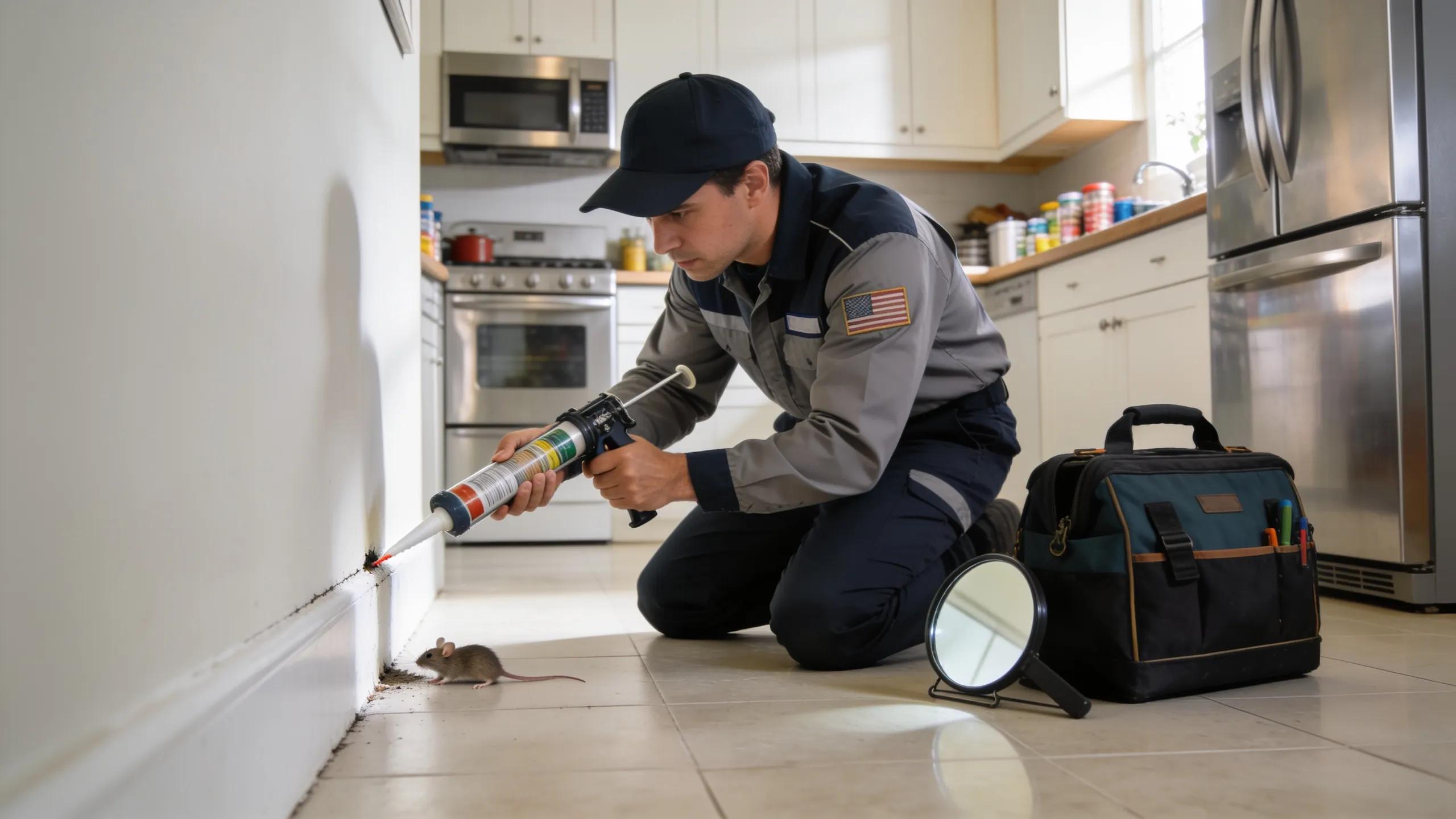
Maintaining a rodent-free environment involves a combination of proactive measures and ongoing vigilance. Here are several best practices that can be implemented:
- Regular Inspections: Frequent checks for signs of rodent activity can help catch infestations early.
- Professional Services: Engaging pest control professionals like MelBuzz Pest Control ensures thorough inspections and draws on expert knowledge for ongoing management.
- Sanitation and Decontamination: Keeping areas clean reduces attractants such as food spills and clutter, which can invite rodent infestations.
Utilizing professional services for regular inspections can enhance rodent control efforts. This not only helps in early identification of potential issues but also applies experienced protocols for inspection based on the specific landscape of Melbourne.
What Are the Key Signs of Rodent Infestation in Melbourne Properties?
Recognising the key signs of rodent infestations in Melbourne properties is vital for early intervention. Common indicators include:
- Droppings: Small, dark droppings near feeding areas or nests.
- Gnaw Marks: Visible teeth marks on wood, plastic, or electrical wiring.
- Nesting Materials: Shredded paper, fabric, or insulation in hidden areas.
How to Identify Common Infestation Indicators: Rodent Droppings and Damage
Rodent droppings vary by species but are typically small and dark. The presence of droppings serves as a clear sign of infestation, especially if found near food sources. Additionally, gnaw marks on various surfaces suggest that rodents are actively foraging or nesting. Identifying these indicators promptly allows property owners to respond before the infestation escalates.
Understanding Rodent Behaviour in Melbourne’s Urban Environment
Urban environments significantly influence rodent behaviour, with abundant food sources and shelter opportunities. As Melbourne continues to grow, so does the prevalence of urban rodents. Rodents are adaptable, exploiting newly developed areas and shifting food resources. Seasonal behaviours also affect rodent activity; for example, cooler months often see rodents searching for warmth and food indoors.
Identifying Common Rodent Species with MelBuzz™ Pest Control
Effective rodent proofing and exclusion techniques are critical to keeping properties safe from infestations. Some of the most effective methods include:
- Sealing Openings: Use durable materials to seal gaps located around pipes, vents, and windows.
- Installing Bait Stations: Properly positioned bait stations can reduce existing rodent populations.
- Maintaining Landscaping: Keep vegetation trimmed and remove debris that may harbour rodents.
For long-term rodent management, integrating rodent-proof construction practices is essential, as it is a more cost-effective solution than reactive measures.
Rodent-Proof Construction: Preventing Entry in Melbourne Properties
The most effective means of limiting rodent damage is rodent-proof construction. New buildings should be designed and built to prevent rodent entry. Rodent-proofing is a good investment. Designing and constructing a rodent-proof building is less expensive than adding rodent-proofing later. Nevertheless, poor maintenance or management practices, such as leaving entry doors and unscreened windows open, will make the bestconstructed building susceptible to rodent entry. Techniques discussed here apply both to new construction and to the modification of existing structures.
Rodent-proof construction and exclusion methods, RM Timm, 1994
Engaging pest control professionals can enhance the implementation of these techniques, ensuring comprehensive coverage of vulnerable areas in the property.
What Are Best Practices for Sealing Entry Points in Residential and Commercial Properties?
Proper sealing of entry points plays a vital role in preventing rodent access. Best practices include:
- Assessing Vulnerable Areas: Regularly inspect the perimeter of the property for gaps and cracks.
- Utilizing Effective Sealing Materials: Use steel wool in gaps and expandable foam to fill larger spaces.
- Regular Maintenance Checks: Conducting routine checks can help identify and address new issues over time.
These practices fortify properties against potential rodent entry, minimising the risk of infestation.
How Do Professional Rodent Proofing Services Enhance Property Protection?
Professional rodent proofing services offer an array of benefits that enhance property protection. These services enable comprehensive strategies tailored to each property’s unique challenges. Professionals like MelBuzz Pest Control employ advanced technologies and expert knowledge to identify vulnerabilities and implement effective solutions, significantly reducing infestation risks. Their expertise is an essential resource for property owners looking to establish long-term rodent prevention strategies.
What Rodent Baiting and Control Services Are Recommended for Melbourne Properties?
In dealing with rodent control, a variety of services are available for Melbourne property owners, including:
- Bait Stations: Designed to lure rodents and minimise risks to non-target animals.
- Trapping Services: Effective for immediate eradication of rodents.
- Monitoring Programs: Regular assessments to track rodent activity.
By choosing the right combination of services, property owners can tailor their rodent management approach to best fit their specific circumstances.
Comparing Rodent Baiting Options and Their Effectiveness in Urban Melbourne
When addressing rodent issues, comparing baiting options helps determine the best course of action. Key considerations include:
This comparison demonstrates how different approaches yield varied outcomes. Selecting the appropriate baiting method aligns with the specific needs and safety considerations of Melbourne property owners.
How Do Integrated Pest Management Approaches Optimise Rodent Control Results?
Integrated Pest Management (IPM) combines various strategies for effective rodent control. Techniques may include habitat alteration, behaviour modification, and the use of physical barriers. The IPM approach allows for sustainable management over time, reducing reliance on chemical controls while effectively addressing infestations. This comprehensive framework equips property owners with the tools needed to maintain preventive practices beyond immediate interventions.
How Can Melbourne Property Owners and Landlords Schedule Rodent Control Inspections Efficiently?
Scheduling regular rodent control inspections can be streamlined through a few strategic steps:
- Determine Inspection Frequency: Properties with histories of infestations may require more frequent checks.
- Engage Professional Services: Utilize companies like MelBuzz Pest Control, which offer tailored inspection services.
- Establish Reminders: Setting up calendar alerts can help ensure inspections are not overlooked.
By following these steps, property owners can ensure their properties maintain an ongoing strategy for rodent prevention.
What Are Expected Costs and Service Guarantees for Rodent Prevention in Melbourne?
Understanding the costs associated with rodent prevention services is crucial for property owners. Typical cost structures may include:
- Initial Inspection: Approximately $100-$200, depending on property size.
- Ongoing Monitoring: Monthly services averaging $50-$100.
- Control Treatments: Varying based on methods and extent of infestation.
Service guarantees typically offered by professionals ensure satisfaction and reinforce the commitment to effective rodent management.
How to Contact MelBuzz Pest Control for Prompt Rodent Inspection and Treatment
For property owners seeking immediate rodent inspection and treatment services, contacting MelBuzz Pest Control is straightforward. They offer various communication methods, including:
- Phone: 1300 097 983
- Email: info@melbuzzpestcontrol.com.au
Take proactive measures today by reaching out for an assessment to prevent potential infestations and protect your investment.