Comprehensive Guide to Termite Inspection in Melbourne: Warning Signs, Costs & Expectations
Termite inspection is a crucial aspect of property maintenance that protects homes from extensive damage caused by infestations. This comprehensive guide provides insights into the warning signs of termite activity, the costs associated with inspections, and what homeowners can expect during the inspection process. Understanding these elements is vital for Melbourne residents, where the combination of warm weather and wooden structures creates an environment conducive to termite infestations. As you read through this guide, you’ll learn about key infestation indicators, typical inspection costs, and professional expectations for a thorough assessment. By being proactive, homeowners can take significant steps towards safeguarding their properties against termite damage.
Comprehensive Guide on Termite Inspection in Melbourne
Termite inspections are designed to evaluate the presence of termites and assess potential damages in properties. A professional inspection typically involves a thorough examination of both the interior and exterior of a home, including crawl spaces, attics, and surrounding landscapes. Given the importance of early detection in preventing significant damage, regular inspections are recommended, especially in areas prone to termite activity. During this process, inspectors use various advanced techniques to identify signs of infestations, which can often be subtle yet damaging if not addressed.
Key Warning Signs of Infestations
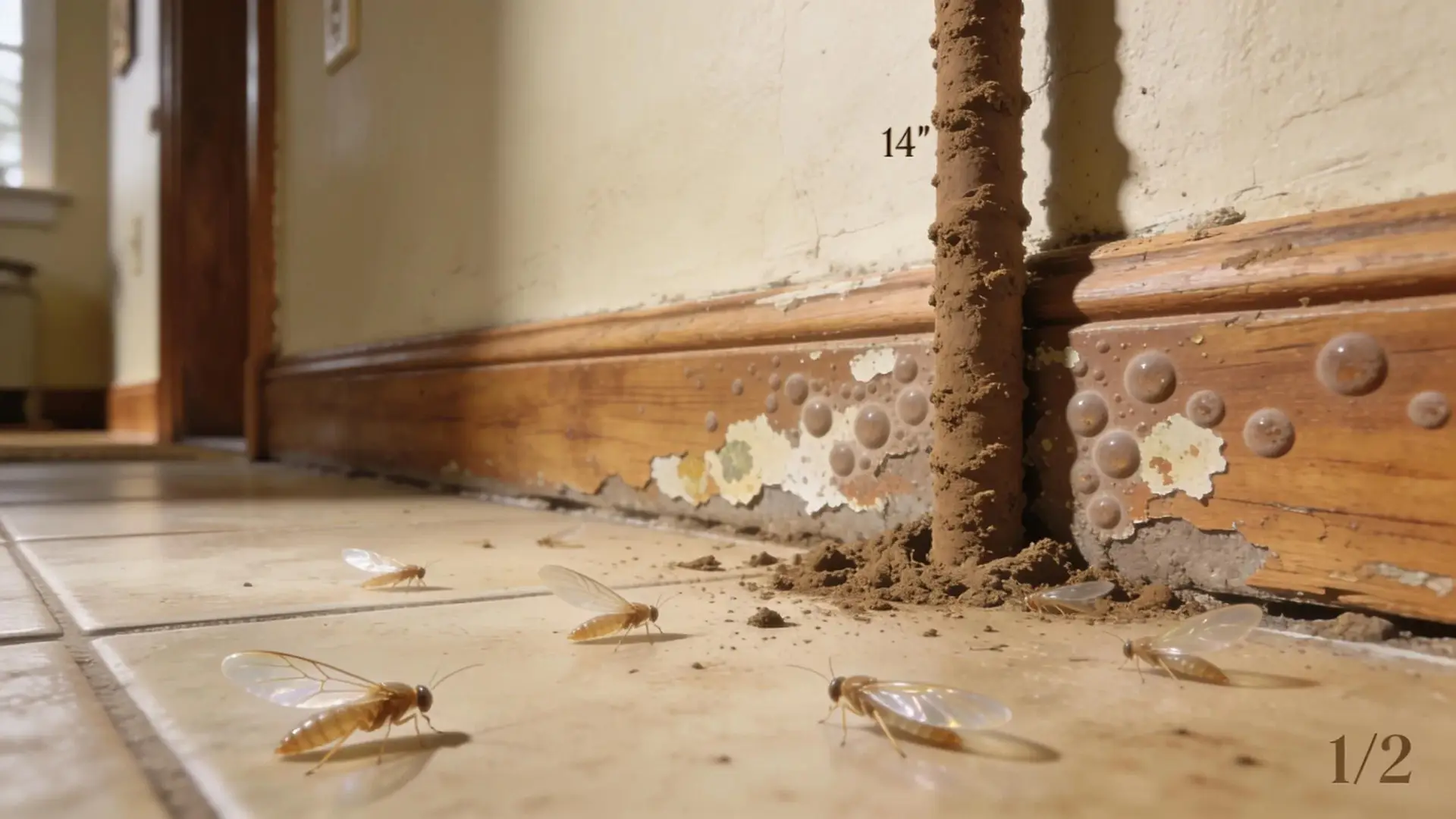
Identifying termite infestations early is essential for effective treatment and damage control. Homeowners should remain vigilant to several warning signs that indicate potential termite activity.
- Hollow-sounding Timber: Tap on wooden structures; a hollow sound may indicate internal damage.
- Mud Tubes: Visible tubes made of mud along walls or foundations are a clear sign of termite activity.
- Discarded Wings: Swarmers often shed their wings near entry points, signaling potential infestations.
- Bubbling Paint: This could indicate moisture caused by termite damage beneath the surface.
- Sagging Floors: Floors that appear uneven or sagging may be a result of structural damage from termites.
Recognising these signs promptly can significantly minimise potential damage and costly repairs, leading to more targeted and effective treatment strategies.
Associated Costs
When considering a termite inspection, understanding the associated costs is essential. The price can vary based on several factors.
- Property Size: Larger properties typically incur higher inspection costs, as they require more time and resources.
- Treatment Method: Different pest management techniques, such as chemical treatments or heat treatments, affect the overall pricing.
- Severity of Infestation: Homes already exhibiting severe damage may require more extensive inspection and treatment, adding to costs.
The estimated costs for termite inspections can range from $200 to $400, depending on these factors. It’s also worth noting that obtaining multiple quotes from pest control companies can help homeowners find competitive pricing while ensuring quality service.
Getting an inspection early can prevent more costly repairs down the track, emphasising the importance of investing in professional services.
Expectations for the Inspection Process
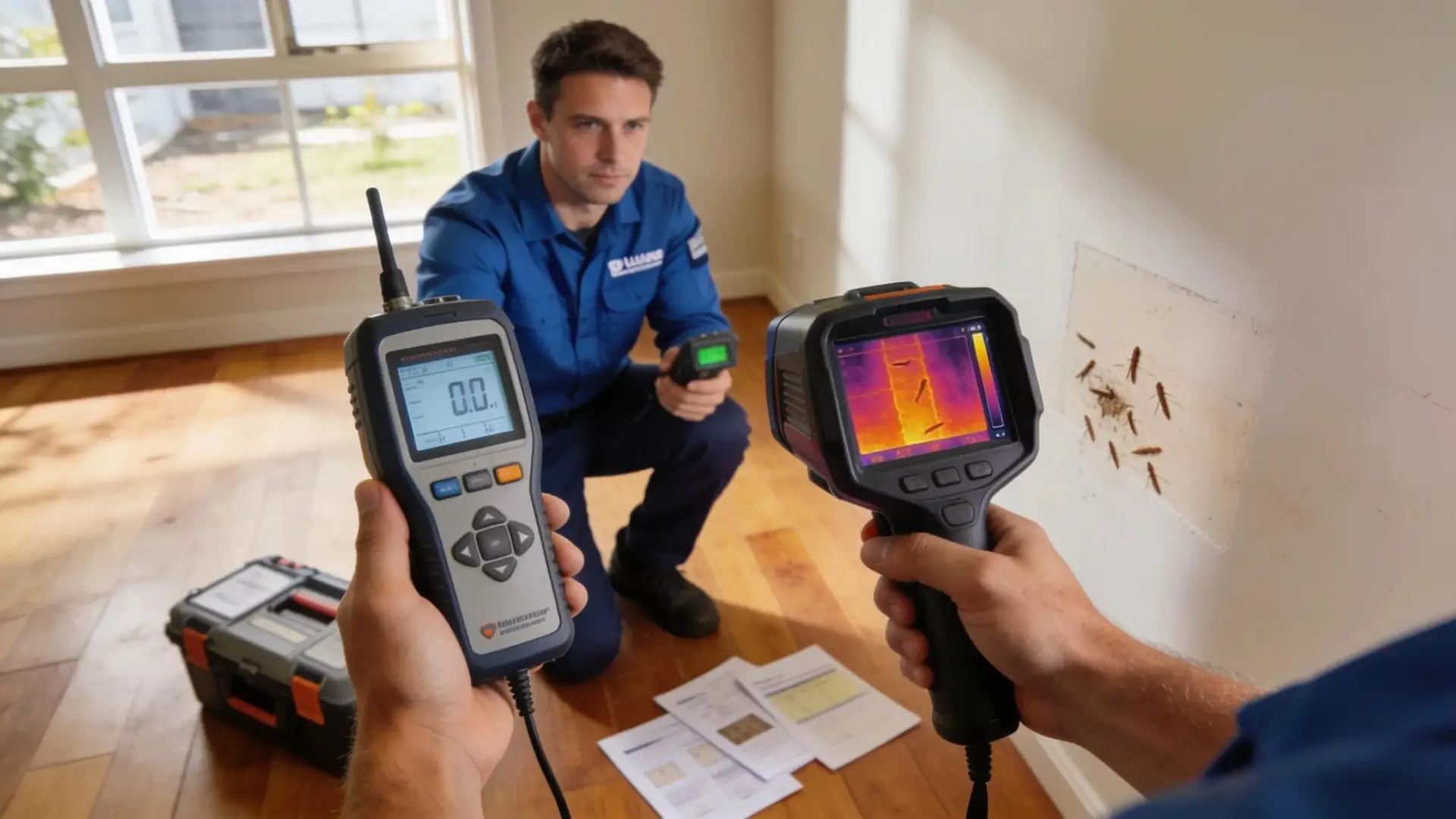
Understanding what to expect during a termite inspection helps homeowners prepare adequately and ensures a smoother process. The inspection generally follows a structured approach:
- Duration: Inspections typically last between 1 to 2 hours, depending on the property’s size and any visible signs of infestation.
- Tools Used: Inspectors may use moisture meters, thermal imaging cameras, and other specialized equipment that allows for thorough assessments.
- Reporting: After the inspection, homeowners can expect a detailed report outlining findings, recommendations for treatment, and any areas requiring immediate attention.
Knowing the procedure can alleviate any uncertainties and prepare homeowners for potential findings from the inspection.
Additional Information
Homeowners should consider scheduling termite inspections at least once a year, or more frequently in areas with known termite activity. Professional treatment is often required for more severe infestations, and understanding the recommendations from the inspection report is crucial for effective management. Following up on suggested actions promptly aids in reducing further damage and increases the lifespan of the property.
What Are the Key Warning Signs of Termite Infestation in Melbourne Properties?
In Melbourne properties, recognising specific warning signs is essential for prompt action against termites. Homeowners should look for:
- Hollow or Damaged Timber: This can indicate termites have been eating away at the structure.
- Mud Tubes: These are commonly found on walls and along the foundation, indicating a passageway for the termites.
- Bubbling Paint: This effect may be a result of trapped moisture between the paint layer and the wood, often linked to termite activity.
- Difficulties with Doors and Windows: If doors and windows become harder to open or close, it may be due to warped wood affected by termites.
- Presence of Droppings: Termite droppings resemble sawdust or coffee grounds and indicate live termites nearby.
For a deeper understanding of these signs, exploring