By John Doe, MelBuzz™ Pest Control
Pest control is a critical aspect of maintaining hygiene and health standards in commercial kitchens, particularly in a city like Melbourne where food safety regulations are stringent. In this comprehensive guide, we delve into the essential elements of pest control and health compliance, focusing on the HACCP requirements that govern food establishments, the common pests that pose health risks, and the legal requirements that shape commercial pest control practices. As we navigate the complexities of pest management, readers will gain insights into effective strategies and protocols to ensure their businesses meet compliance standards, safeguarding both their customers and their establishments. We will explore vital topics, including how to schedule inspections, the importance of integrated pest management solutions, and key case studies highlighting successful pest control implementations.
What are the HACCP Requirements for Pest Control in Victorian Commercial Food Establishments?
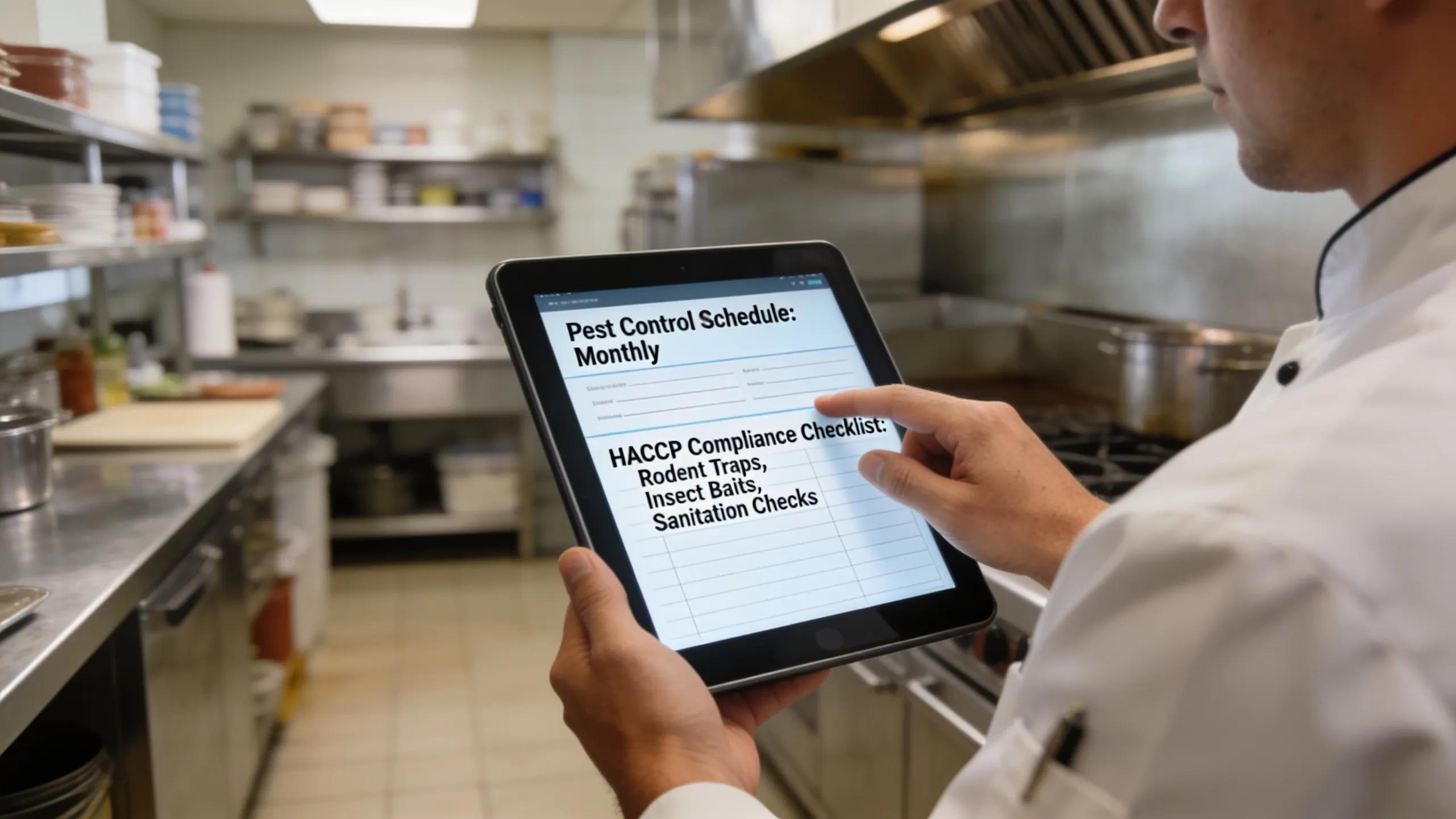
HACCP, or Hazard Analysis and Critical Control Points, establishes a systematic preventive approach to food safety. This framework is crucial for pest control in commercial food establishments, ensuring that potential hazards are identified and managed effectively. The implementation of HACCP requires food businesses to establish critical control points in their processes, which directly influence pest management protocols aimed at keeping facilities sanitary and compliant with health regulations. By aligning pest control practices with HACCP principles, restaurants can minimise risks related to pest infestations while maintaining high standards of food safety.
Understanding the evolution of these safety standards is essential for businesses looking to stay compliant with modern regulatory frameworks in Victoria.
HACCP Food Safety Standards and Compliance in Victoria
Victorian requirements for a HACCP based food safety program, the new standard was a step toward the national adoption of food safety management tools that reflected HACCP Healthy Public Policy Must Build Capacity: Analysing the Implementation of 3.2. 2A, Australia’s
New Food Safety Standard, J Barnes, 2026
How does HACCP influence pest management protocols in Melbourne?
Under the HACCP framework, pest management in Melbourne must adhere to specific protocols designed to prevent contamination and protect food products. This includes regular monitoring of pest activity, sanitation practices, and employee training aimed at recognising and addressing potential pest issues. For instance, food establishments are required to have documented pest control strategies, ensuring that preventive measures are proactive rather than reactive. Compliance with these protocols significantly enhances the establishment’s ability to minimise health risks associated with pests.
Which Victorian health compliance standards govern commercial pest control?
In addition to HACCP, several health compliance standards govern pest control in Victorian commercial food establishments. Regulations enforced by the Department of Health require pest management services to be conducted by licensed professionals who understand the unique challenges posed by different pest species. These standards dictate inspection frequency, response protocols to infestations, and documentation practices, ensuring that food businesses maintain a safe environment for both staff and customers. Failure to comply with these standards can result in significant penalties and, more importantly, can jeopardize public health.
HACCP Pest Control Standards by MelBuzz™ Pest Control
Various pests threaten the hygiene and safety of commercial kitchens in Melbourne, each presenting unique challenges that require tailored management strategies. Recognising the primary pest species, understanding their behaviour, and addressing the associated health risks are crucial steps in effective pest management.
What are the primary pest species affecting restaurants and food businesses in Melbourne?
Common pests that infest Melbourne’s restaurants include rodents, cockroaches, flies, and ants. Rodents are notorious for contaminating food supplies and spreading disease, while cockroaches can trigger allergens and foodborne illnesses. Flies are vectors for various pathogens, making their presence particularly concerning in food preparation areas. Understanding the biology and behaviour of these pests can aid in developing effective control measures that prevent infestations.
How do pest infestations compromise hygiene and food safety standards?
Pest infestations can severely compromise hygiene and food safety standards, leading to potential public health risks. Contamination from pests can result in outbreaks of foodborne illnesses, damaging the reputation of food establishments and leading to legal repercussions. Implementation of robust pest management protocols is essential in mitigating these risks and ensuring that hygiene standards are consistently met.
How Should Commercial Pest Inspections Be Scheduled and Conducted in Melbourne?
Scheduling and conducting pest inspections is critical for maintaining compliance and managing pest risks effectively. Understanding best practices regarding inspection frequency and timing — particularly in industries such as food service — can significantly enhance the effectiveness of pest control strategies.
What are the best practices for inspection frequency and timing in Victorian food premises?
Inspections should be scheduled at regular intervals, typically on a monthly basis, with additional visits during peak seasons when pest activity may increase. Implementing a routine inspection schedule allows businesses to identify potential pest issues early, ensuring timely intervention and minimising risks. Seasonal adjustments may be necessary, as certain pests, such as flies and rodents, may be more active during particular times of the year.
Who conducts licensed commercial pest inspections and what qualifications are required?
Licensed pest control professionals are responsible for carrying out inspections, and they must possess specific certifications and qualifications in pest management. In Melbourne, pest controllers are required to undergo training that covers the relevant laws, regulations, and best practices in pest management. Their expertise ensures that inspections are thorough, and recommendations for pest management adhere to the stringent requirements set forth by health authorities.
What Integrated Pest Management Solutions Are Effective for Melbourne Industrial and Commercial Clients?
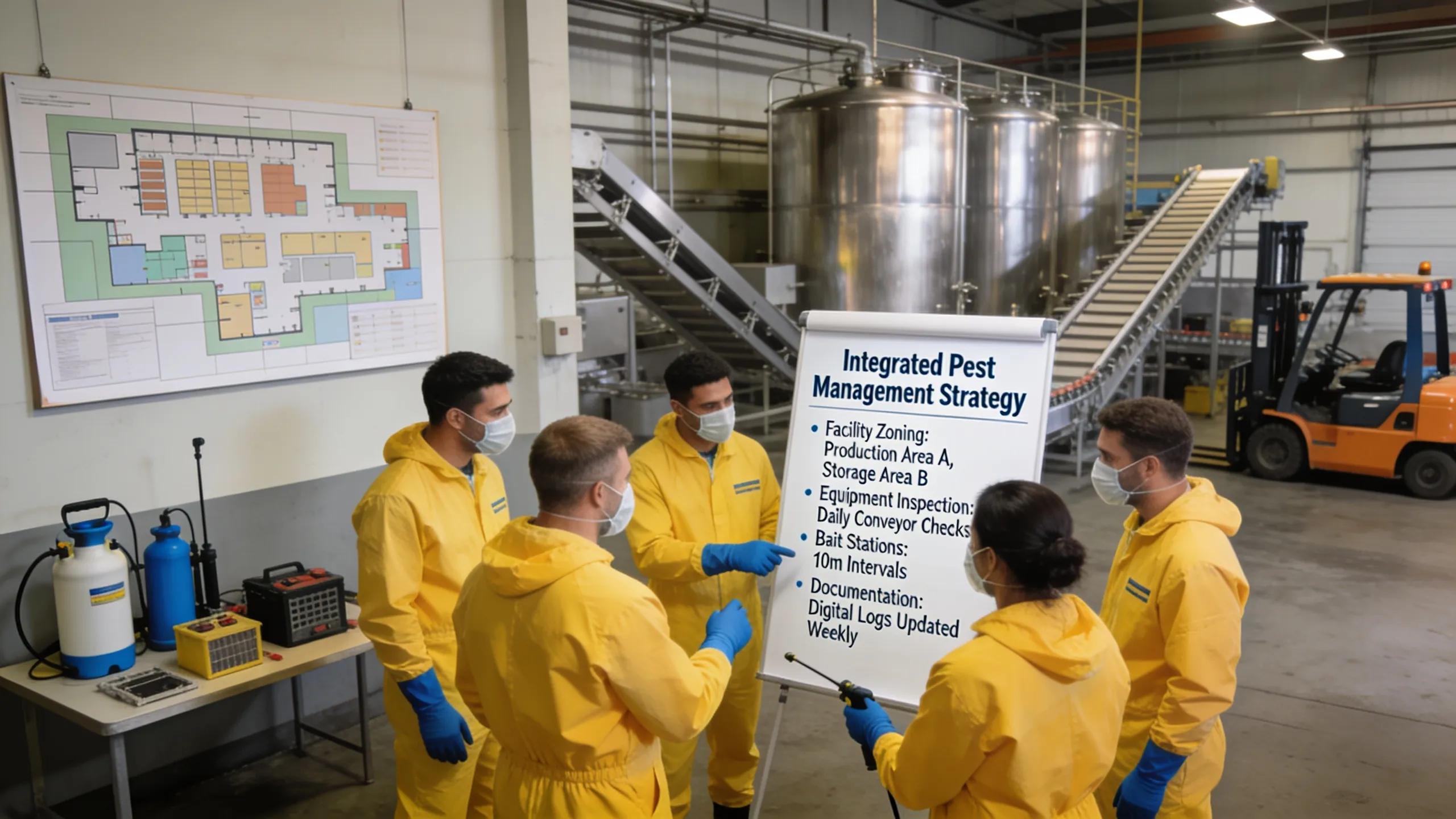
Integrated Pest Management (IPM) is a holistic approach that combines different strategies to manage pest populations effectively while minimising risks to human health and the environment. Adopting IPM practices can lead to more successful pest control outcomes for commercial clients.
Researchers have consistently highlighted that maintaining high sanitation standards is a fundamental precursor to achieving success with any IPM strategy.
Sanitation as a Foundation for Commercial Pest Control
Proper sanitation programs for food facilities are now recognised as the foundation of good integrated pest management (IPM) programs for stored products throughout the post-harvest
Sanitation improves stored product insect pest management, WR Morrison III, 2019
Which pest control methods ensure rapid eradication and compliance with HACCP?
Effective IPM strategies incorporate a variety of pest control methods tailored to the specific needs of each establishment. These methods can include mechanical removal, biological controls, and the targeted use of pesticides that comply with HACCP standards. By implementing a comprehensive pest management plan, businesses can ensure rapid eradication of pests while maintaining compliance with health regulations.
How do tailored treatment plans address specific risks in different commercial sectors?
Tailored pest management plans are essential in addressing the distinct challenges faced by different commercial sectors, including restaurants, factories, and food processors. For example, a restaurant may require a different approach than a food distribution centre due to variances in pest pressure, facility layout, and regulatory requirements. By understanding these dynamics, pest management providers can develop customised solutions that effectively mitigate pest-related risks within specific environments.
How Do Legal Requirements and Certification Impact Commercial Pest Control Services in Victoria?
Legal and certification requirements play a crucial role in shaping pest control services in Victoria, influencing how businesses operate and ensuring the maintenance of public health standards.
What licences and certifications must commercial pest controllers hold in Melbourne?
In Melbourne, commercial pest controllers must hold valid licences issued by relevant authorities, demonstrating their competency in pest management practices. These licences typically require completion of accredited training programs and adherence to ongoing professional development requirements. Moreover, pest control companies must ensure that their employees are also properly licensed to perform pest management services.
How do evolving Victorian health regulations affect pest control standards and enforcement?
As health regulations in Victoria evolve, pest control standards must also adapt to meet new compliance requirements. This may include more stringent guidelines surrounding the use of certain pest control methods or the implementation of new technologies for monitoring and managing pest populations. Pest control professionals must stay informed about these changes to ensure their services are compliant with current laws and regulations.
What Are Key Case Studies and Testimonials Demonstrating Effective Pest Control for Melbourne Businesses?
Examining real-world examples of successful pest control implementations provides valuable insights into effective practices and the potential benefits of tailored pest management solutions.
How have Melbourne commercial clients benefited from MelBuzz Pest Control’s tailored services?
MelBuzz Pest Control has served various clients in the Melbourne region, implementing customised pest management strategies that have led to significant improvements in pest control outcomes. By addressing the unique challenges faced by each business, MelBuzz has contributed to enhanced hygiene standards and compliance with health regulations, ultimately boosting client satisfaction.
What documented outcomes showcase compliance improvements through expert pest management?
Documented success stories illustrate how MelBuzz Pest Control’s interventions have resulted in notable compliance improvements across various commercial sectors. Establishments report reduced pest incidents and increased adherence to health standards, emphasising the effectiveness of expert pest management in safeguarding both their business and clientele. These examples serve as a testament to the value of investing in professional pest control services.