Pest control compliance is crucial for businesses in Victoria, particularly in Melbourne, where the health and safety of patrons and employees are of paramount concern. Understanding the regulatory landscape helps businesses maintain compliance and protect their reputation. This article delves into the health standards associated with commercial pest control in Victoria and provides insights into the practices required for compliance. You’ll learn about the relevant regulations, the pest inspection process, and the necessary pest control services that ensure food safety and workplace hygiene. The importance of ongoing compliance and risk management will also be addressed, assisting businesses in developing proactive pest management strategies.
What Are the Regulatory Requirements for Commercial Pest Control Compliance in Victoria?
Regulatory requirements for commercial pest control compliance in Victoria entail a comprehensive understanding of both state and federal regulations. These regulations outline specific actions businesses must take to maintain compliance and mitigate pest-related risks. Non-compliance can lead to serious penalties, including fines and potential business closure. The guidelines focus on proactive monitoring and effective management strategies to ensure health and safety standards are met.
Understanding these requirements is essential for businesses aiming to operate responsibly and within the law.
How Does the Food Act 1984 Victoria Affect Pest Control Practices?
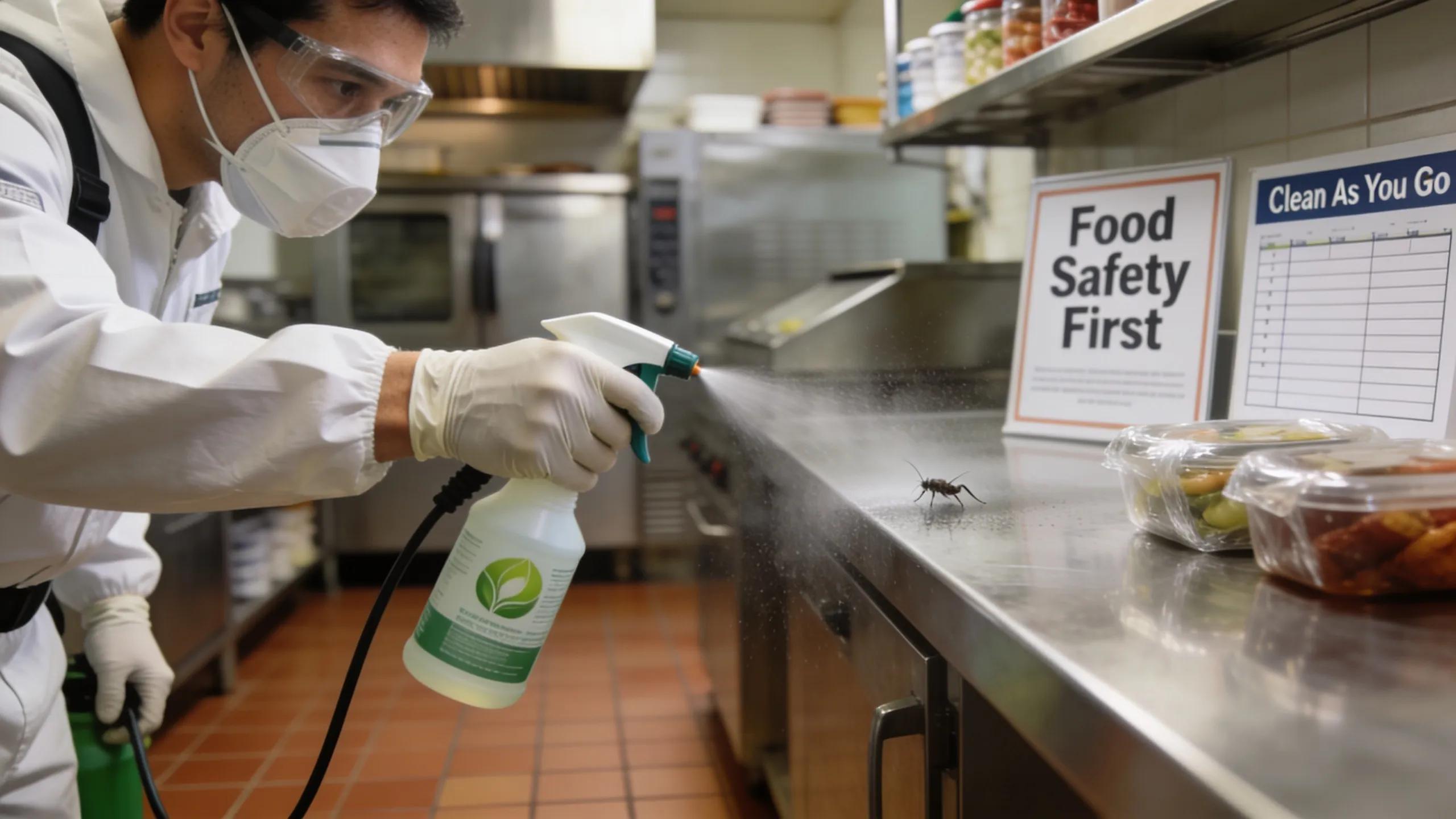
The Food Act 1984 is instrumental in shaping pest control practices for food businesses in Victoria. It mandates that food must be safe to consume and protected from contamination, which includes pest-related issues. Businesses are required to implement pest control measures as part of their food safety programs. Failure to comply with these obligations can result in penalties, including fines and suspension of operations.
The Act ensures that food businesses recognise the severity of pest issues and take preventive actions, reinforcing the importance of pest management in maintaining hygienic environments. Overall, it serves as a framework for establishing effective pest control practices that safeguard public health.
How Is Commercial Pest Inspection Conducted for Melbourne Businesses?
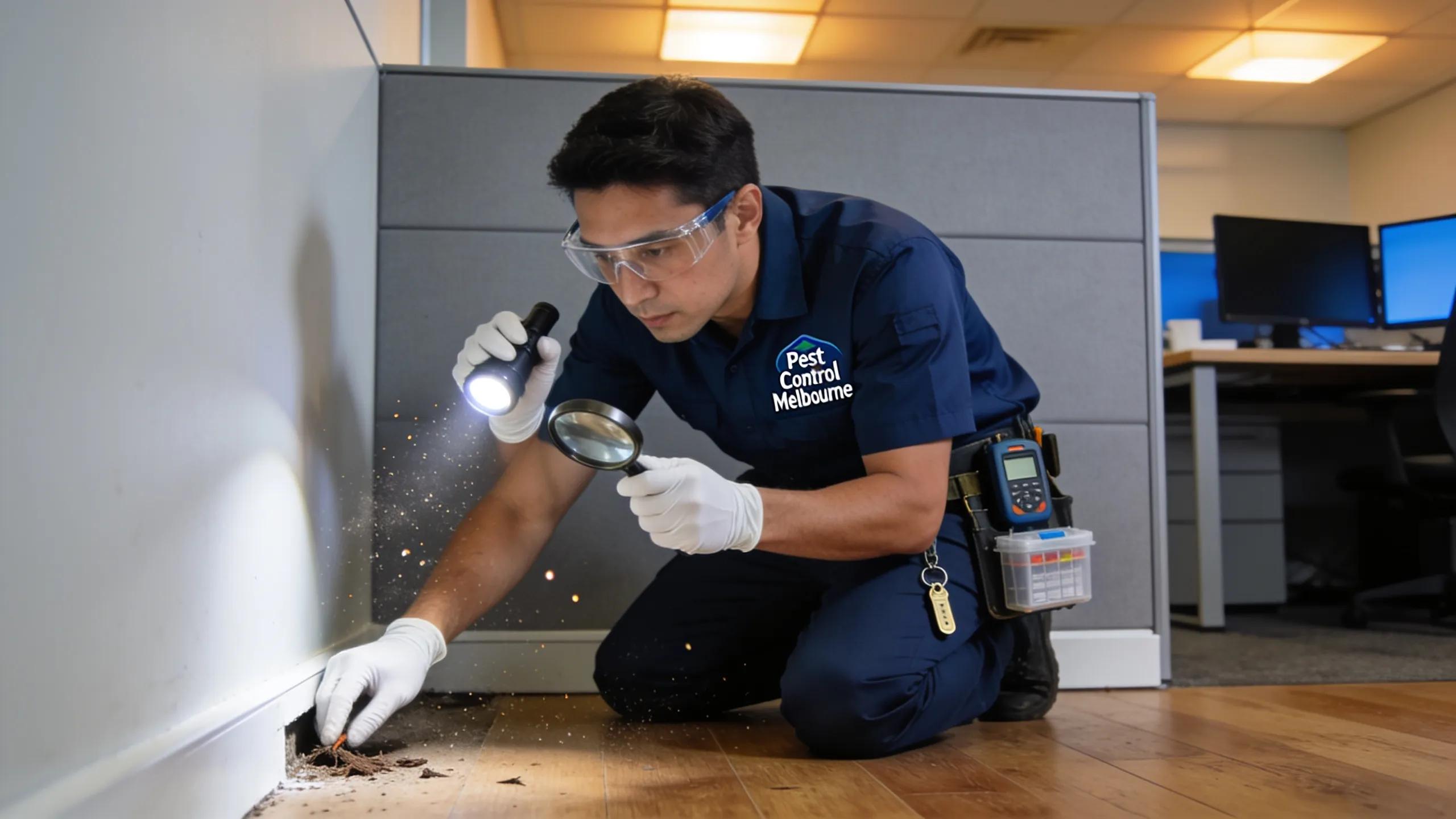
The commercial pest inspection process is critical in identifying and mitigating pest threats to businesses in Melbourne. Conducted by licensed pest control professionals, inspections assess facilities for signs of pest activity and potential vulnerabilities. The process can include visual inspections, monitoring traps, and utilizing technology to identify pest presence.
The inspection not only aims to ascertain current infestation levels but also evaluates the effectiveness of existing pest management strategies. After the inspection, a comprehensive report is provided, detailing findings and suggesting remedial actions.
What Are the Steps Involved in a Commercial Pest Inspection Process?
The commercial pest inspection process generally follows specific steps to ensure thoroughness and effectiveness:
- Preparation: Businesses should prepare by decluttering areas to provide easy access for inspection.
- Visual Inspection: Licensed technicians conduct a visual review of the premises, focusing on potential entry points, food sources, and nesting sites for pests.
- Reporting Findings: After the inspection, a detailed report is provided, outlining findings, recommended treatments, and follow-up actions.
These steps ensure businesses maintain awareness of pest-related issues and can implement effective measures promptly.
Victorian Regulatory Compliance Standards for MelBuzz™ Pest Control
To uphold food safety and workplace hygiene standards, businesses in Melbourne must engage pest control services that adhere to regulatory demands. Ensuring compliance requires a multifaceted approach, incorporating both preventive and reactive measures tailored to specific business needs.
What Environmentally Responsible Treatments Does MelBuzz Offer for Compliance?
MelBuzz Pest Control specializes in eco-friendly pest management solutions designed for commercial entities. Their services prioritise the use of non-toxic, environmentally responsible treatments to meet compliance criteria without compromising the well-being of staff and customers.
Offering integrated pest management approaches, MelBuzz combines thorough inspections, monitoring, and effective treatments to manage and prevent pest issues. Documentation and compliance reporting from their services ensure businesses can demonstrate adherence to health and safety regulations effectively.
How Can Melbourne Businesses Maintain Continuous Pest Compliance and Risk Management?
Maintaining continuous pest compliance involves regular monitoring, assessments, and updates to pest management strategies. It is crucial for businesses to schedule ongoing inspections and ensure that their pest control measures remain effective over time.
Key components include:
- Regular Inspections: Frequency of inspections is vital for identifying new pest activity before it escalates.
- Integrated Pest Management (IPM): This strategy emphasises the use of a combination of methods for effective pest control.
- Staff Training: Educating employees about pest prevention practices helps mitigate risks associated with infestations.
Creating a framework for continuous monitoring not only furthers compliance efforts but also enhances overall operational efficiency.
How Often Should Businesses Schedule Pest Control Inspections to Meet Standards?
Businesses should schedule pest control inspections at least quarterly to ensure compliance with health and safety regulations. Factors influencing the frequency of inspections include the type of business, the level of pest activity in the area, and seasonal changes that may affect pest behaviour.
Regular inspections not only help adhere to legal requirements but also protect businesses from potential pest-related damages and closures. Staying proactive with pest management therefore becomes a critical aspect of sustaining operations and maintaining a positive reputation in the market.