9 Powerful Winter Pest Prevention Tips for Melbourne Homes
Winter Can Bring More Than Cold Weather
As temperatures drop across Melbourne, your home can become an attractive place for unwanted pests looking for warmth, food, water and shelter. While some pests may become less noticeable during colder weather, others can move closer to buildings and find their way into roof spaces, wall cavities, kitchens, garages and other sheltered areas.
That is why winter pest prevention should be part of your regular home maintenance routine.
Mice and rats may seek protected indoor environments, while spiders can become more noticeable around sheltered areas. Other pests may remain hidden in wall cavities, roof voids, cupboards, under flooring or around outdoor structures until conditions become more favourable.
The good news is that many pest problems can be reduced by removing the conditions that attract pests in the first place.
In this guide, MelBuzz™ Pest Control shares 9 practical winter pest prevention tips for Melbourne homes, including ways to reduce food and water sources, seal entry points, protect your roof space and identify early warning signs before a small problem becomes a larger infestation.
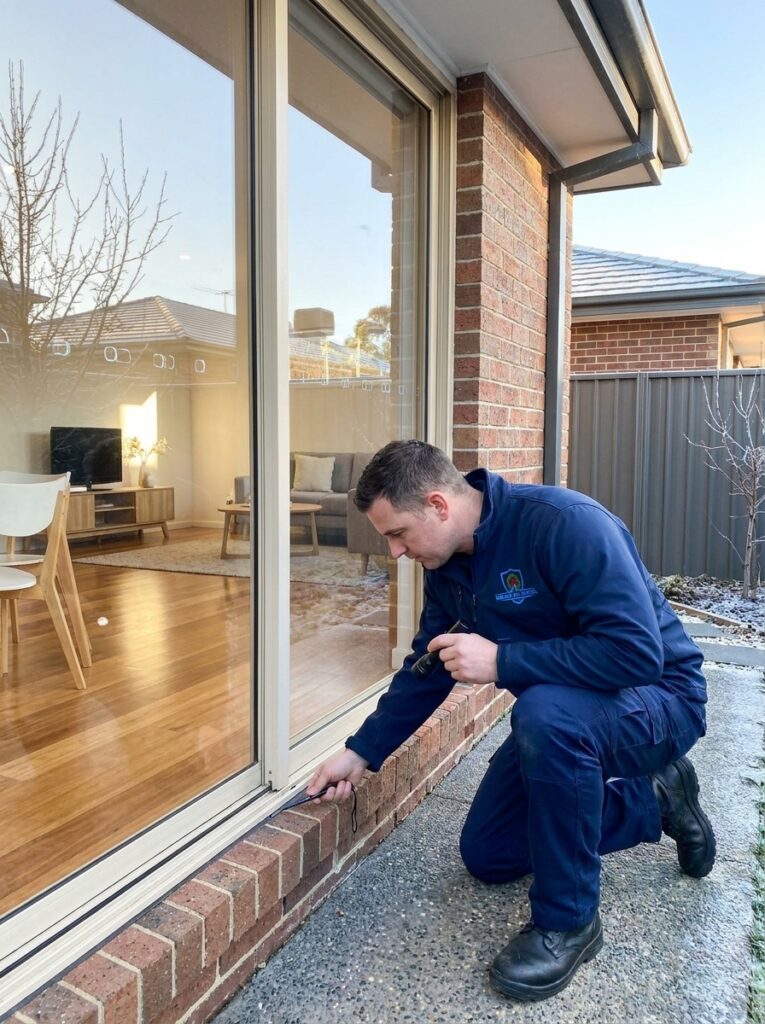
Seal Gaps and Cracks Around Your Home
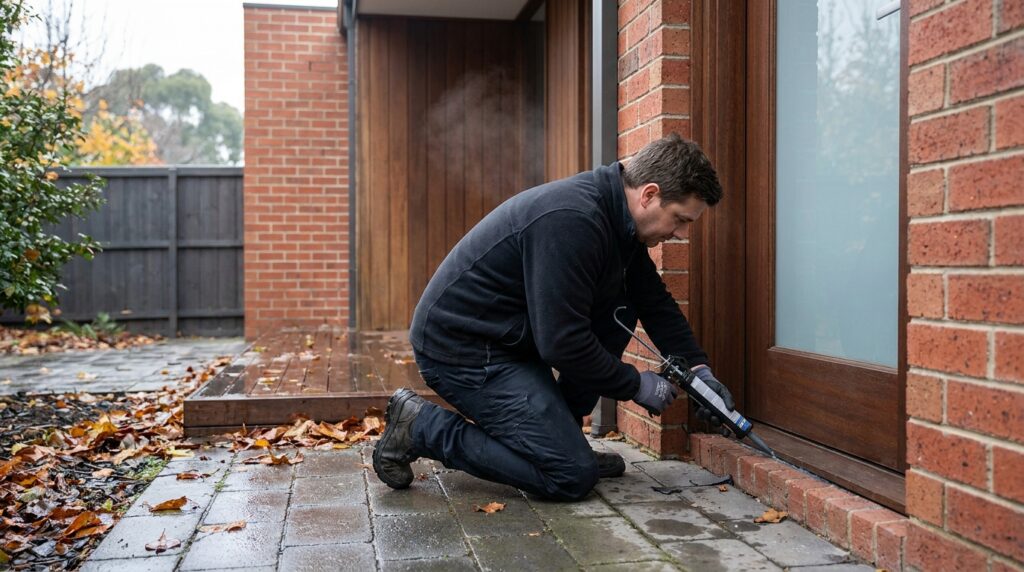
One of the most effective ways to prevent winter pests is to stop them from getting inside.
Small gaps around doors, windows, pipes, vents, roofing materials and wall penetrations can provide potential entry points for insects and rodents. Mice are particularly capable of entering through surprisingly small openings. Victoria’s Department of Health notes that mice can squeeze through gaps as small as approximately 8 mm.
During your winter inspection, check areas such as:
- Gaps underneath external doors
- Cracks around window frames
- Openings around plumbing pipes
- Gaps around electrical penetrations
- Roof and eave areas
- Garage doors
- Vent openings
- Damaged weather stripping
- Cracks in external walls
- Openings around air-conditioning equipment
Use suitable materials to seal gaps where appropriate, and repair damaged screens or door seals.
A well-maintained building envelope does more than improve energy efficiency. It can also make it harder for pests to enter your home.
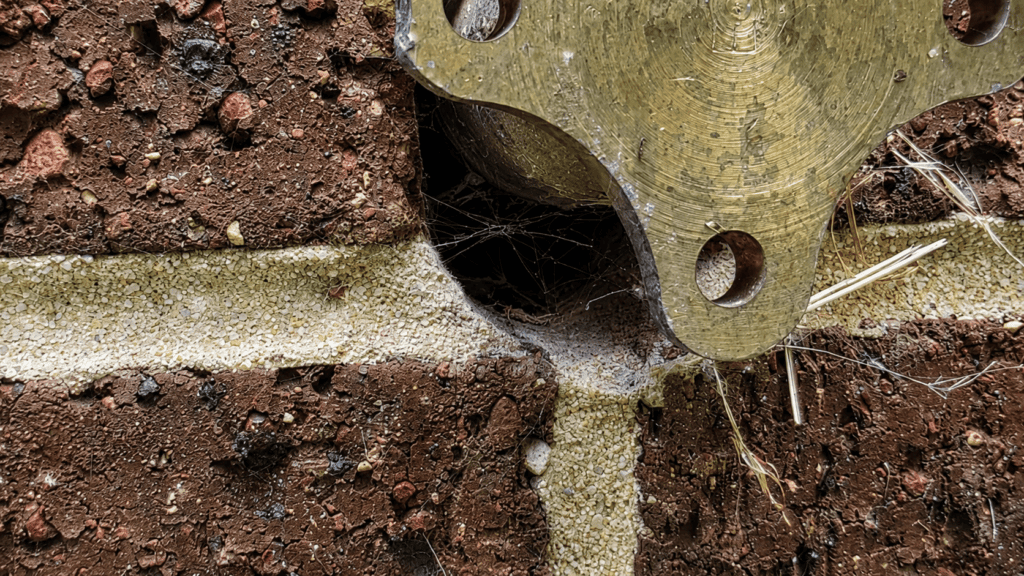
Seal Property Entry Points with MelBuzz™ Pest Control
Keep Food Stored Securely

Pests do not need a large food source to establish themselves.
Food crumbs, open packets, pet food, rubbish and food residue can all create opportunities for pests to feed.
Keep pantry foods inside sealed containers whenever practical, particularly products such as:
- Cereals
- Flour
- Rice
- Pasta
- Pet food
- Dry snacks
- Seeds
- Baking ingredients
Clean food preparation surfaces regularly and avoid leaving food scraps on benches overnight.
Your rubbish bins should also remain closed and be cleaned when necessary.
For businesses such as restaurants, cafés, offices and food-handling premises, food hygiene and waste management are especially important because pest activity can quickly become a hygiene and operational concern.
Victoria’s guidance identifies eliminating food, water and shelter sources as an important part of rodent prevention.
Reduce Moisture and Standing Water
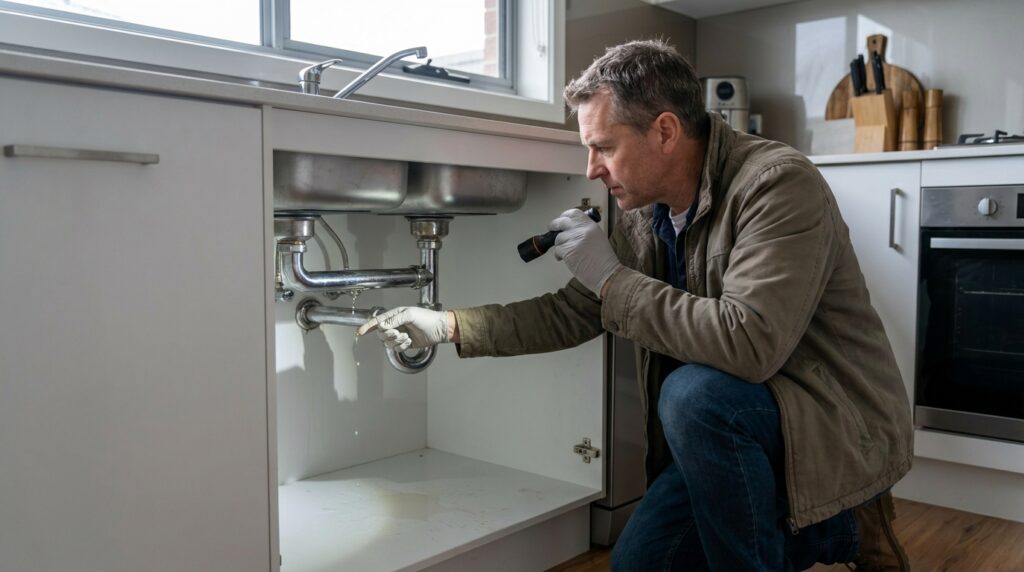
Pests need more than food. Moisture can also make a property more attractive.
Check your home for:
- Leaking taps
- Dripping pipes
- Plumbing leaks
- Blocked gutters
- Poor drainage
- Condensation around windows
- Damp areas under sinks
- Water collecting around outdoor areas
- Leaking outdoor hoses
- Moisture around sheds
Bathrooms, kitchens, laundries and roof spaces deserve particular attention.
If you discover a plumbing leak, fixing the underlying problem is more important than simply drying the visible water.
Moisture problems can also contribute to structural deterioration, which may create additional cracks and hiding areas for pests.
Real MelBuzz™ inspection example: During a property inspection, moisture had become trapped beneath timber positioned close to the building. Once the damp timber was lifted, centipedes were discovered sheltering underneath.
Centipedes generally prefer to avoid people, but some species can bite when handled, trapped or disturbed. This is another example of why reducing moisture and removing sheltered areas around a property can form an important part of pest prevention.
Keep Your Roof Space and Garage Clutter-Free
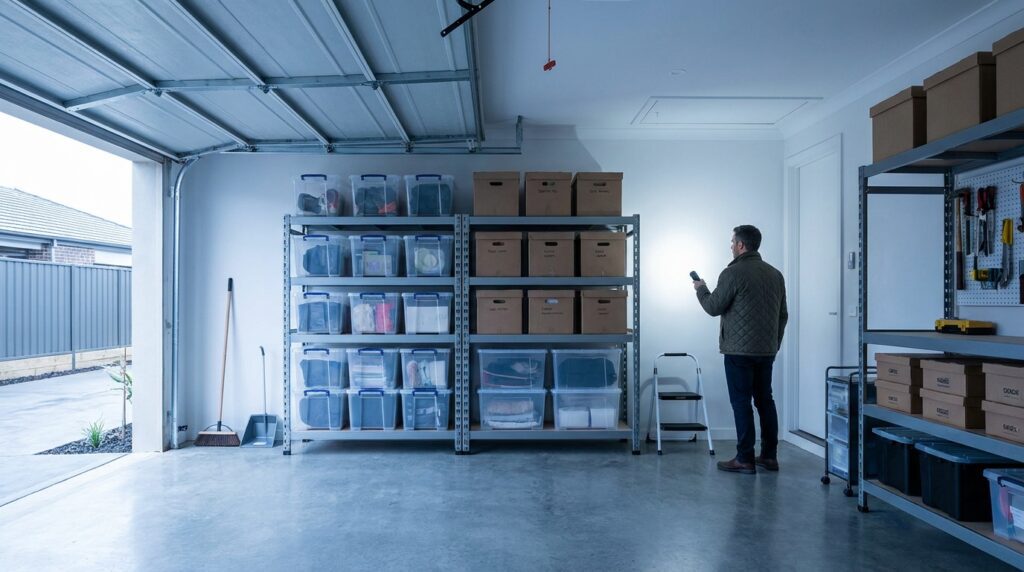
Winter is a good time to inspect storage areas that are rarely disturbed.
Garages, sheds, roof voids and storage rooms can provide excellent shelter for rodents and other pests when they contain piles of cardboard, old furniture, fabric, garden materials or other undisturbed items.
Try to:
- Keep cardboard boxes off the floor where possible
- Remove unnecessary clutter
- Store items in sealed containers
- Keep firewood away from the house
- Maintain clear access around storage areas
- Inspect rarely used corners regularly
Rodent nests may be hidden in protected areas and can be constructed from materials such as paper, cardboard, fabric and other available materials.
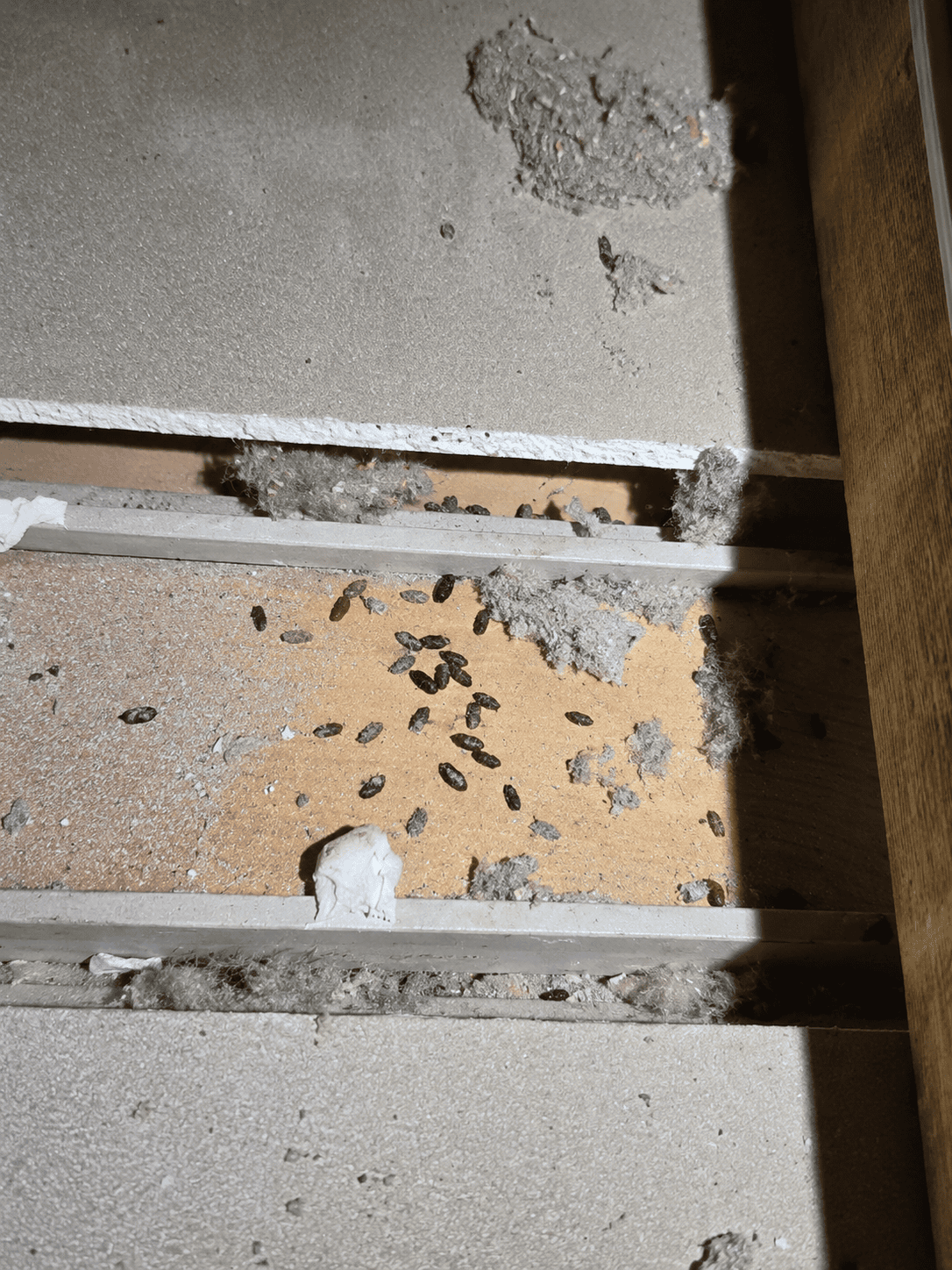
If you discover shredded material, droppings, gnaw marks or unusual smells, do not simply assume it is harmless storage debris.
It may be an early indication of pest activity.
Rodent problems are often easier to manage when detected early.
Instead of waiting until you see a mouse running across the kitchen floor, look for smaller warning signs.
Common indicators can include:
- Small droppings
- Gnaw marks
- Holes or damaged materials
- Scratching noises
- Nesting materials
- Grease or rub marks
- Unusual odours
- Damaged food packaging
Check behind appliances, inside cupboards, around the garage, near stored food and in roof or wall areas where accessible.
Victoria’s Department of Health recommends inspecting premises for signs such as droppings, holes, smears and gnawing or feeding damage when identifying rodent activity.
If you find evidence of rodents, avoid relying only on removing one visible mouse. The underlying access points, food sources and nesting areas should also be considered.
Trim Vegetation Away From Your Home

Your garden can unintentionally create a bridge between pests and your property.
Overgrown plants, dense vegetation, piles of leaves and stored garden materials close to walls can provide shelter and make pest movement easier.
During winter maintenance:
- Trim vegetation near walls
- Remove accumulated leaf litter
- Keep branches away from roof areas
- Clear debris around sheds
- Avoid storing timber directly against the house
- Keep outdoor areas reasonably tidy
This is particularly useful around entry points, windows, garages and external doors.
A clean perimeter makes it easier to spot pest activity and reduces potential hiding places.
Check Your Home for Spider Activity
Melbourne homes can experience spider activity around gardens, garages, sheds, roof spaces and other sheltered areas.
Instead of focusing only on killing individual spiders, prevention should also consider why spiders are present.
Check:
- Outdoor lighting areas
- Window frames
- Garage corners
- Garden sheds
- Eaves
- Roof void access points
- Dense vegetation
- Web activity around external walls
Reducing insect activity around the property can also help because spiders commonly occupy areas where suitable prey is available.
Victoria’s guidance notes that preventing spiders from entering the home is an important part of spider control.
If you regularly discover spiders or webs despite cleaning and maintenance, a professional inspection can help determine where activity is concentrated.
If you regularly discover spiders or webs despite cleaning and maintenance, professional spider control in Melbourne can help identify where activity is concentrated.

Winter pest prevention is not only about insects that you can see.
Termites can cause serious structural damage while remaining hidden from view.
That makes preventative termite inspections particularly important for property owners who want to identify potential risks before significant damage occurs.
Look around areas such as:
- Timber structures
- Subfloor areas
- Garden edging
- Retaining walls
- Moist areas near foundations
- Stored timber
- Timber-to-ground contact points
- Areas with drainage problems
Do not rely on visible termite activity as the only indication of a problem.
Termites are included among Victoria’s common pests, and effective pest control depends on correctly identifying the pest and understanding its lifecycle and habitat.
If you own an established home, investment property or commercial building, ask a qualified pest professional whether a termite inspection or monitoring program is appropriate for your property.

DIY prevention is valuable, but it cannot always identify hidden pest activity.
A professional inspection can help determine:
- What pest species are present
- Where activity is occurring
- How pests may be entering
- Whether there are signs of nesting or breeding
- Which areas require treatment
- What preventative measures may reduce future activity
Correct identification matters because different pests require different control approaches. Victoria’s Department of Health specifically highlights correct species identification, pest lifecycle and habitat as important components of effective pest control.
If professional treatment is required, Victorian guidance recommends using a licensed pest control operator.
What Are the Most Common Winter Pest Problems in Melbourne?
Different properties experience different pest pressures, but several pest groups can become particularly noticeable during colder months.
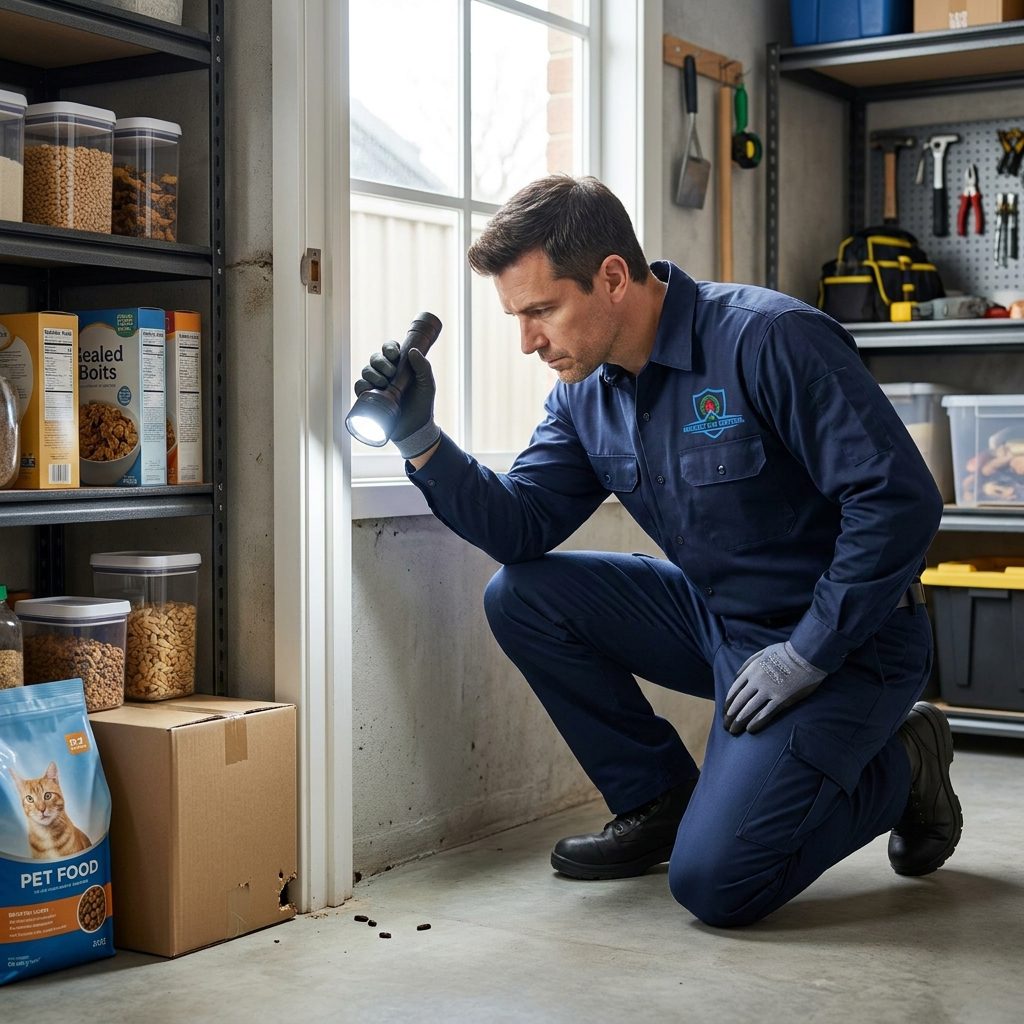
Rodents may look for food, shelter and protected areas around buildings. Roof spaces, wall cavities, garages and kitchens can provide suitable environments.
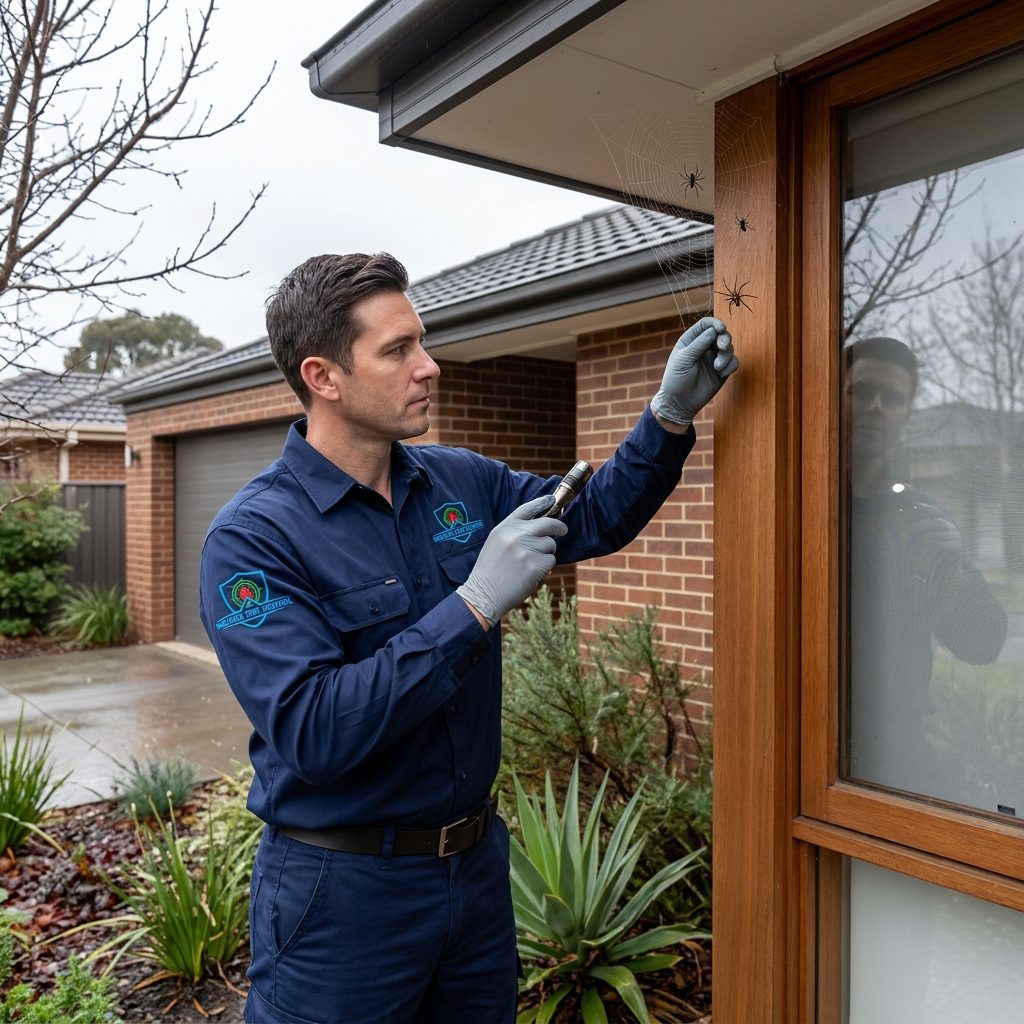
Spiders
Spiders may be noticed around sheltered outdoor areas, garages, sheds and building entry points.
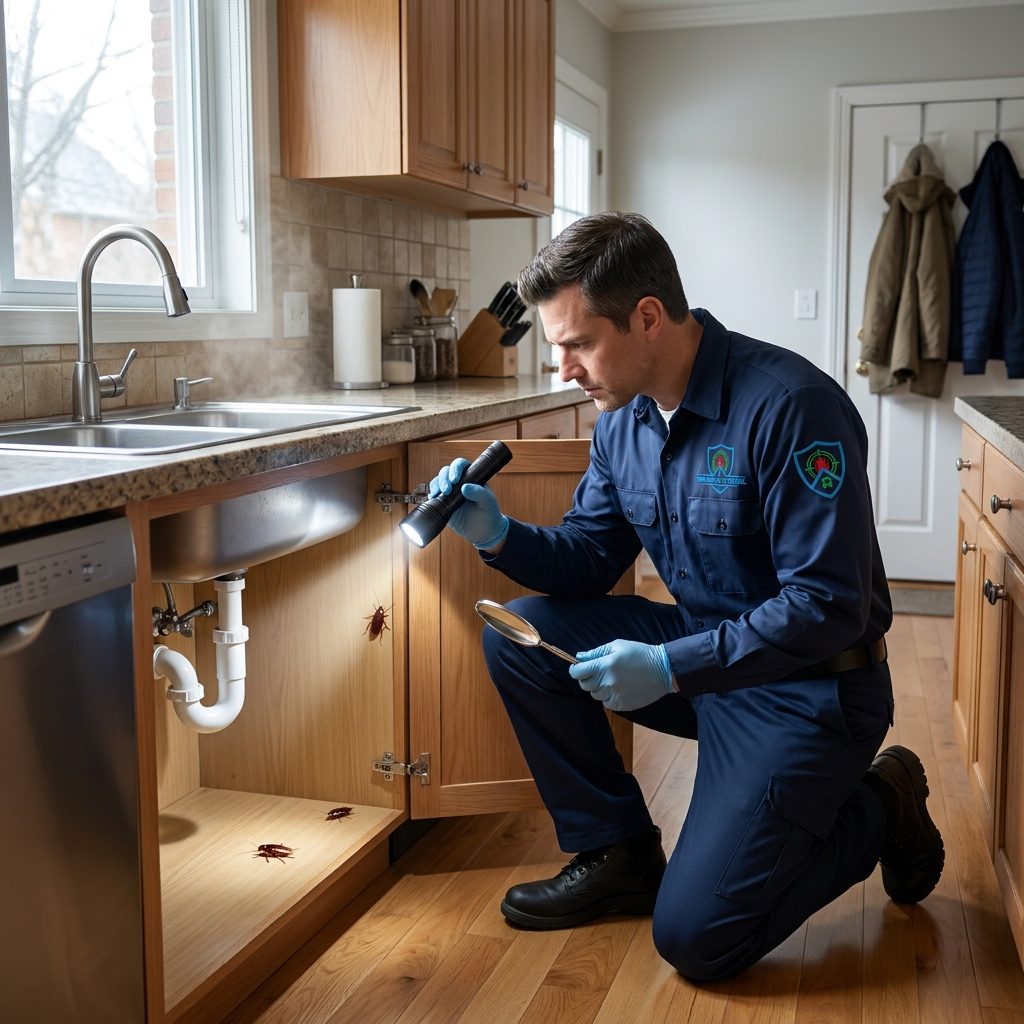
Cockroaches
Warm, humid areas inside buildings can provide suitable conditions for cockroaches, particularly around kitchens, bathrooms and plumbing areas.
Fleas
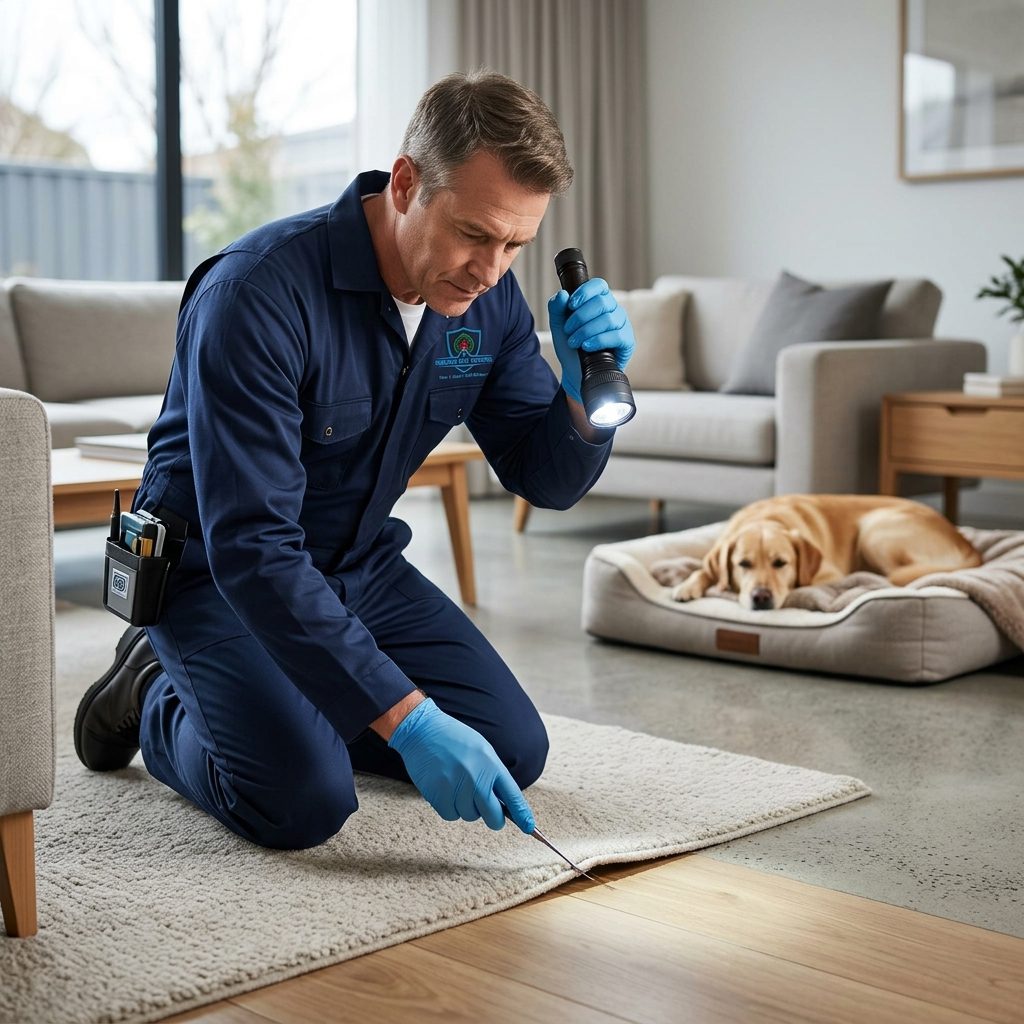
Flea problems can involve pets, indoor areas and outdoor environments. Flea control can require attention to the pest's complete lifecycle rather than simply treating visible adult fleas.
Termites
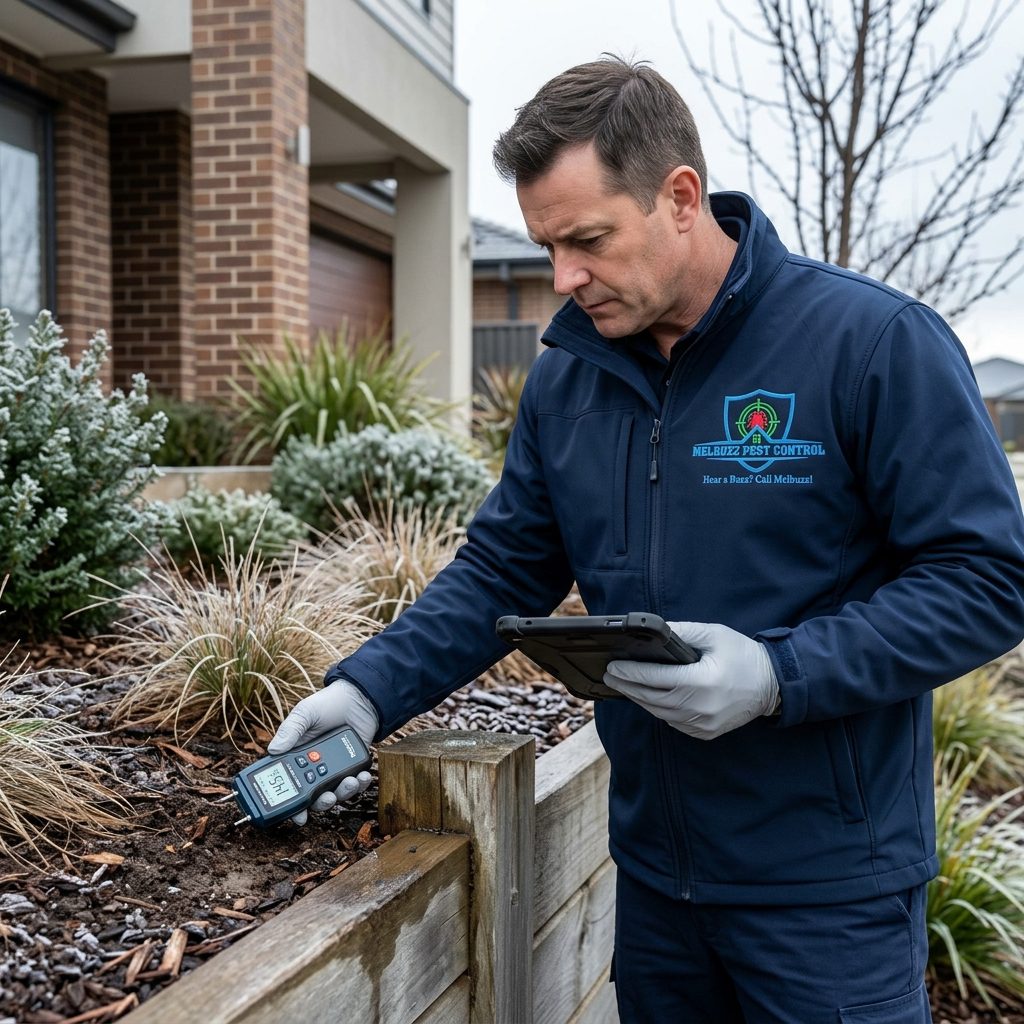
Termites can remain hidden and cause structural damage without immediately producing obvious signs.
The exact pest pressure will vary depending on the property’s location, construction, surrounding environment and maintenance conditions.
Why Winter Is a Good Time for Pest Prevention
One of the biggest advantages of preventative pest management is that you do not have to wait for an obvious infestation.
Winter maintenance gives homeowners an opportunity to:
- Inspect entry points
- Repair cracks and gaps
- Reduce clutter
- Check roof spaces
- Improve drainage
- Remove garden debris
- Inspect for rodent signs
- Review termite risks
- Identify recurring pest activity
The goal is not simply to eliminate pests after they appear.
The goal is to make your property less attractive and less accessible to pests in the first place.

When Should You Call a Pest Control Professional?
Consider arranging a professional inspection if you notice:
- Repeated pest sightings
- Rodent droppings
- Scratching sounds
- Chewed materials
- Persistent spider webs
- Flea activity
- Cockroach activity
- Termite signs
- Recurring pest problems despite cleaning
- Pest activity coming from inaccessible areas
Do not attempt to identify an unknown pest solely from appearance if you are unsure.
A professional can assess the property, identify the likely pest and recommend an appropriate treatment or prevention strategy.
Protect Your Melbourne Property This Winter With MelBuzz™
MelBuzz™ Pest Control provides pest management services for homes and businesses across Melbourne Metro and surrounding South East suburbs.
The company’s current services include general pest control, rodent and mice control, spider control, ant control, flea control and termite management. MelBuzz™ also highlights detailed inspections, customised treatment plans and prevention as part of its service approach.
For homeowners, the focus should not simply be on treating the pest you can see.
A better approach is to understand why pests are appearing, where they are entering and what conditions are allowing them to remain active.
If you are noticing signs of pests around your Melbourne property this winter, MelBuzz™ can assess the situation and recommend a suitable treatment approach.
Hear a buzz, call MelBuzz™.