By John Doe, MelBuzz™ Pest Control
Pest control is essential for maintaining healthy and safe environments in both residential and commercial settings. With the diverse range of pests prevalent in Melbourne, understanding effective control methods is crucial for property owners. This comprehensive guide to “general pest control in Melbourne” will equip you with the information necessary to recognise, prevent, and treat pest infestations, ensuring your living or working space remains secure. By addressing the unique challenges each type of property faces, you can implement tailored solutions that prioritise safety and efficiency. This article will cover strategies for residential and commercial protection, methods for pest identification, prevention measures, available treatment options, and the importance of follow-up and maintenance.
Comprehensive Guide to General Pest Control in Melbourne
General pest control encompasses a variety of strategies designed to manage unwanted organisms effectively. Understanding the importance of “integrated pest management” is vital, particularly as common pests such as rodents, insects, and termites pose risks to property and health. Implementing IPM practices not only minimises harm to the environment but also focuses on sustainable solutions for pest management. Safety during pest control procedures is paramount, ensuring both the health of residents and the integrity of the environment remains intact.
Professional research highlights the success of non-chemical approaches in maintaining a healthy, pest-free home environment.
Effective Integrated Pest Management Strategies for Urban Homes
Integrated pest management (IPM) relies on nonchemical tools–cleaning of food residues, removal of potential nutrients, and sealing cracks and crevices. Least toxic pesticides are used sparingly.
Integrated pest management in an urban community: a successful partnership for prevention, M Rivera, 2003
1. Residential and Commercial Protection Strategies
Tailoring pest control approaches for residential and commercial properties is critical for effective management. Each setting presents unique challenges, such as varying pest types and levels of infestation.
- Integrated Pest Management Practices: Combining multiple control methods ensures a more effective strategy.
- Customised Treatment Plans: Developing treatments based on specific pest issues and property types greatly enhances results.
- Annual Pest Control Recommendations: Regular inspections and treatments are essential for long-term pest prevention, particularly in commercial settings vulnerable to infestations.
These strategies form the foundation of an effective pest control plan for both home and business environments, helping mitigate the risk of infestations.
2. Methods for Pest Identification

Accurate identification of pests is integral to implementing successful control measures. Various techniques can streamline this process.
- Visual Inspection Methods: Checking for signs of pest activity, such as droppings or damage, can provide immediate insights.
- Common Pest Types and Characteristics: Familiarity with local pest species enables quicker identification and response.
- Use of Advanced Detection Tools: Technologies such as moisture meters and infrared cameras can reveal hidden infestations and hard-to-find pest locations.
Understanding these identification methods allows property owners to swiftly recognise and address pest issues before they escalate.
3. Prevention Measures
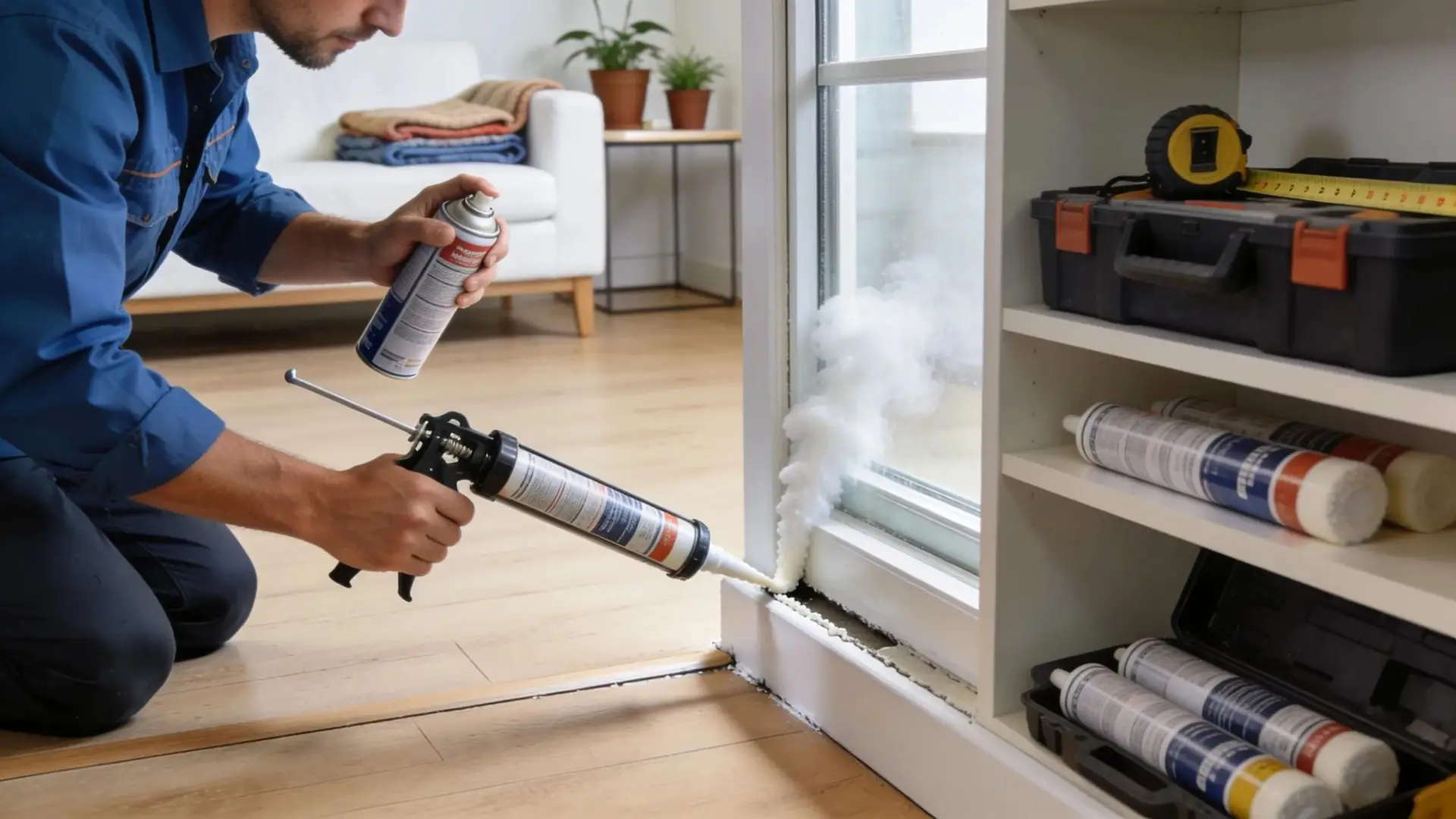
Implementing preventative measures can significantly reduce the risk of pest infestations. Essential steps include:
- Sealing Entry Points: Identifying and closing off potential access points can deter pests from entering properties.
- Sanitation Practices: Keeping living and commercial areas clean helps eliminate food sources and breeding grounds for pests.
- Regular Property Monitoring: Ongoing inspections can aid in the early identification of pest issues, allowing for prompt intervention.
By proactively addressing factors that attract pests, property owners can maintain a pest-free environment.
Strategic building maintenance is a critical component of long-term prevention that avoids unnecessary costs and health risks.
Pest Prevention by Design: Building Maintenance and Safety
Lack of easy inspection options can result in increased pest control costs over the life of the building, higher use of pesticides, and protecting the health of building inhabitants. Pest prevention by design, 2012
4. Available Treatment Options
Understanding the variety of treatment options available is crucial for effective pest management. Different methods target specific pests and infestations.
These treatment options offer various approaches to effectively manage pest populations, ensuring all property types can find suitable solutions.
5. Follow-Up and Maintenance
Follow-up services are critical to ensuring long-term pest control success. Regular service checks can help maintain the integrity of pest management strategies. Key elements include:
- Ongoing Pest Prevention Strategies: Implementing treatments over time ensures continuous protection against pest reinfestation.
- Scheduled Inspections: Routine inspections can catch potential issues before they escalate, leading to more manageable solutions.
- Customer Support Services: Reliable support from pest control professionals can help answer queries and provide appropriate service adjustments.
For effective pest control, combining preventive measures with professional follow-up can lead to the best long-term results.
Maintaining a pest-free environment is vital for the health and safety of your home or business. For effective treatment solutions tailored to your specific needs, MelBuzz Pest Control offers a range of services to address both residential and commercial pest management in Melbourne. With expertise in integrated pest management practices, they ensure your property remains secure against various “pest threats”. To learn more or to schedule a service, contact MelBuzz at 1300 097 983 or email info@melbuzzpestcontrol.com.au.